Category: Morocco Travel Guides | Reading Time: 15 Minutes
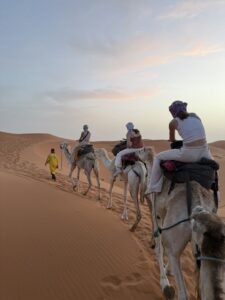
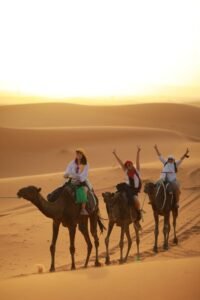
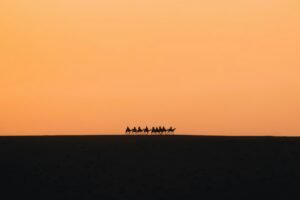
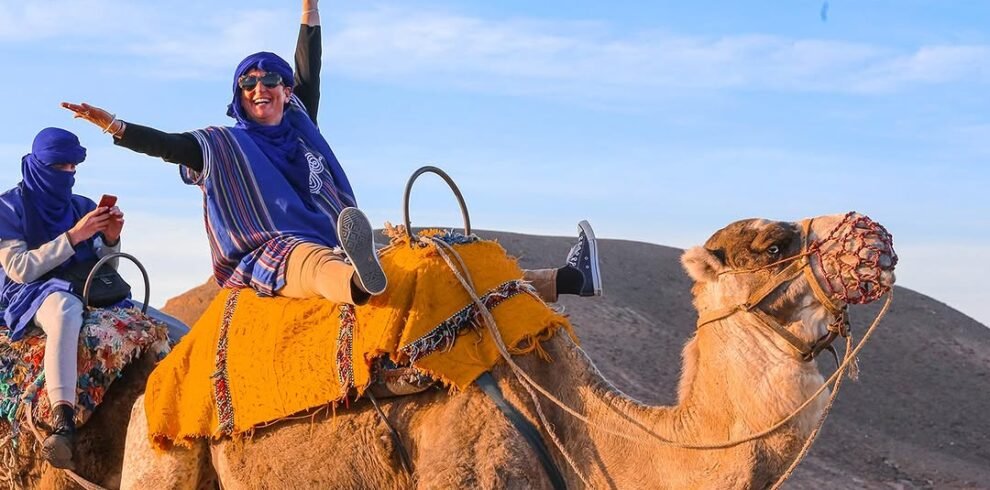
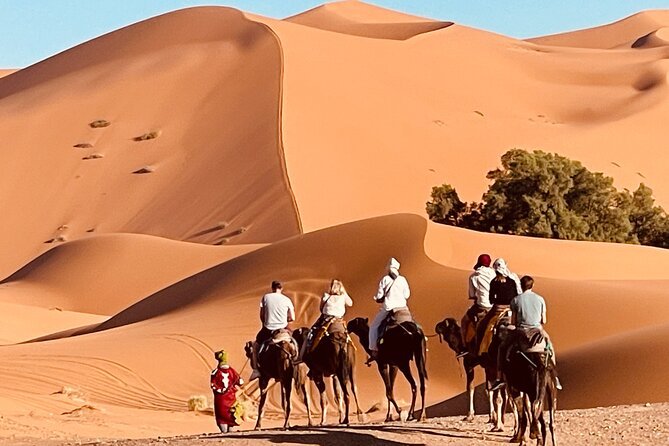
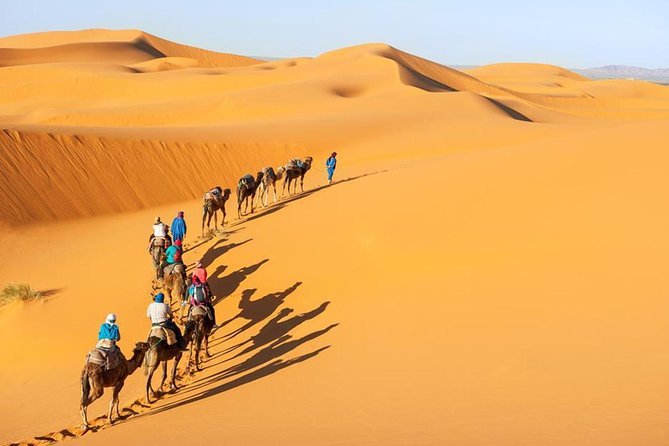
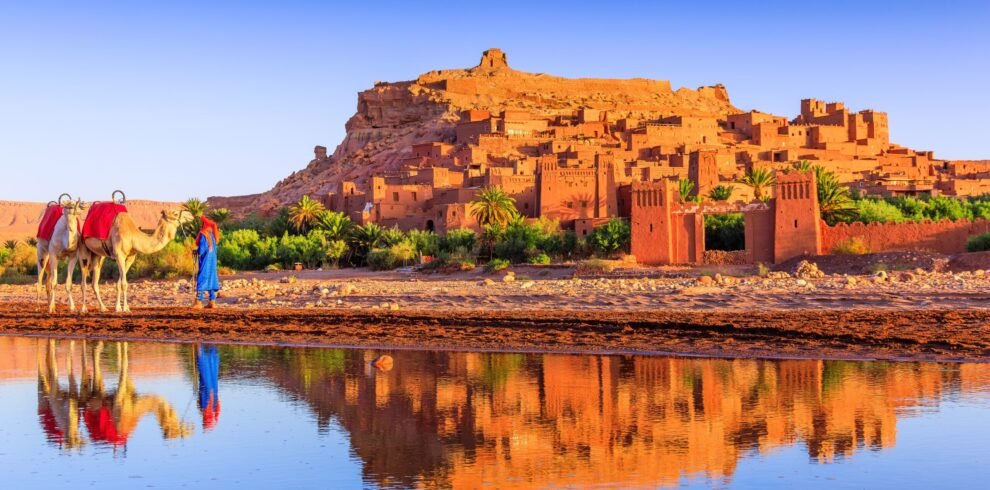
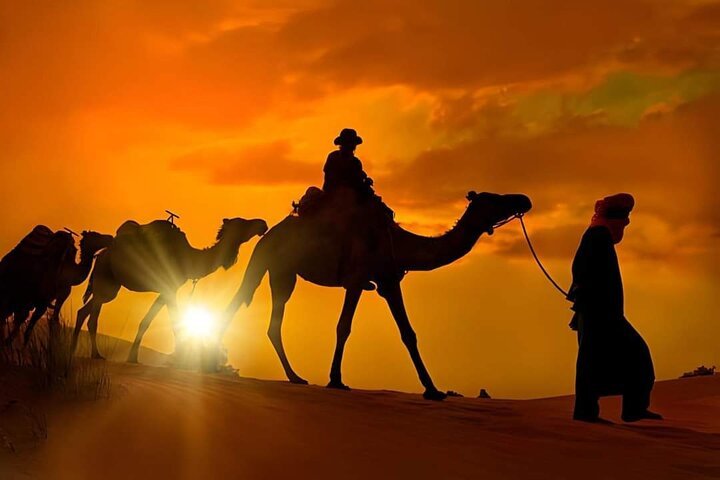
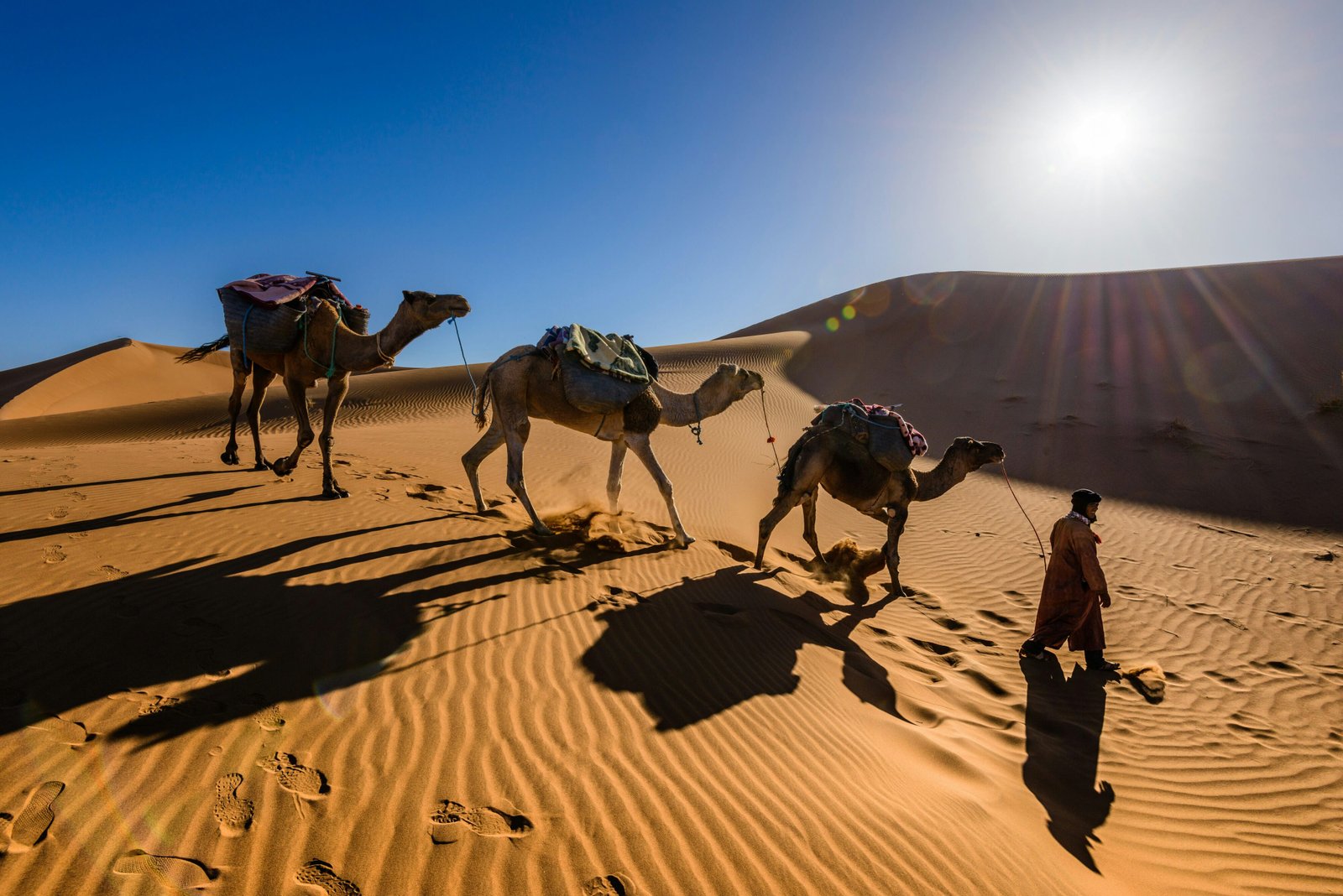
It is the image that launched a million Pinterest boards: a caravan of camels walking silently across a ridge of golden sand as the sun sets, casting long, dramatic shadows.
For travelers visiting Morocco, a Sahara Desert tour is not just an excursion; it is the main event. It is the reason many people book the flight in the first place.
But the Sahara is massive—it covers 9 million square kilometers. “Going to the desert” isn’t as simple as driving to the beach. You have choices to make. Which set of dunes is best? Is a 2-day trip enough? What is the bathroom situation in a desert camp?
If you are overwhelmed by the options, take a deep breath. This is your Ultimate Guide to planning a Sahara Desert tour, covering every logistical detail you need to know to book with confidence.
1. The Big Choice: Which Desert to Visit?
The most common misconception is that all “desert tours” go to the same place. They don’t. In Morocco, there are three main destinations. Choosing the wrong one is the #1 cause of traveler disappointment.
Option A: Erg Chebbi (Merzouga) – The Crowd Favorite
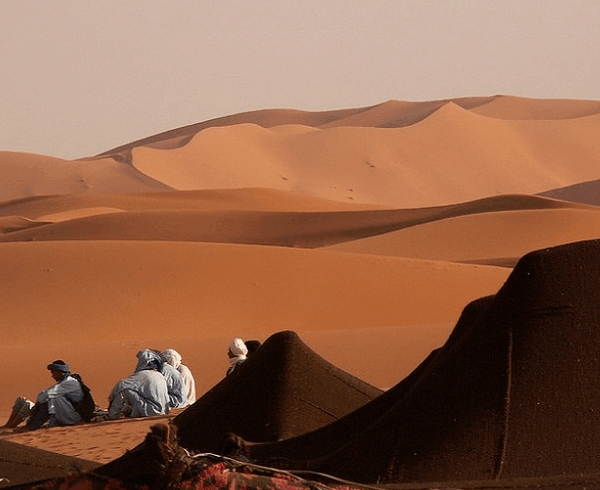
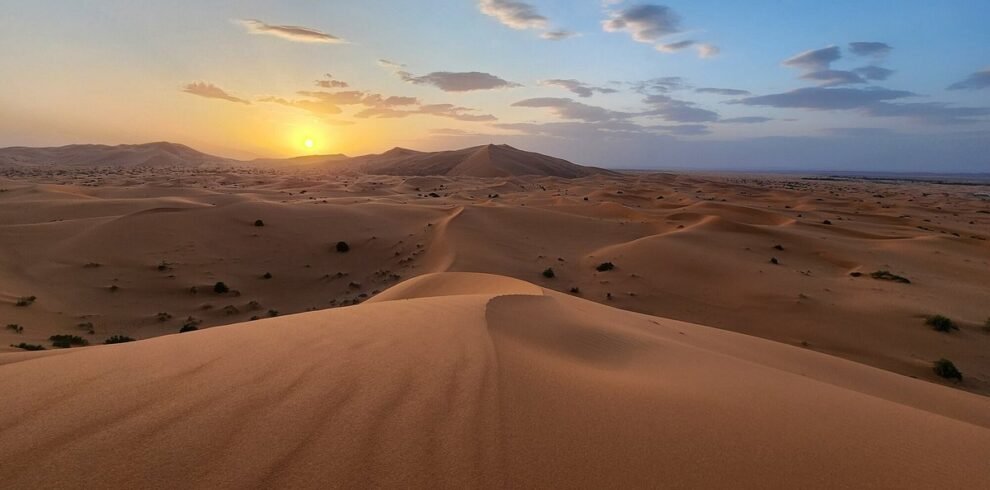
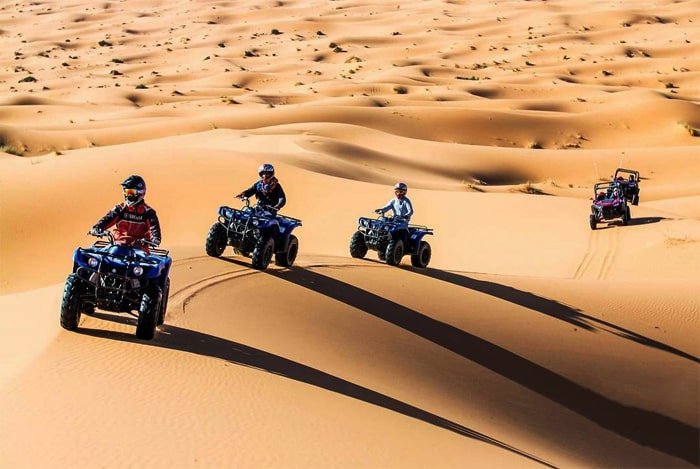
- The Landscape: Massive, classic orange sand dunes (up to 150m high). This is the postcard view.
- The Journey: Accessible by paved road. 9 hours from Marrakech / 7 hours from Fes.
- Best For: First-timers who want the “real” dune experience with comfortable amenities (luxury camps).
Option B: Erg Chigaga (M’Hamid) – The Wild One
- The Landscape: Rust-colored, wild, and spread out.
- The Journey: Harder to reach. Requires 2 hours of off-road driving in a 4×4 from the nearest town (Zagora/M’Hamid).
- Best For: Adventurers who hate crowds and want a rugged, isolated experience.
Option C: Zagora / Agafay – The “Lite” Versions
- Zagora: A rocky desert with small dunes. Good for 2-day trips, but don’t expect giant waves of sand.
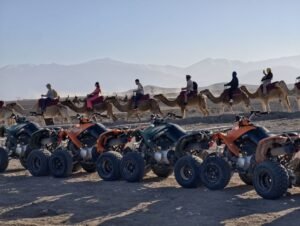
- Agafay: A stone desert near Marrakech. No sand dunes, but amazing for luxury dining and sunset views if you don’t have time to travel south.
2. Itineraries: How Many Days Do You Need?
A Sahara Desert tour is a road trip. The dunes are located on the far side of the Atlas Mountains, near the Algerian border.
- The 3-Day Rule: If you are going to Merzouga (Erg Chebbi), you need a minimum of 3 days.
- Day 1: Drive Marrakech to Dades Valley (Sleep).
- Day 2: Drive to Merzouga (Sleep in Camp).
- Day 3: Drive back to Marrakech (or on to Fes).
- The 2-Day Trap: You will see tours offering “2-Day Zagora” trips. These are fine, but realize you will not see big dunes. If you see a “2-Day Merzouga” offer, avoid it. It involves 18+ hours of driving for barely an hour on a camel. It is exhausting.
- The 4-Day Luxury: If you can spare 4 days, do it. You can stay two nights in the desert, allowing you to actually relax, go sandboarding, and visit nomadic families without rushing.
3. Accommodation: Tent vs. Glamping
This is the question that determines your budget. On a Sahara Desert tour, “camping” has two very different meanings.
Standard Bivouac (Budget)
- The Tent: Black nomadic wool tent.
- The Bed: Proper mattress on a frame with blankets.
- The Bathroom: Shared. You usually have to walk outside to a communal block for toilets and showers.
- Verdict: Authentic and fun, but basic.
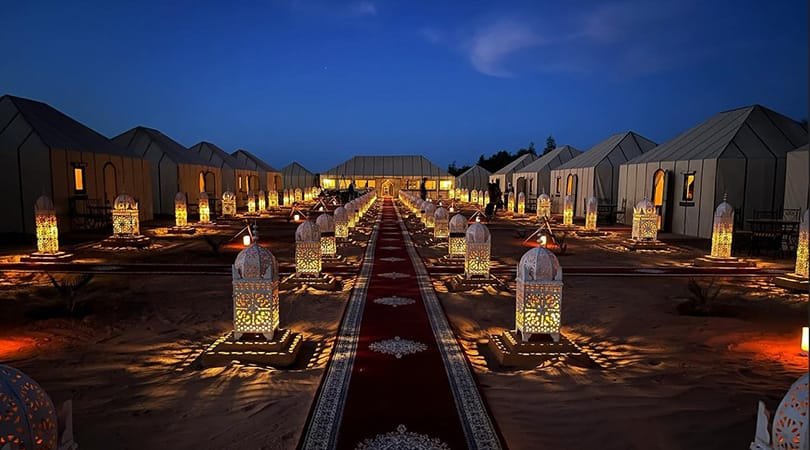
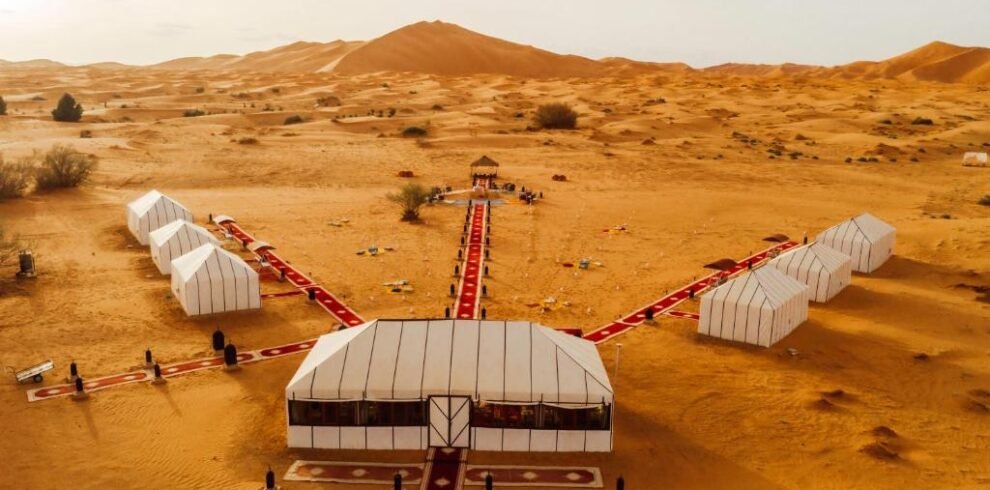
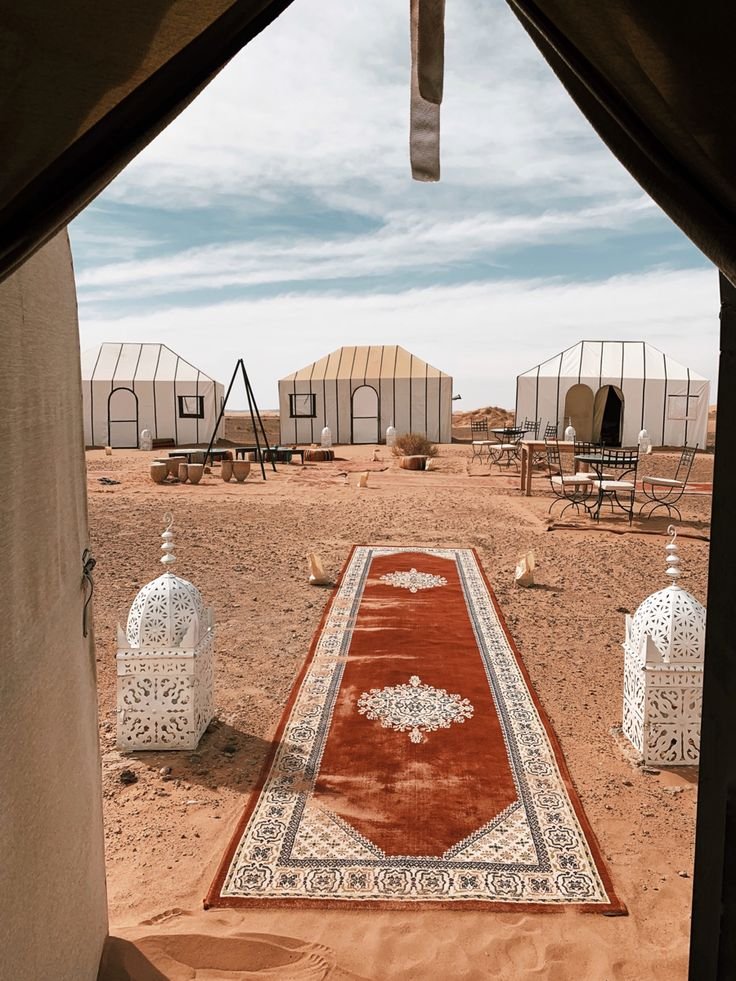
Luxury Camp (Glamping)
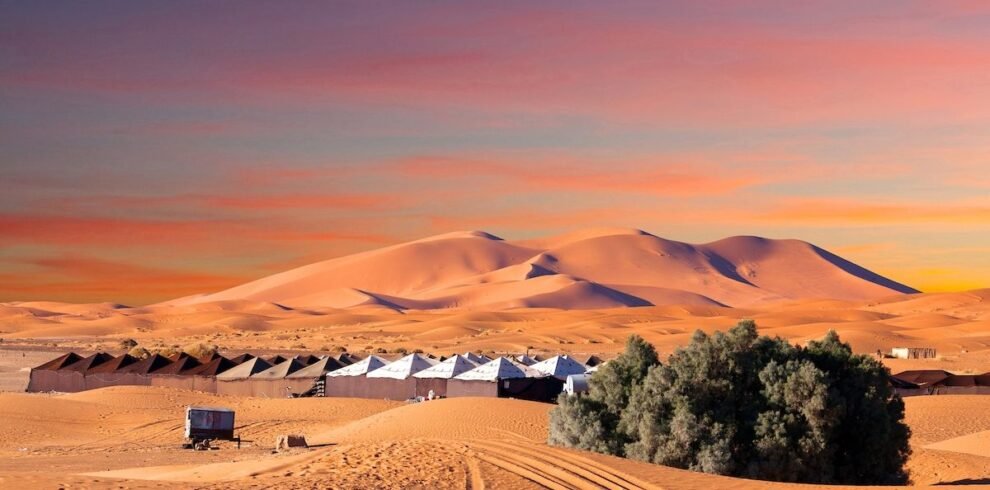
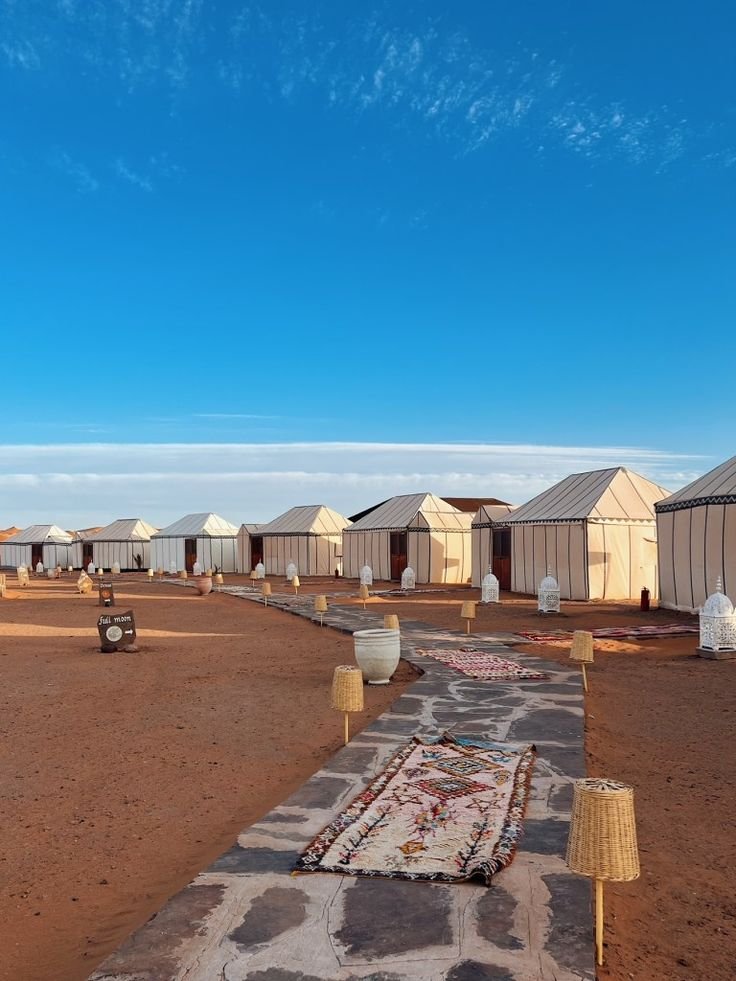
- The Tent: Large white canvas suite with rugs and electricity.
- The Bathroom: En-suite. You have a flush toilet, sink, and hot shower inside your tent.
- Verdict: Highly recommended. After a long day of driving and sand, having a private hot shower is a game-changer.
4. Shared Group vs. Private: Which is Better?
Shared Group Tours
- Vehicle: Minibus (Mercedes Sprinter) with up to 17 people.
- Pros: Cheap (€80–€150). Good for solo travelers to meet friends.
- Cons: Fixed schedule. You stop at “tourist trap” shops. AC can be weak. The trip takes longer.
Private Tours
- Vehicle: 4×4 (Toyota Land Cruiser) with a dedicated driver.
- Pros: Total freedom. Stop for photos whenever you want. Skip the carpet shops. Go at your own pace.
- Cons: More expensive (€250–€500 + pp).
- Our Advice: If you can afford it, go private. The drive is long, and comfort is key.
5. The Packing List: What to Bring to the Dunes
You don’t need camping gear, but you do need the right clothes.
- A “Desert Bag”: Leave your big suitcase in the transfer car. Pack a backpack for the camel ride.
- Layers: The desert has extreme temperature swings. It can be 25°C (77°F) at noon and 5°C (40°F) at midnight. Bring a warm jacket!
- Scarf/Shemagh: Essential for protecting your face from sand during the camel ride. Buy one locally.
- Wet Wipes & Hand Sanitizer: Water is precious.
- Power Bank: Solar power in camps can be slow.
- Sunscreen & Sunglasses: The sun reflection on the sand is intense.
6. Safety & Ethics
- Is it safe? Yes. The route from Marrakech/Fes to the desert is very safe. Police checkpoints are common to ensure tourist safety.
- Animal Welfare: Camels are strong, but they shouldn’t be overloaded. A responsible Sahara Desert tour operator treats their animals well. If a camel looks sick or injured, refuse to ride.
- Solo Female Travelers: Morocco is generally safe, but you may receive unwanted attention. Dress modestly (cover shoulders and knees) when in rural villages. On a tour, you are with a guide/driver, which adds a huge layer of safety.
Final Thoughts: Is It Worth the Drive Sahara Desert tour?
We are often asked: “Is it worth driving 10 hours just to see sand?”
The answer is always yes.
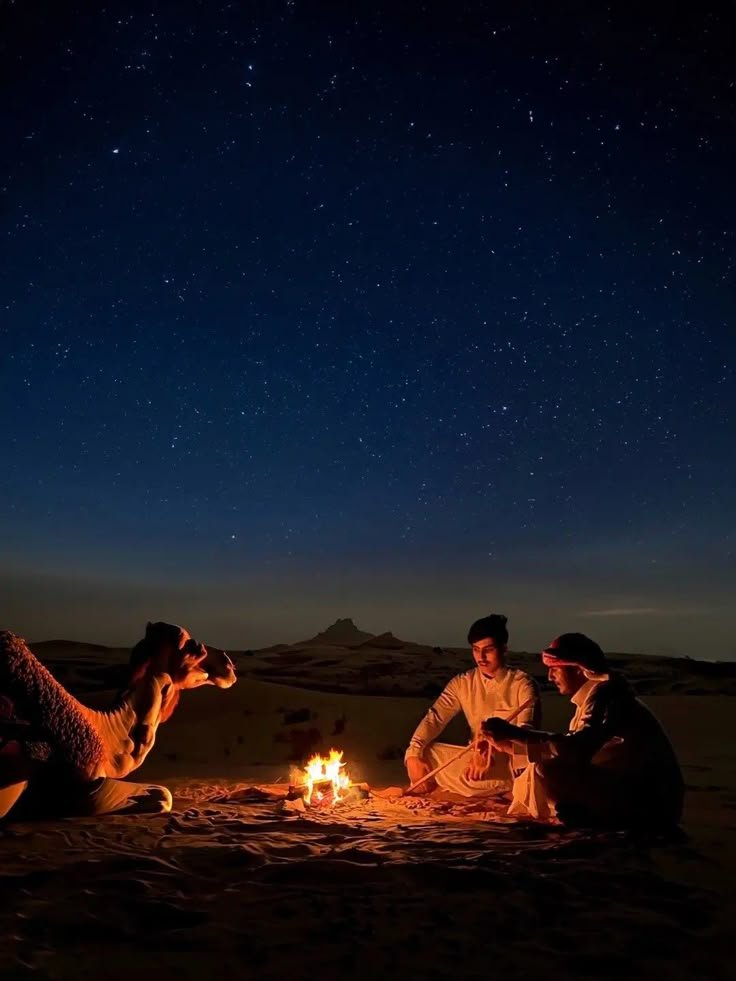
A Sahara Desert tour is more than just a destination; it is a journey through the history of Morocco. You cross the High Atlas, follow the ancient caravan routes of the Draa Valley, and sleep under a sky so clear you can see the Milky Way.
It is a humbling, spiritual, and visually spectacular experience that you will remember for the rest of your life.
Ready to book your adventure?
Whether you want a Luxury Merzouga Trip or a Fes to Marrakech Crossing, explore our curated itineraries to find the perfect desert escape.