By [marrakech-history]
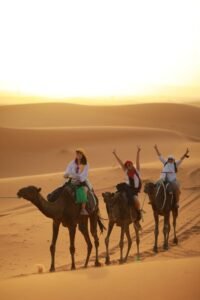
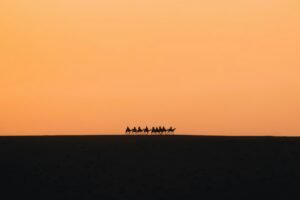
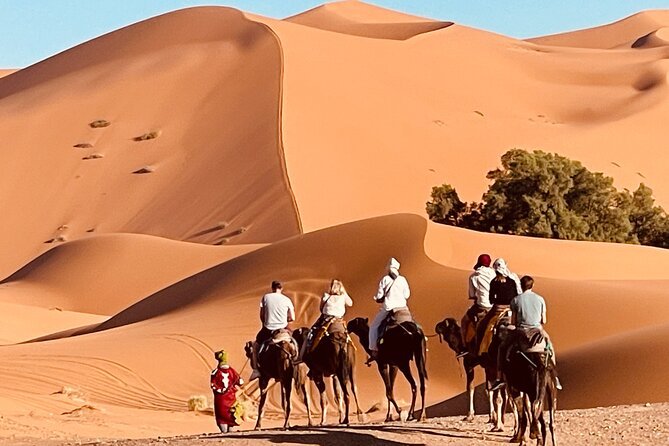
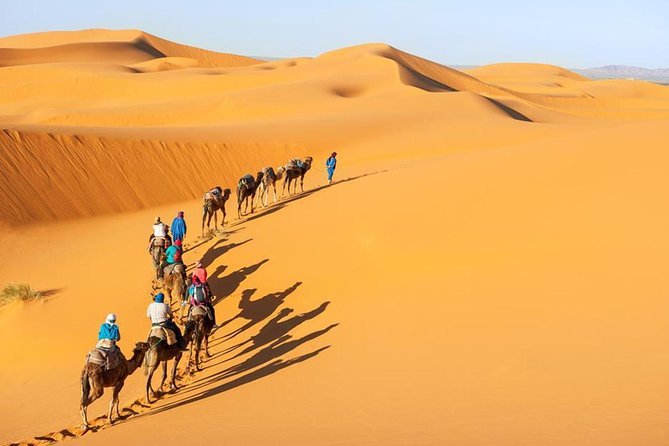
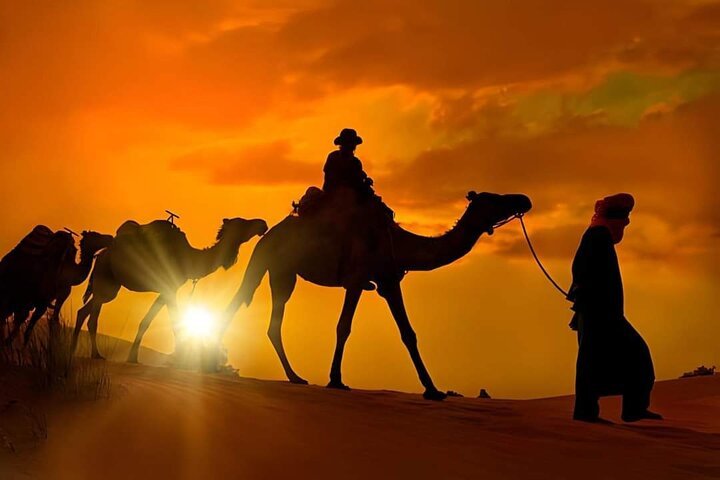
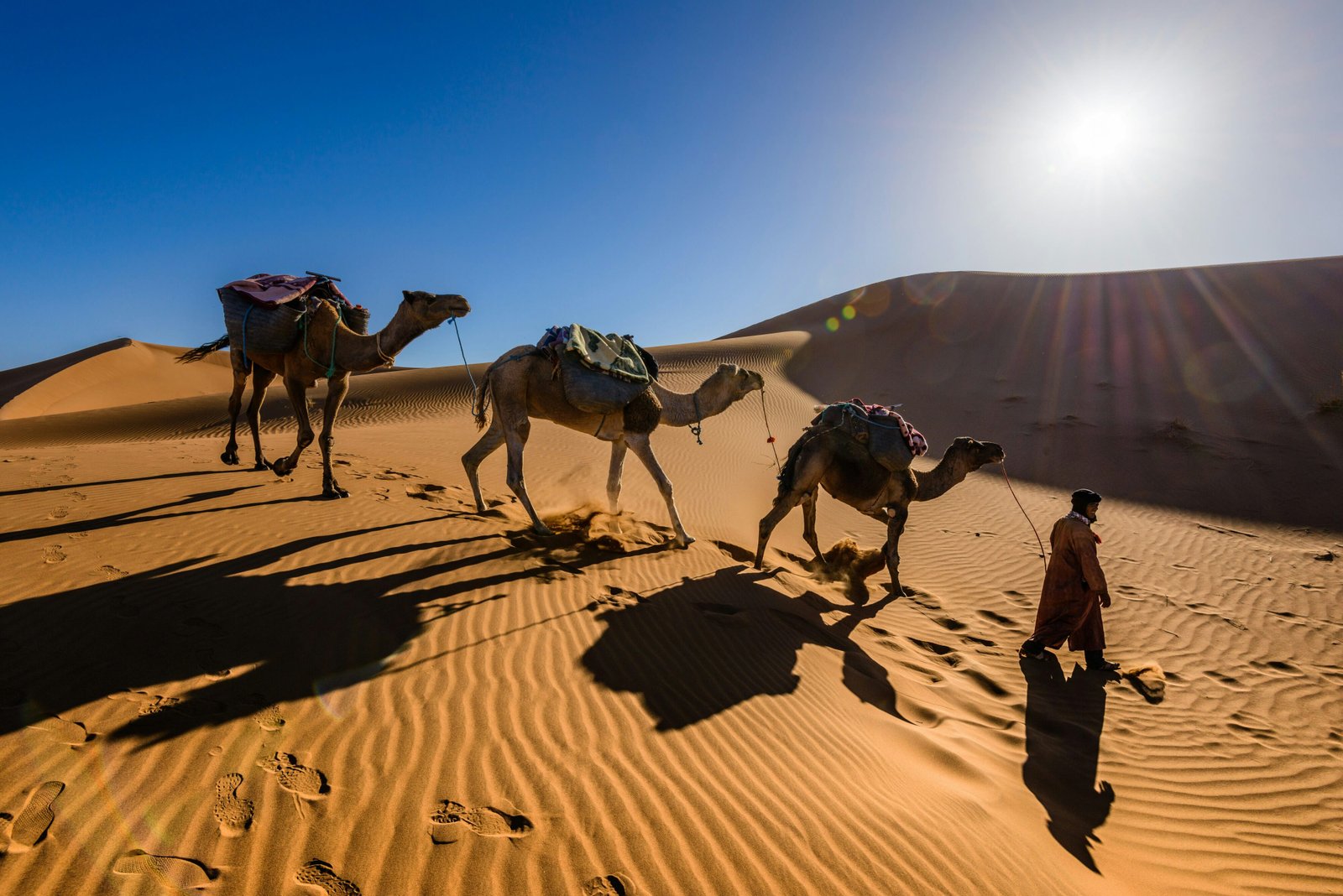
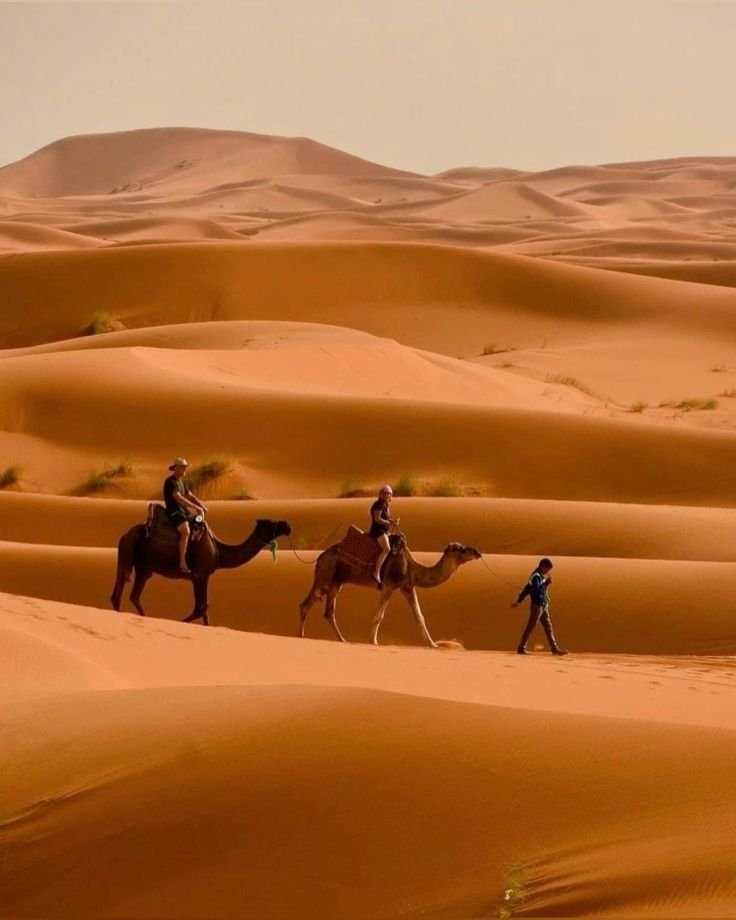
There is no image more iconic of Morocco than a camel caravan trekking across endless orange sands as the sun sets. For many travelers starting their journey in the bustling medina of Marrakech, the Sahara Desert is the ultimate bucket-list destination.
However, a glance at the map can be deceiving. The “Sahara” is not just outside the city gates. It is a journey—a spectacular, winding, and sometimes exhausting journey—across the High Atlas Mountains.
If you are planning your first trip to Morocco, this guide will answer the most common question: “How do I get from Marrakech to the Sahara, and which desert should I choose?”
1. The Big Decision: Merzouga vs. Zagora
Before you book a car or a tour, you must choose your destination. In Morocco, there are two main “gateways” to the Sahara. They are completely different experiences.
Option A: Merzouga (Erg Chebbi)
The “Real” Sahara Experience
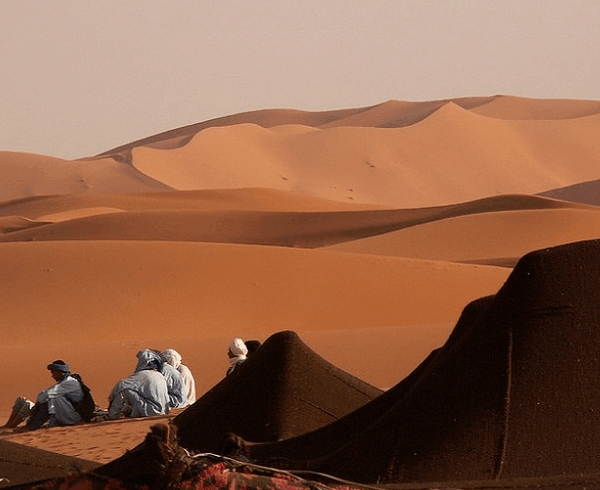
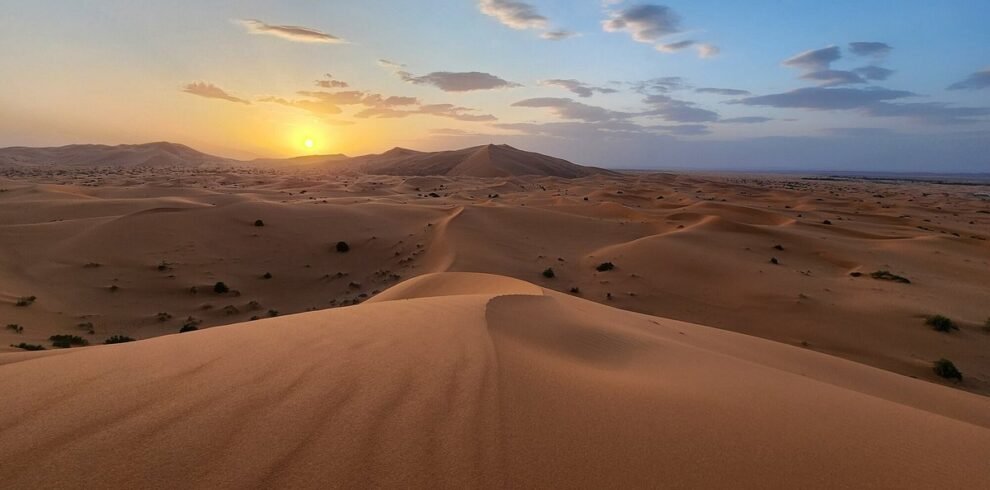
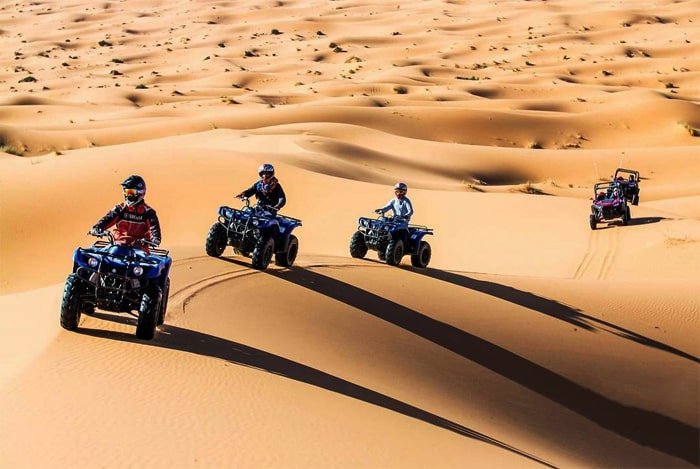
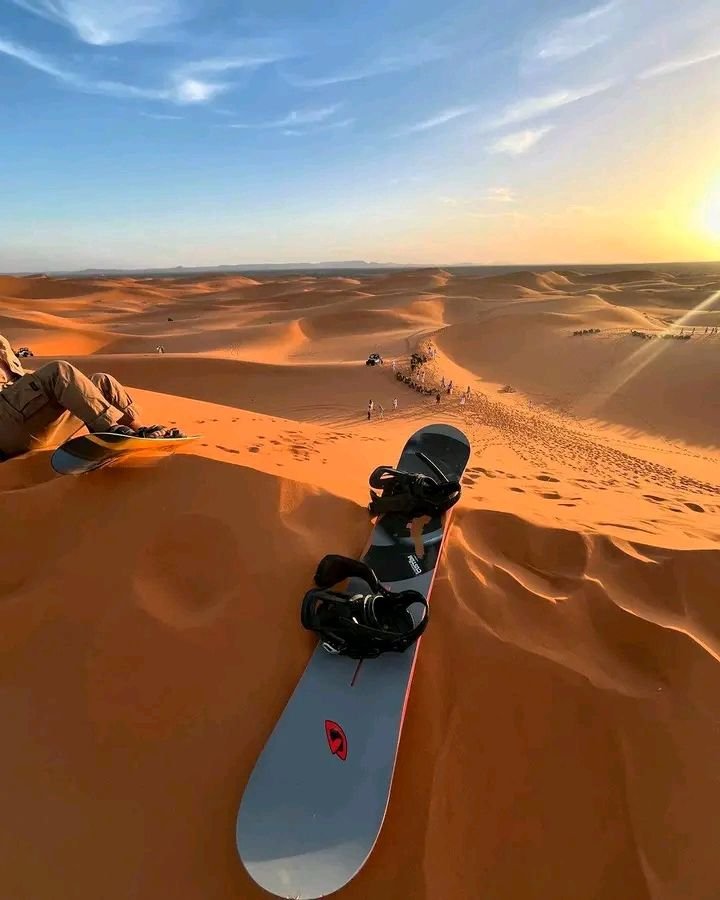
- The Vibe: Towering, shifting orange dunes (some up to 150m high). This is the postcard image of the Sahara you have in your head.
- Distance from Marrakech: ~560 km (350 miles).
- Drive Time: 9–10 hours of pure driving time (usually split over multiple days).
- Recommended Trip Length: Minimum 3 days (4 is better).
- Best For: Travelers who want the definitive desert experience and are willing to travel longer to get it.
Option B: Zagora (Erg Chigaga area)
The “Express” Desert Experience
- The Vibe: A rocky, flat desert (reg) with smaller dunes. It feels more remote and rugged but lacks the massive “waves” of sand found in Merzouga.
- Distance from Marrakech: ~350 km (220 miles).
- Drive Time: 6–7 hours.
- Recommended Trip Length: 2 days.
- Best For: Travelers short on time who want a taste of the desert atmosphere without the grueling 10-hour drive.
The Verdict: If you have the time, choose Merzouga. The distance is long, but the payoff of seeing the Erg Chebbi dunes is unmatched. Zagora is a beautiful runner-up, but it may leave you wishing for bigger dunes.
2. How to Get There: Transport Options
1. The Guided Tour (Most Popular)
For 90% of first-time visitors, this is the best option.
- Pros: Stress-free. You don’t have to navigate the winding mountain passes. Includes accommodation, camel treks, and dinners.
- Cons: Fixed schedule. You might get stuck in “tourist trap” stops (like overpriced fossil museums).
- Insider Tip: Avoid the cheapest “shared budget tours” (often under €100). You will likely spend more time in carpet shops than seeing sights. Opt for a small group or private tour for a genuine experience.
2. Renting a Car
- Pros: Total freedom. Stop for photos whenever you want (and you will want to).
- Cons: The drive is challenging. The Tizi n’Tichka pass is steep, narrow in parts, and full of trucks. Police checks are frequent.
- Tip: Do not drive at night. The roads are unlit and hazards (donkeys, pedestrians) are common.
3. Public Bus (CTM or Supratours)
- Pros: Very cheap (35 USD).
- Cons: You miss the stops. The bus goes from point A to point B. You won’t see Ait Ben Haddou or the gorges properly.
- Route: Supratours offers a direct bus from Marrakech to Merzouga (approx. 12 hours).
3. The Route: It’s Not Just About the Destination
The drive from Marrakech to the Sahara is widely considered one of the most scenic drives in North Africa. Here are the unmissable stops along the way.
The Tizi n’Tichka Pass
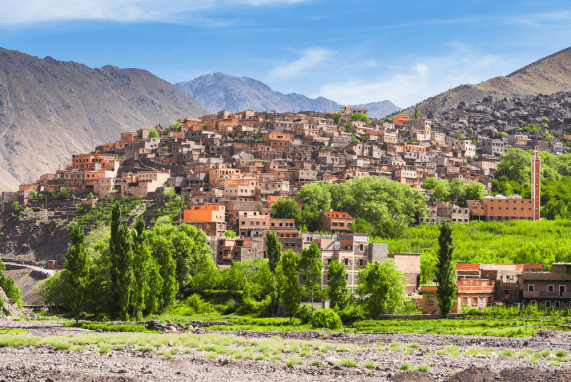
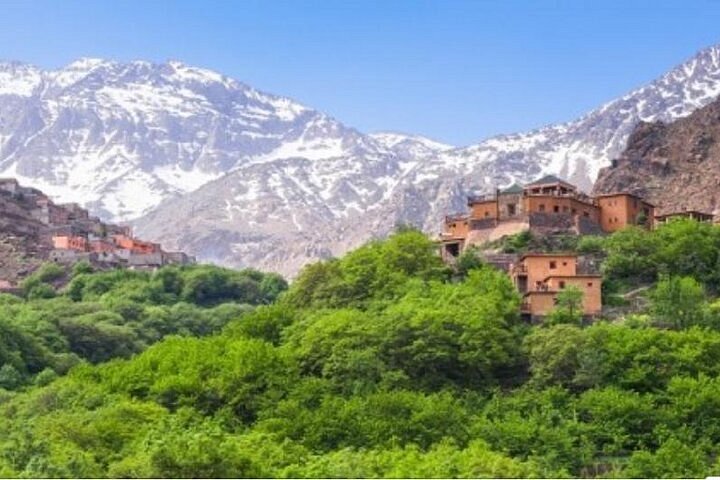
At 2,260 meters (7,415 ft), this is the highest major mountain pass in North Africa. The views of the winding road snaking through the High Atlas Mountains are dizzying. In winter, the peaks are capped with snow, contrasting sharply with the red clay earth.
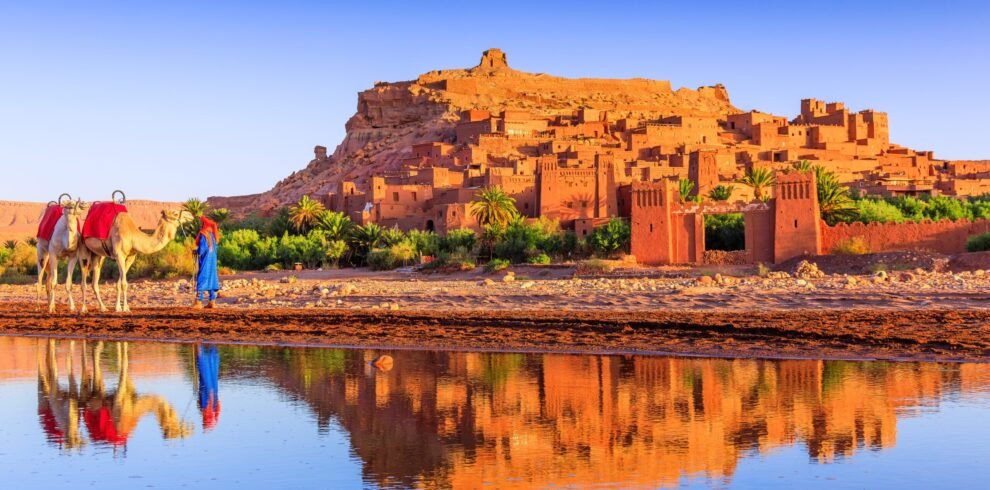
Ait Ben Haddou
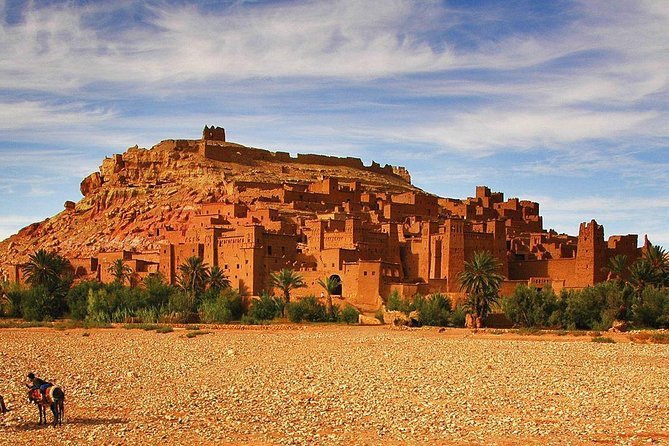
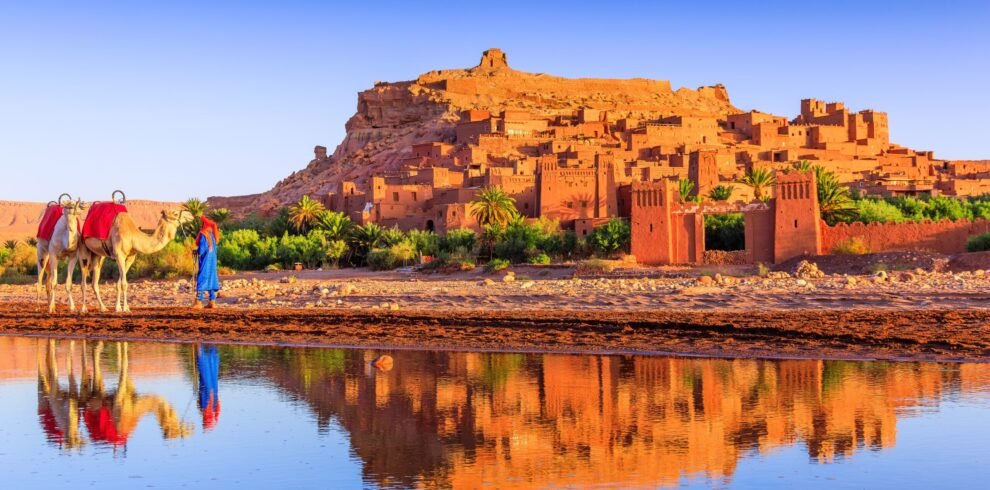
A UNESCO World Heritage site and the most famous Ksar (fortified village) in Morocco. If it looks familiar, it’s because it was the set for Gladiator, Game of Thrones, and Lawrence of Arabia.
- Stop duration: 1–2 hours.Walk to the top of the granary for a panoramic view.
The Valley of Roses & Skoura
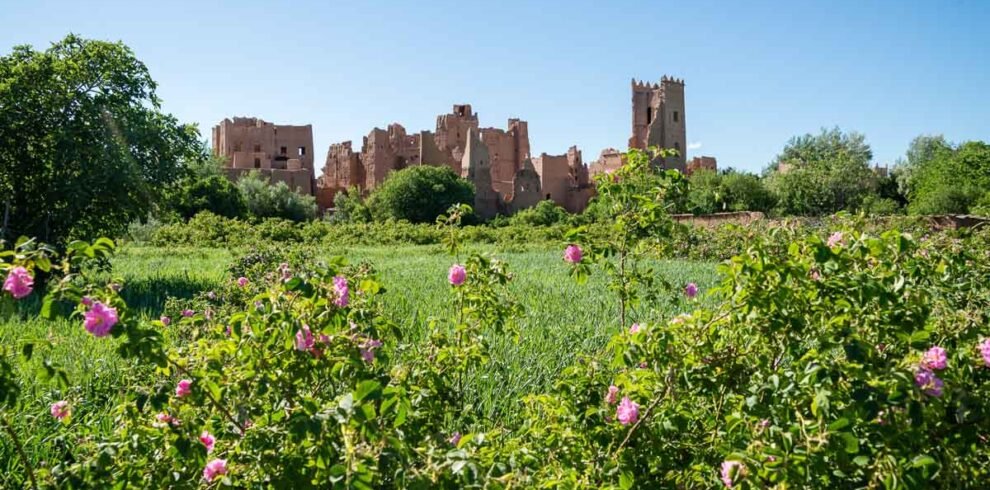
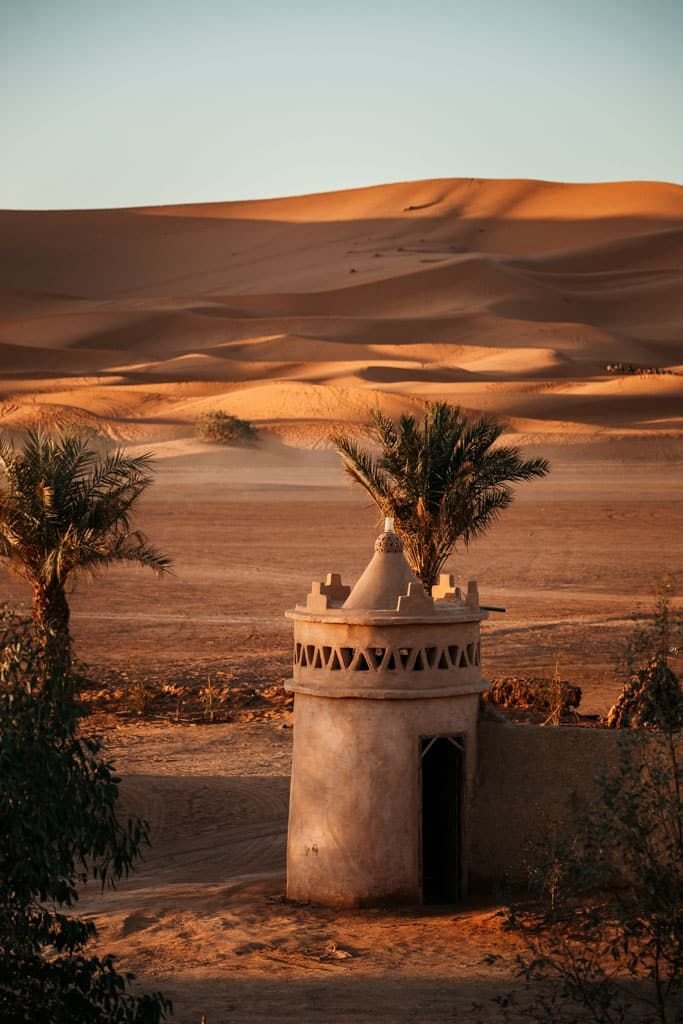
Between Ouarzazate and the desert lies a lush belt of palm groves. In spring (April-May), the air here smells of Damask roses, which are harvested for rose water.
The Dades & Todra Gorges
If you are heading to Merzouga, you will likely spend the night near here.
- Dades Gorge: Famous for its “monkey fingers” rock formations and zig-zag winding roads.
- Todra Gorge: A massive canyon with 300-meter high walls that narrow to just a small track. A paradise for climbers and photographers.
4. Best Time to Visit the Sahara
The desert is a land of extremes. Timing is everything.
- Best Overall (Spring & Autumn):
- March to May and September to November.
- Daytime highs are pleasant (25°C – 30°C / 77°F – 86°F). Nights are cool but comfortable.
- Winter (December to February):
- Days are crisp and clear (great for visibility), but nights are freezing. Temperatures can drop below 0°C (32°F) in the dunes. Most desert camps do not have central heating, just heavy blankets.
- Summer (June to August):
- Avoid if possible. Temperatures frequently hit 45°C – 50°C (113°F – 122°F). It is dangerous to be in the sun, and most luxury camps close down.
5. The Ultimate Packing List
You don’t need camping gear (the camps provide bedding), but you do need to be smart about your personal bag.
- A Scarf (Shesh): Essential for protecting your face from sand and sun. You can buy a traditional one locally.
- Warm Layers: Even in spring, the temperature drops drastically when the sun goes down. Bring a fleece or light down jacket.
- Power Bank: Tents often have outlets, but they may be solar-powered and weak.
- Motion Sickness Pills: The Atlas Mountain roads are incredibly twisty.
- Wet Wipes: Water is scarce. If you aren’t in a luxury camp with an ensuite shower, these are your “desert shower.”
- Loose, Long Clothing: Respect local culture and protect your skin from the harsh sun.
6. What to Expect at a Desert Camp
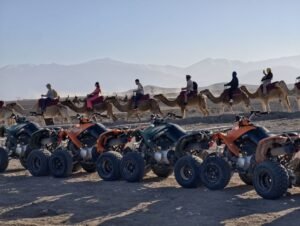
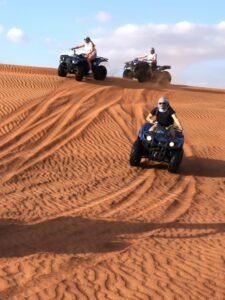
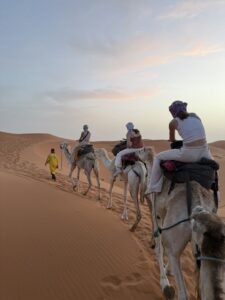
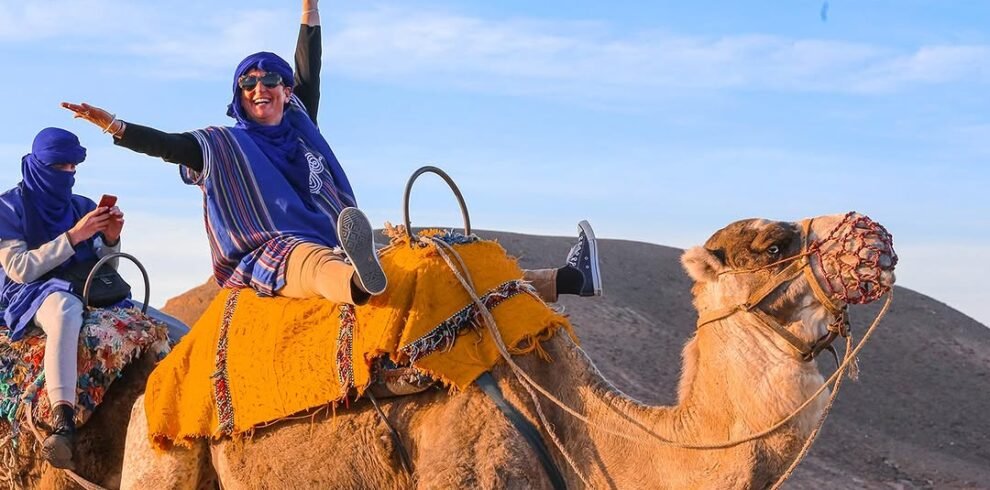
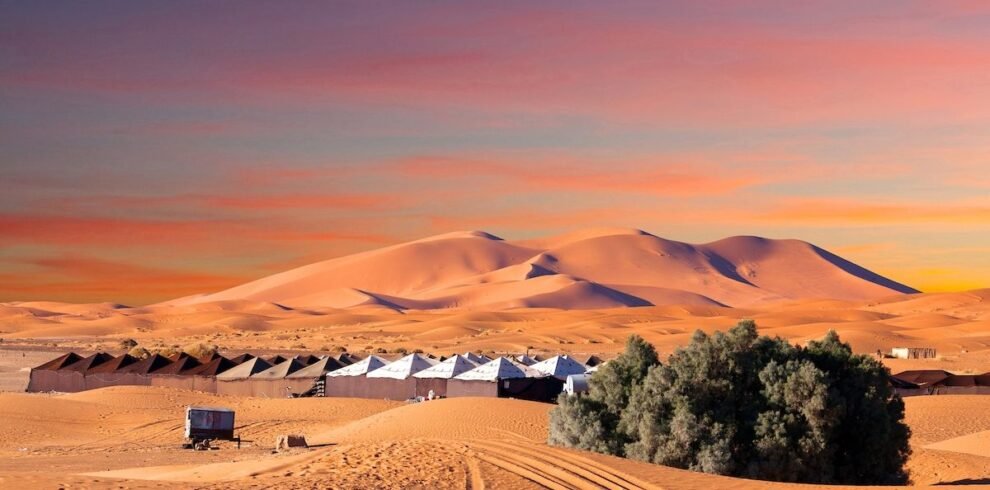
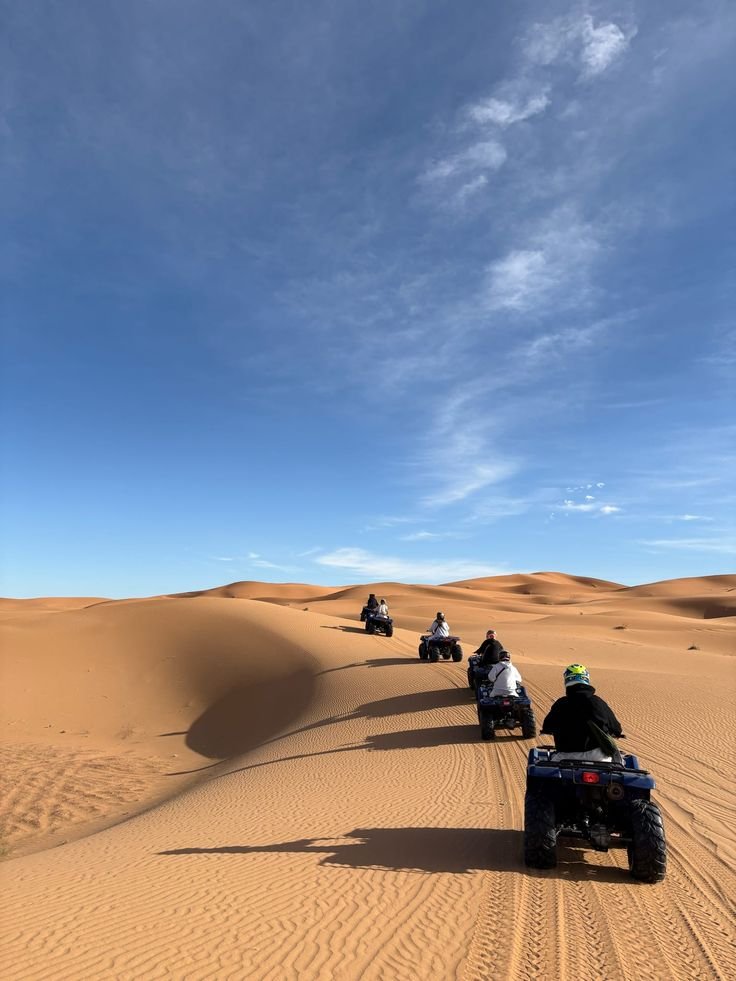
Arriving at the dunes usually happens just before sunset. You will likely switch from your car to a camel (or a 4×4) for the final leg to camp.
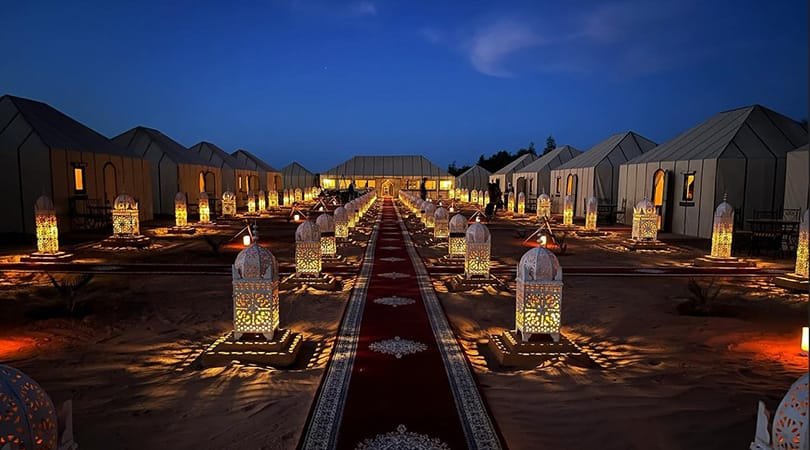
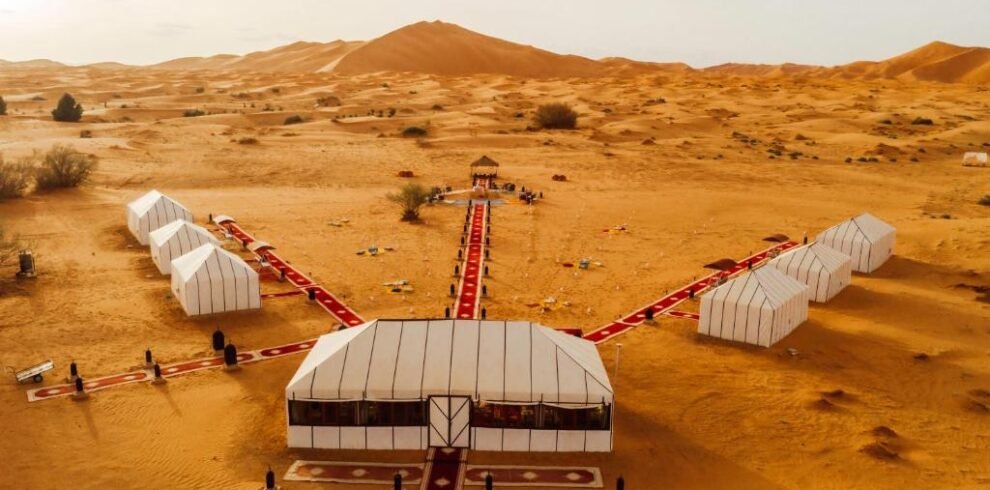
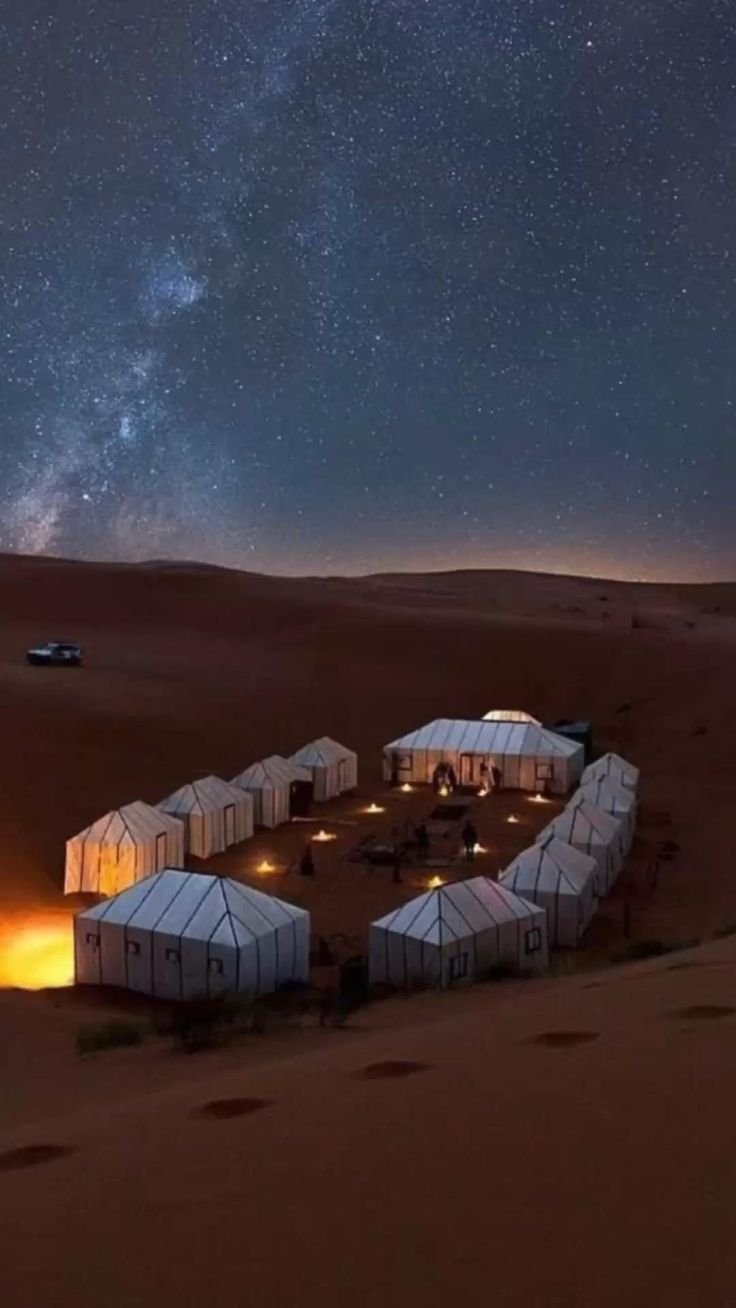
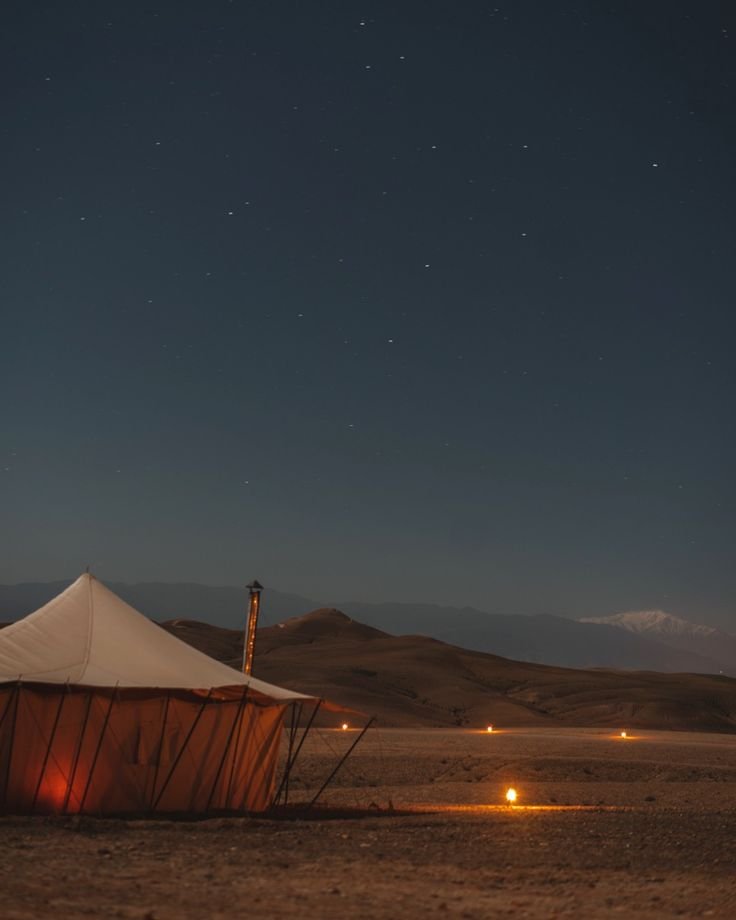
- Standard Camp: Shared bathrooms, simple tents, hearty tagine dinner, and Berber drumming around a fire.
- Luxury Camp: Private ensuite bathrooms with hot water, large “glamping” style tents, real beds, and gourmet meals.
Pro Tip: Wake up before dawn. Watching the sunrise over the dunes, when the sand changes color from violet to pink to gold, is a spiritual experience you will never forget.
Final Thoughts for the First-Timer
The trip from Marrakech to the Sahara is not a quick excursion; it is an expedition. It involves long hours in a vehicle and traversing rugged terrain. But when you are sitting atop a dune in the silence of the night, looking up at a Milky Way so bright it looks like spilled milk, you will realize that every mile was worth it.
Ready to plan your Moroccan adventure? contact us today to customize your private desert tour.