By [marrakech-history] Editorial Team
Last Updated: December 10, 2025
Nestled high in the Rif Mountains, far from the frenetic energy of Marrakech and the ancient intensity of Fes, lies a town that feels like a dream.
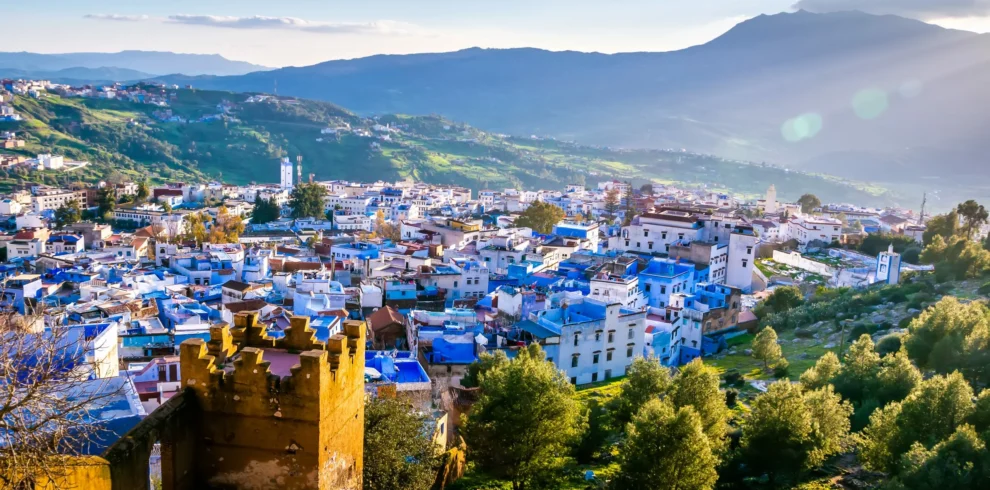
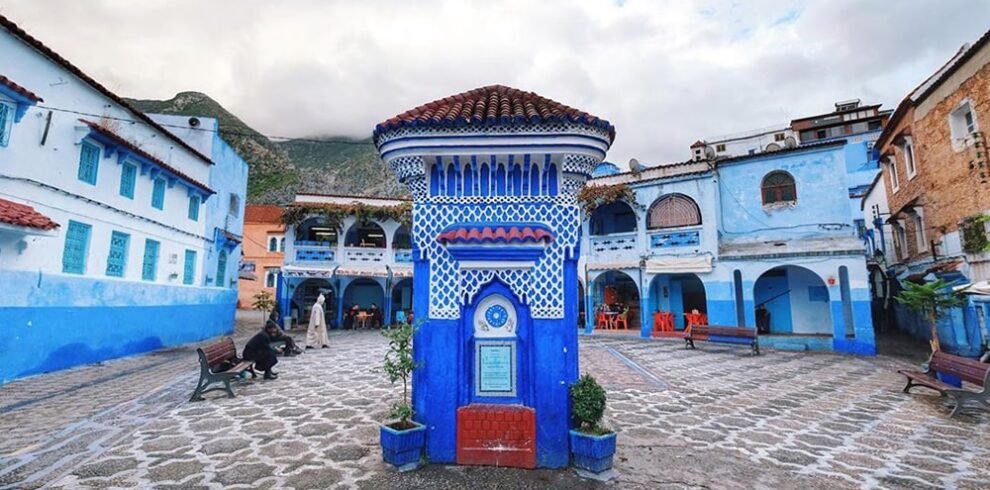
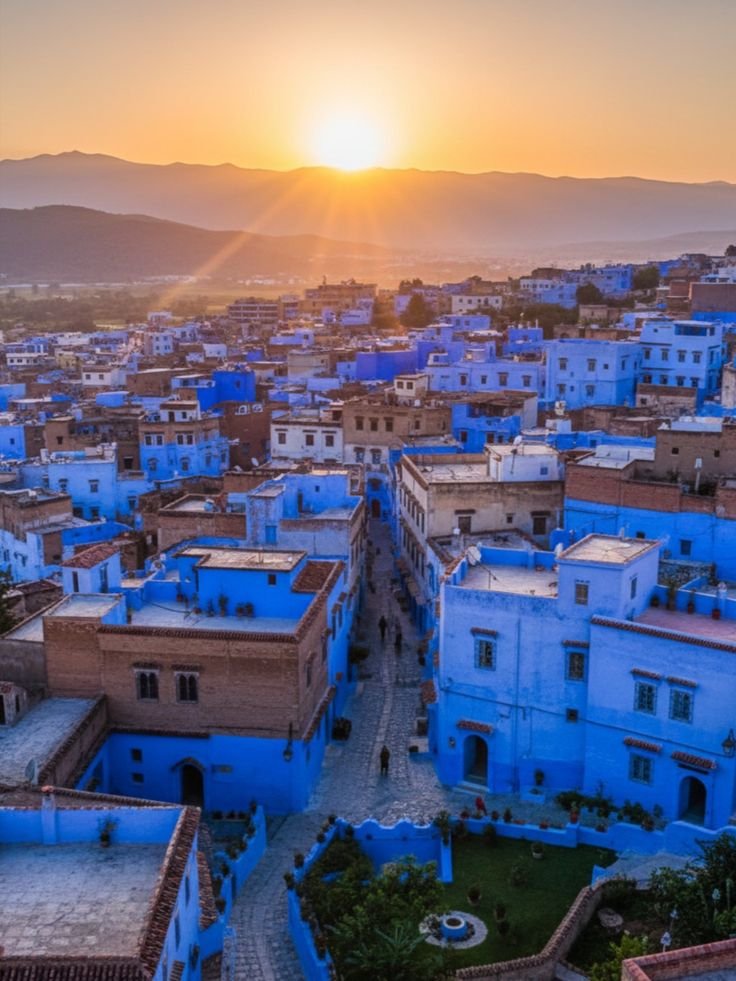
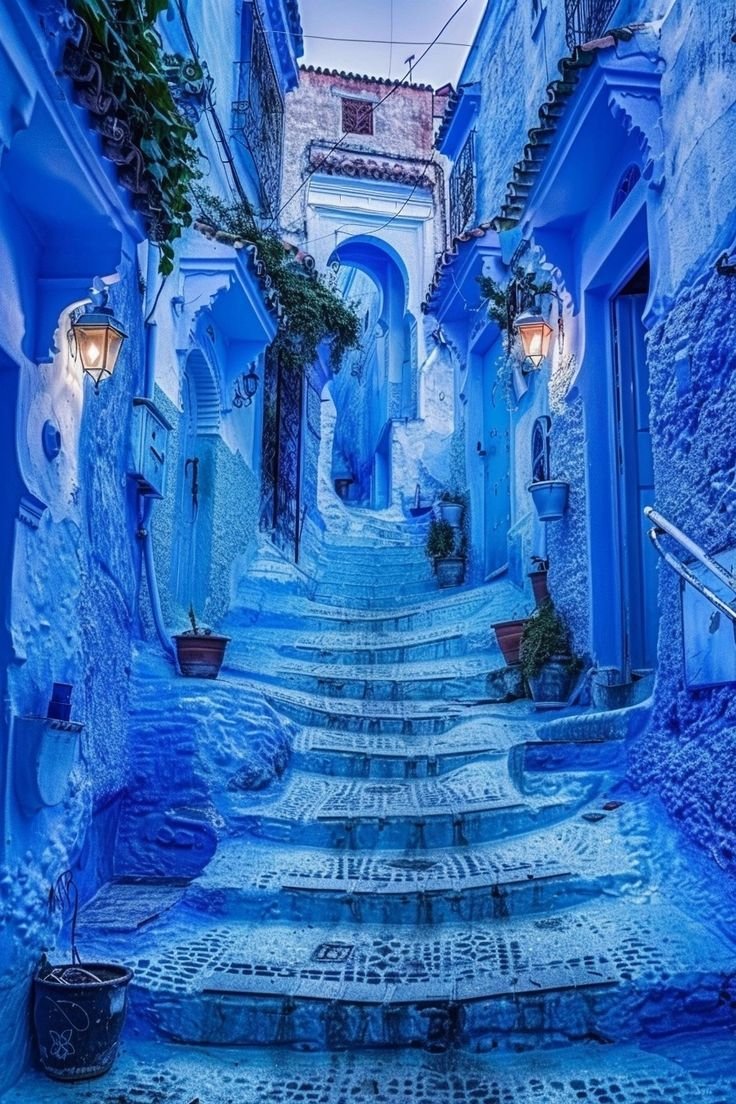
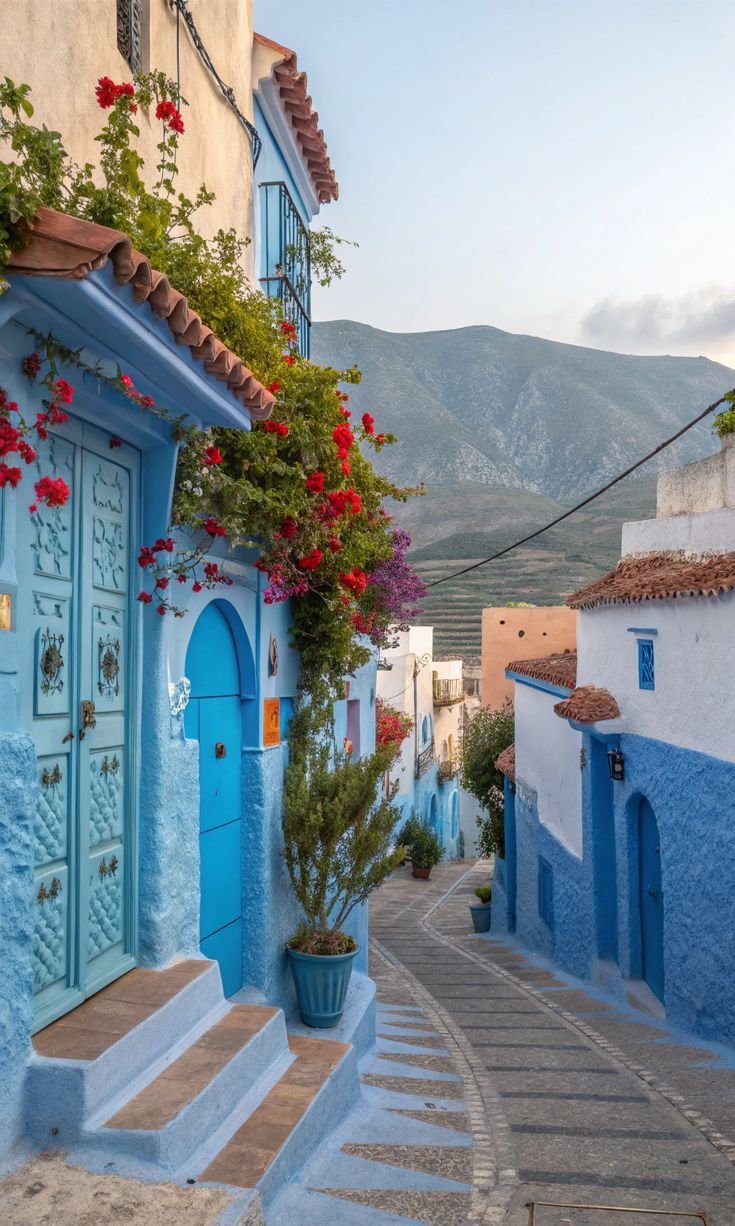
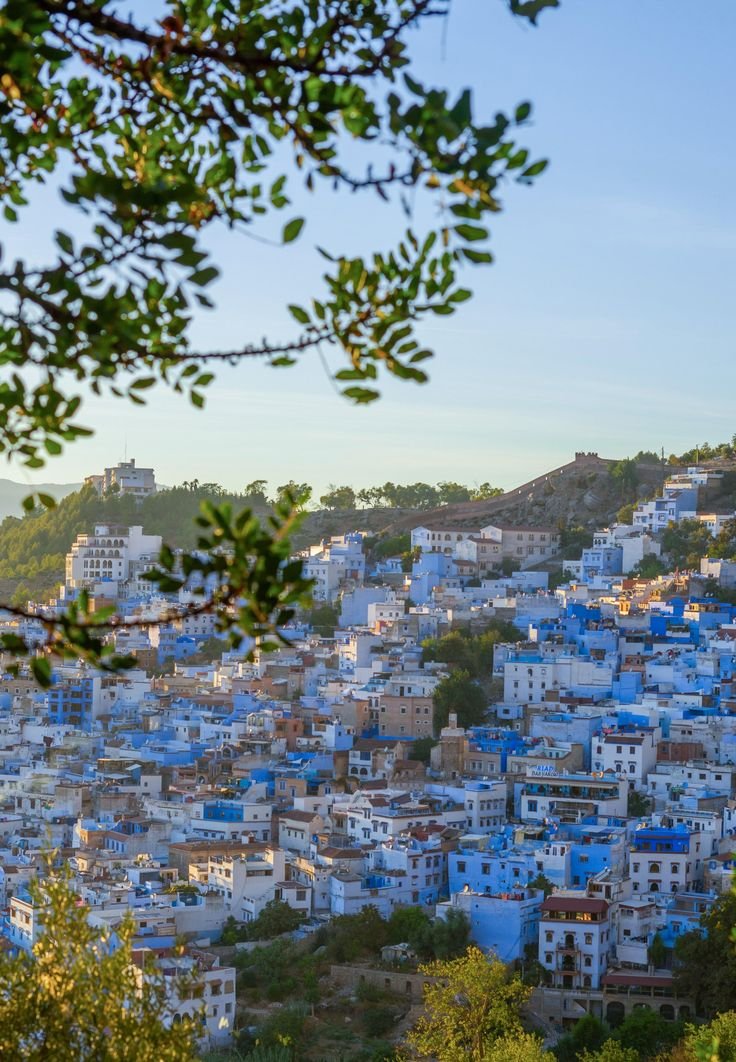
Chefchaouen (often shortened to “Chaouen“) is world-famous for one striking feature: it is painted entirely in varying shades of blue. From powder-blue steps to indigo doors and cobalt archways, the entire medina looks like it has been submerged in the ocean.
For the first-time traveler, Chefchaouen offers something rare: peace. It is a place to slow down, breathe fresh mountain air, and take the most beautiful photos of your life.
Whether you are visiting this winter or planning a spring 2026 adventure, here is your essential guide to the Blue City—what to see, how to get there, and the hidden gems most tourists miss.
1. The Mystery: Why is Chefchaouen Blue?
Before you start exploring, you will want to know the answer to the most common question: Why?
There are several theories, and the truth is likely a mix of them all:
- The Jewish Heritage: Many believe Jewish refugees fleeing Europe in the 1930s painted the city blue to symbolize the sky and heaven, a reminder of God’s power.
- Practicality: Locals often claim the blue repels mosquitoes (which is helpful near the waterfalls) and keeps houses cool during the scorching summer months.
- Aesthetics: In recent decades, the locals have maintained the color simply because it looks beautiful and attracts travelers like you.
2. How to Get There (The 2025 Logistics)
Chefchaouen is isolated in the mountains. There is no train station and no nearby airport. This isolation is part of its charm, but it requires planning.
- By Bus (The Best Option): The CTM Bus is the most reliable, comfortable, and safe way for tourists to travel. Routes run daily from Fes (4 hours) and Tangier (2.5 hours).
- Pro Tip: In 2025, these buses book out days in advance. Buy your ticket online or at the station as soon as you arrive in Morocco.
- By Grand Taxi: If you are short on time, you can hire a private “Grand Taxi.” It is faster but more expensive. Ensure you negotiate the price before getting in.
3. Top Things to Do: Exploring the Blue Maze
Unlike the hustle of other Moroccan cities, there is no “rush” here.
Wander the Medina Without a Map
The Medina of Chefchaouen is small and relatively easy to navigate. The goal here is simply to get lost.
- Photo Spot: Look for Callejon El Asri (The Blue Street), arguably the most photographed staircase in Morocco.
- The Vibe: You will notice the doors are smaller and the architecture is distinctively Andalusian-Spanish, reflecting the city’s history.
Hike to the Spanish Mosque for Sunset
This is the absolute best thing to do in Chefchaouen.
The Spanish Mosque sits on a hill overlooking the town. It was built in the 1920s but never used. The hike is an easy 20-30 minute walk from the eastern gate near the river.
- The Reward: Watching the sunset behind the mountains while the call to prayer echoes up from the blue city below is a spiritual experience.
Cool Off at Ras El Maa Waterfall
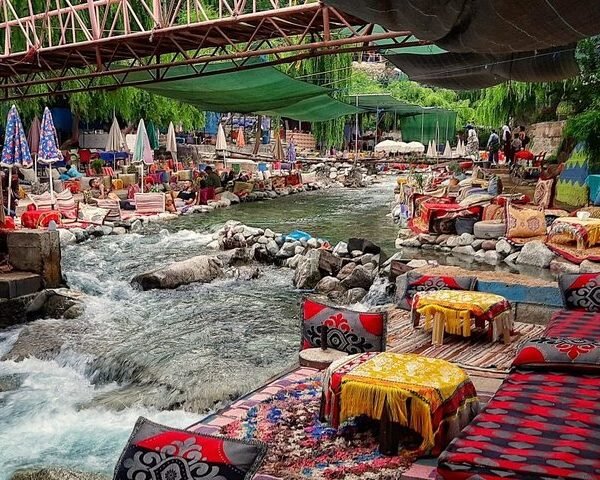
Located just outside the Medina walls, this is where the fresh mountain water cascades into town. It is a local gathering spot where women still wash clothes and carpets in the cold river water, and locals drink tea with their feet in the stream.
Visit the Kasbah Museum
In the main square (Plaza Uta El-Hammam), you will find the red-walled Kasbah. Inside is a lovely Andalusian garden, an old prison, and a small museum. The tower offers a fantastic view of the square below.
4. Day Trip: The Bridge of God (Akchour)
If you love nature, you must dedicate one day to Akchour.
Located a 45-minute taxi ride from Chefchaouen, this national park features incredible hiking trails.
- The God’s Bridge: A massive natural rock arch that spans the gorge.
- The Waterfalls: A hike to the Grand Cascade offers crystal clear (and freezing!) emerald pools perfect for swimming.
- 2026 Tip: Avoid weekends if possible; it is a favorite spot for Moroccan families and gets crowded.
5. Shopping: What to Buy in the Rif
The crafts here are different from the rest of Morocco.
- Wool & Weaving: The Rif Mountains are sheep country. Look for thick, colorful wool blankets (mendil) and djellabas (hooded robes).
- Rif Cheese: Soft, fresh goat cheese is a regional specialty.
- Natural Soap: Made with local olive oil and herbs.
6. Trustworthy Travel Tips: The “Kif” Culture
We believe in honest travel advice. Chefchaouen is located in the heart of Morocco’s cannabis-growing region.
- The Reality: You will likely be approached by locals whispering “Hashish?” or “Chocolate?” as you walk the streets.
- Is it Safe? Yes, they are generally not aggressive.
- What to Do: If you are not interested, a polite smile and a “No, thank you” is all it takes. Do not feel intimidated; it is simply part of the local economy. However, remember that drug use is technically illegal in Morocco.
7. Where to Eat
- Restaurant Bab Sours: Authentic, budget-friendly, and loved by locals. Try the Bissara (split pea soup) or the Goat Tagine.
- Café Clock: Famous for its Camel Burger and cultural events (storytelling and concerts). It has a great rooftop view.

Marrakech History
From the vibrant streets of Marrakech to the peaceful dunes of the Sahara
Final Thoughts
Chefchaouen is more than just a backdrop for Instagram. It is a breath of fresh air. It is the perfect “vacation from your vacation” after the intensity of Fes or Marrakech.
The blue walls may be what draw you in, but the relaxed mountain pace and the kindness of the locals are what will make you stay.
Dreaming of the Blue City?
Explore our [Northern Morocco Itineraries] to combine Chefchaouen with Tangier and Fes for the perfect 2026 trip.