By [marrakech-history] Editorial Team
Last Updated: December 10, 2025
Mention “Casablanca,” and most people drift into a black-and-white reverence for Humphrey Bogart and Ingrid Bergman. They imagine a romantic, misty outpost of spies and lovers.
The reality of modern Casablanca (known locally as Casa) is vastly different. It is the economic lung of Morocco—a sprawling, white-washed metropolis of 4 million people, traffic jams, art deco masterpieces, and Atlantic breezes.
For many first-time travelers planning their 2026 itineraries, Casablanca poses a dilemma: Is it just a transit hub, or is it a destination worth exploring?
The short answer: Yes, it is absolutely worth it—if you know where to look.
Casablanca offers a side of Morocco you won’t find in the medieval streets of Fes or the tourist hubs of Marrakech. It is cosmopolitan, gritty, and undeniably impressive. Here is your essential guide to the White City.
1. The Verdict: Why You Should Stay (Briefly)
If you are looking for “1001 Nights” exoticism, head to Marrakech. But if you want to see the modern face of Morocco, spend 24 to 48 hours in Casablanca.
- The Architecture: It is an open-air museum of Mauresque (Moorish) and Art Deco architecture.
- The Mosque: It is home to one of the few mosques in the world open to non-Muslims, and it is spectacularly beautiful.
- The Vibe: It feels real. This is where Moroccans live, work, and create art. The dining scene is sophisticated, and the energy is electric.
2. The Crown Jewel: Hassan II Mosque
If you see only one thing in Casablanca, let it be this.
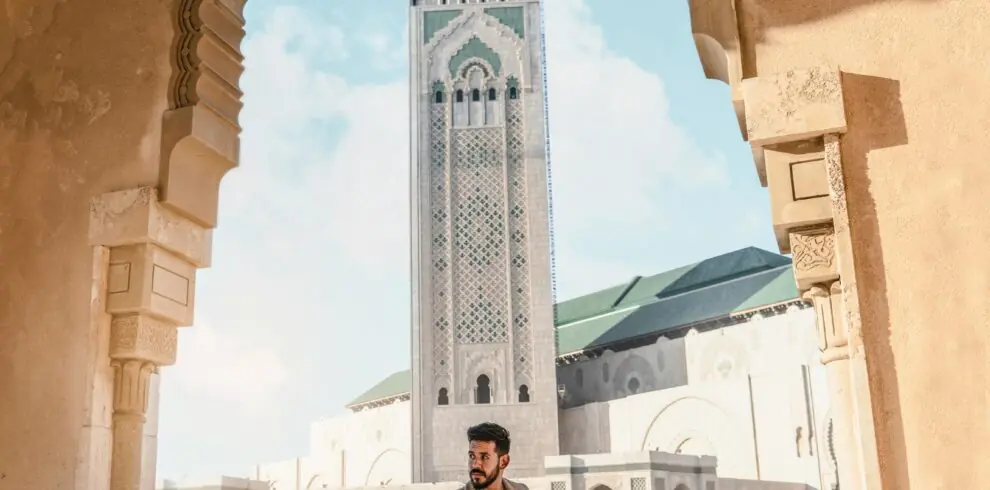
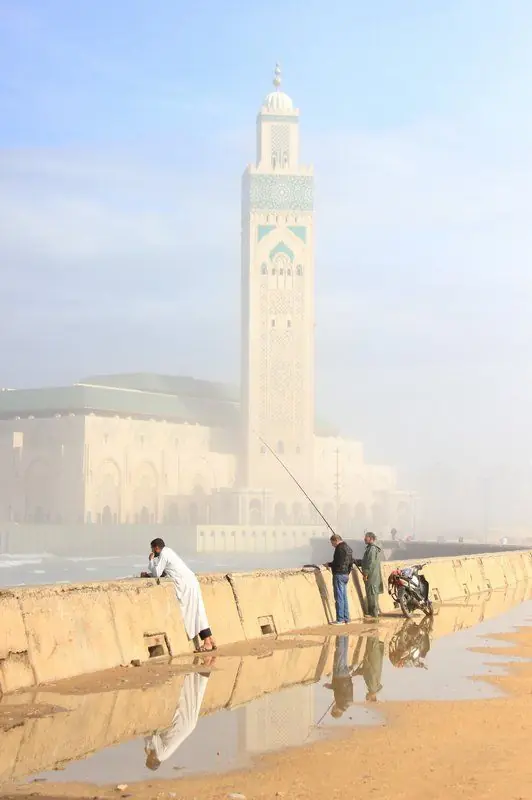
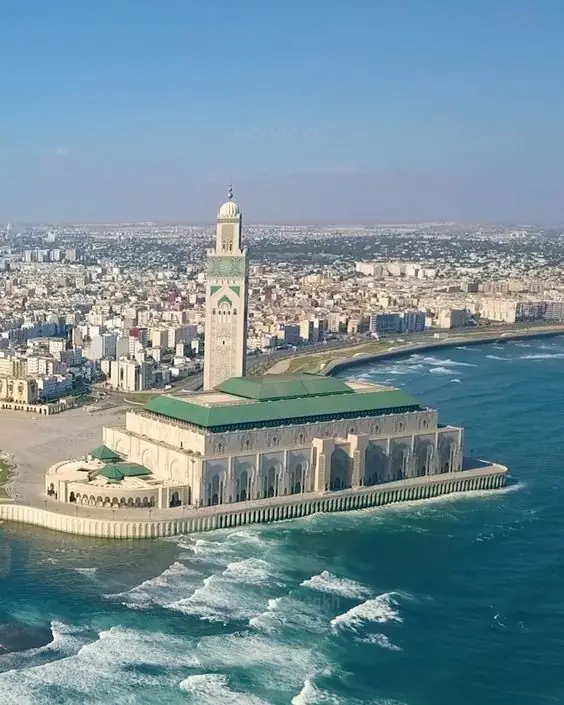
Completed in 1993, the Hassan II Mosque is a feat of engineering and faith. Perched on a promontory over the Atlantic Ocean, it features the world’s second-tallest minaret (210 meters), fitted with a laser that points toward Mecca.
- Why It’s Special: Unlike most mosques in Morocco, non-Muslims are welcome on guided tours.
- What You’ll See: A retractable roof that opens to the sky, heated marble floors, and hand-carved stucco that took 6,000 artisans five years to create.
- 2025/2026 Visitor Tip: Tours run at specific times (usually 9 AM, 10 AM, 11 AM, and 2 PM). Buy your tickets online in advance to skip the queue at the museum entrance.
3. The Neighborhoods: Where to Walk
Casablanca is huge, but the interesting parts are concentrated.
The Art Deco District (Downtown)
Walk around Place Mohammed V and the Boulevard Mohammed V.
In the 1930s, Casablanca was a playground for avant-garde French architects. Look up above the storefronts to see stunning white curves, floral friezes, and geometric balconies. It is a unique blend of Moroccan tradition and European modernism.
The Habous Quarter (The “New” Medina)
Skip the “Old Medina” near the port (which is gritty and largely residential) and head to the Habous.
Built by the French in the 1920s to solve housing shortages, it is a charming, idealized version of a traditional medina.
- What to Do: It’s clean, quiet, and full of archways. Visit the Patisserie Bennis for legendary almond cookies and browse the bookstores selling rare Arabic and French texts.
The Corniche (Ain Diab)
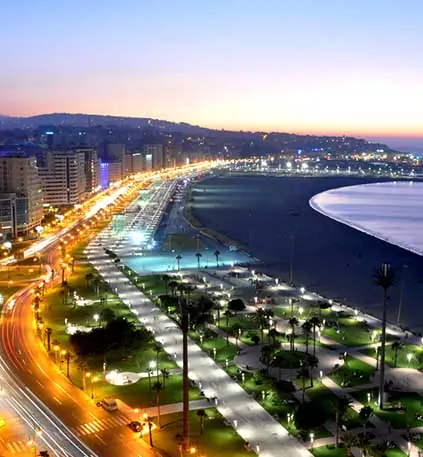
This is the city’s “boardwalk.” It’s a long, palm-lined strip along the ocean. In the evenings, it fills with families walking, joggers, and young people heading to the beach clubs. It’s the perfect place to watch the sunset over the Atlantic.
4. Dining: Is “Rick’s Café” a Tourist Trap?
Every first-timer asks about Rick’s Café.
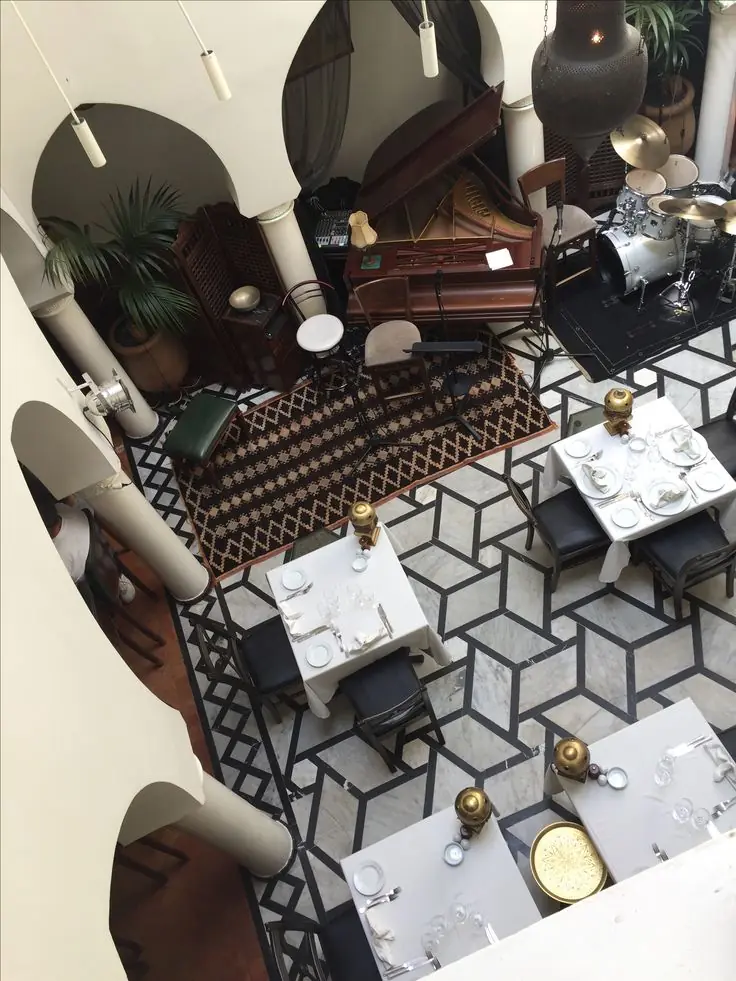
- The Truth: The movie Casablanca was filmed entirely in a Hollywood studio. However, an American diplomat founded this restaurant to recreate the film’s set.
- The Verdict: Yes, it is touristy. But it is also excellent. The piano player plays “As Time Goes By,” the decor is nostalgic perfection, and the food (steaks, seafood) is high quality.
- Requirement: You must book weeks in advance, and there is a strict dress code (no shorts or sandals).
For a more local experience, head to the Central Market for fresh oysters or grilled fish, or dine at La Sqala, set in an 18th-century fortified bastion.
5. Logistics: Getting In and Out
Casablanca is the travel hub of the country.
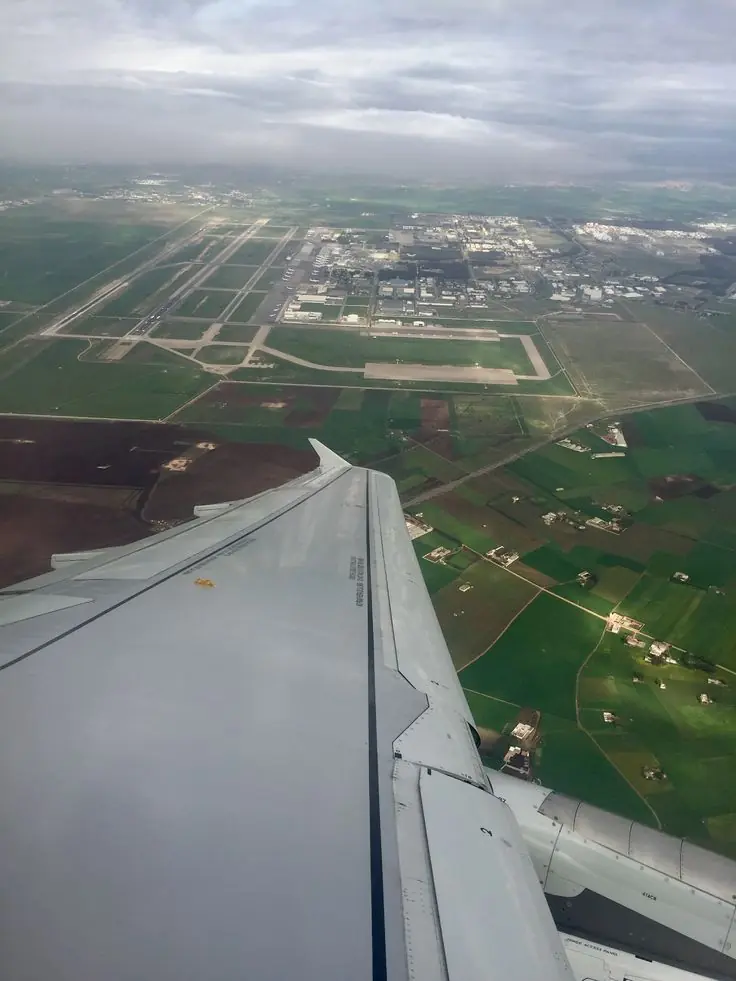
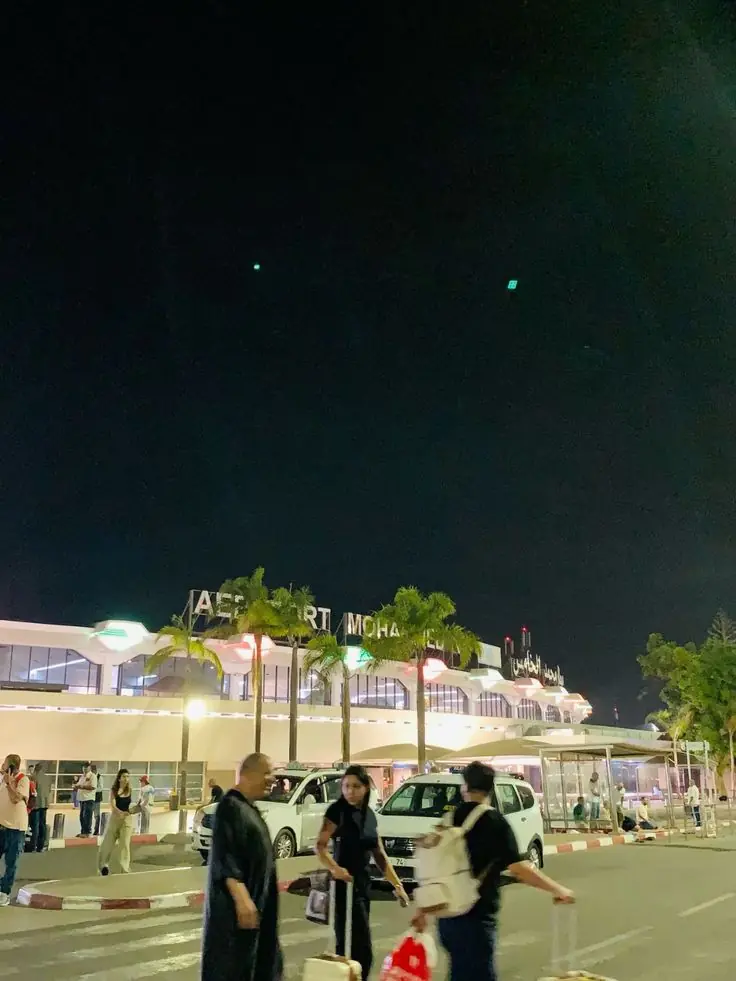
- Mohammed V International Airport (CMN): Most international flights land here. A train runs from the airport basement to the city center (Casa Voyageurs station) every hour.
- Al Buraq (High-Speed Train): This is a game-changer. You can travel from Casablanca to Tangier in just 2 hours and 10 minutes.
- Train Stations: Note that there are two main stations:
- Casa Voyageurs: For long-distance trains (Marrakech, Tangier, Fes).
- Casa Port: For commuter trains and the airport connection.
6. Safety & Practical Tips for 2026
- Is it Safe? Yes, but it is a big city. Be cautious of pickpockets in crowded areas like the Old Medina and the bus stations.
- Traffic: Casablanca traffic is notorious. Avoid renting a car here. Use the red “Petit Taxis” (make sure the meter is on) or the modern Tramway system, which is clean, cheap, and efficient.
- Language: French is widely spoken here, often more so than English. A simple “Bonjour” goes a long way.
Final Thoughts
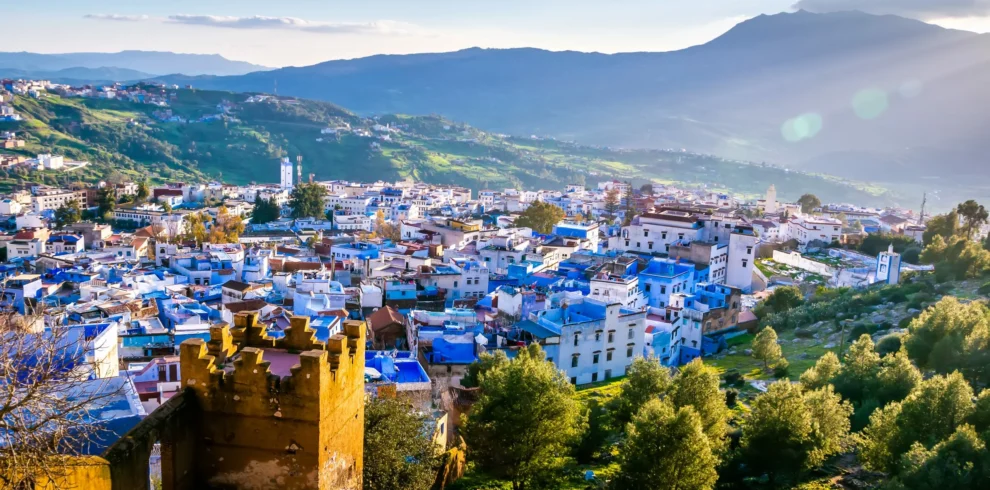
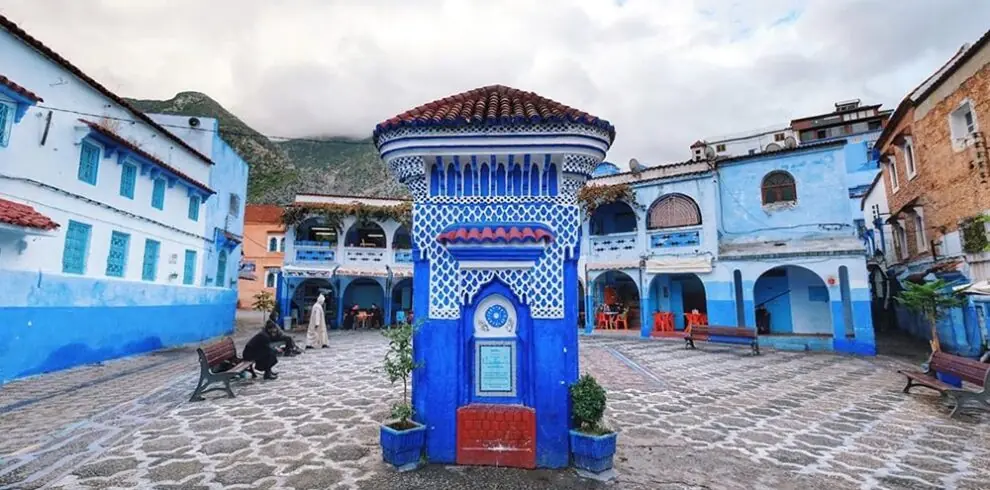
Casablanca is often misunderstood. It doesn’t have the fairy-tale charm of the blue walls of Chefchaouen or the chaotic magic of the Fes souks.
Instead, it offers something arguably more important: Perspective.
Standing in the shadow of the Hassan II Mosque with the Atlantic waves crashing below is one of the most majestic experiences in North Africa. It is a city of contrasts, of ambition, and of hidden beauty. It is absolutely worth a day of your time.
Planning your Moroccan arrival?
Most of our grand tours begin here. Check out our [Grand Morocco Tour] to start your journey in the White City