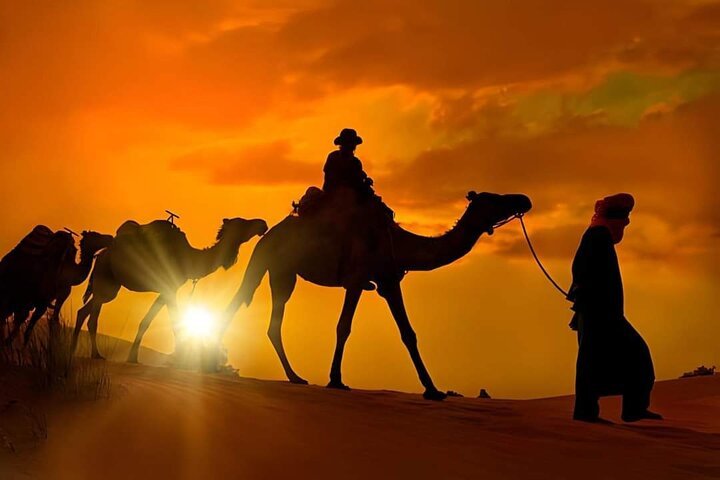
One of the most common misconceptions about Morocco is that it is always hot.
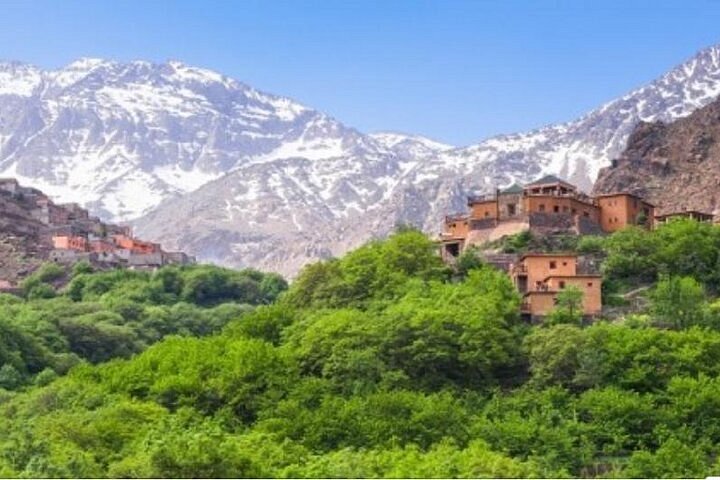
While it is true that the Sahara sun is legendary, Morocco is a land of dramatic geographical contrast. In a single day during winter, you could be skiing in the snow-capped High Atlas Mountains and dining outdoors in a t-shirt in Marrakech.
Because of this diversity, there is no single “best” time to visit Morocco—it depends entirely on what you want to do.
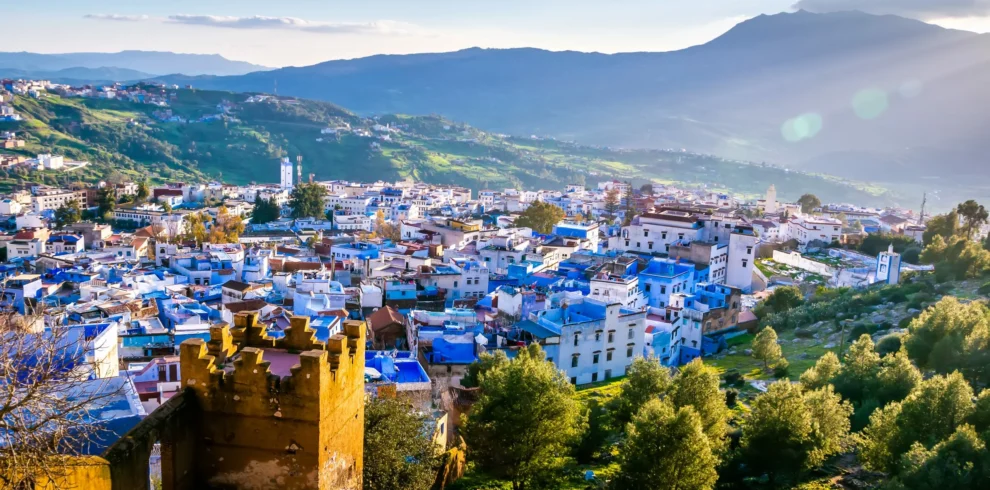
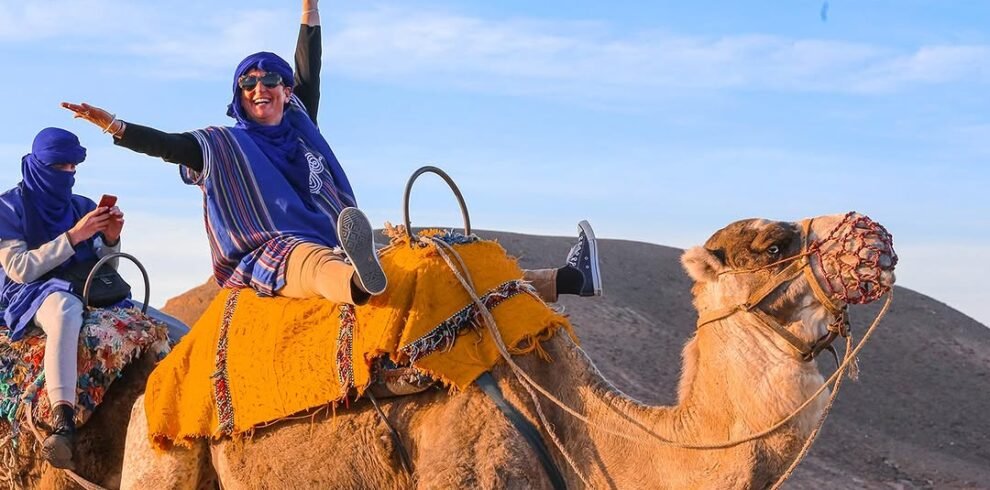
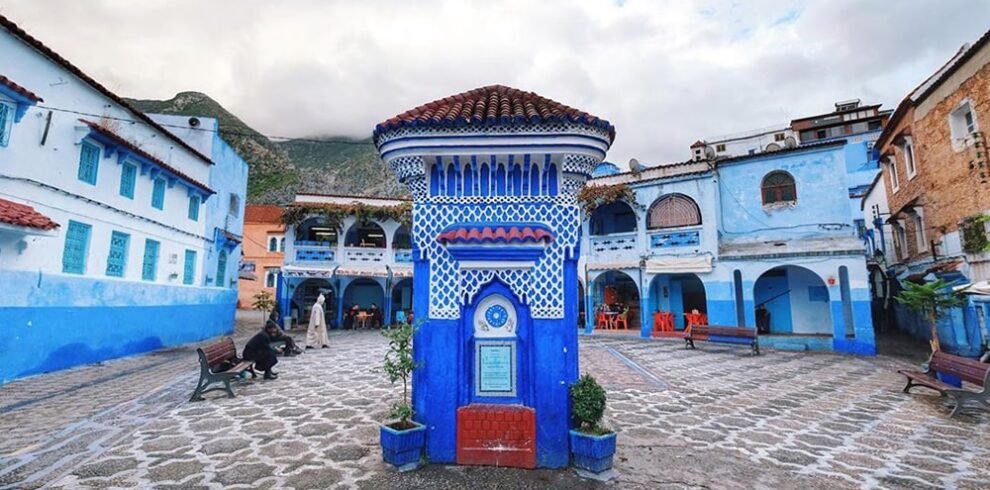
Are you chasing the perfect Instagram shot in the blue city? Dreaming of a camel trek without the scorching heat? Or looking to surf the Atlantic waves? This guide breaks down the seasons, the regions, and the festivals to help you pick the perfect dates for your Moroccan adventure.
The Short Answer: The Sweet Spot
If you want the perfect balance of weather and accessibility across the whole country, the best time to visit Morocco is during Spring (mid-March to May) or Autumn (September to November)
- Best for Weather: Spring and Autumn (sunny, mild, 20°C–25°C / 68°F–77°F).
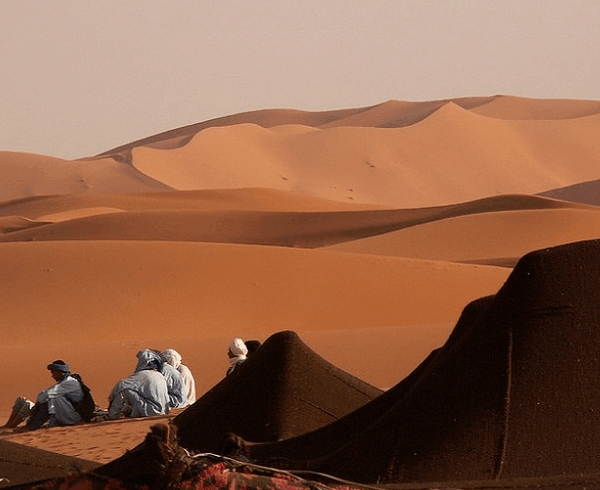
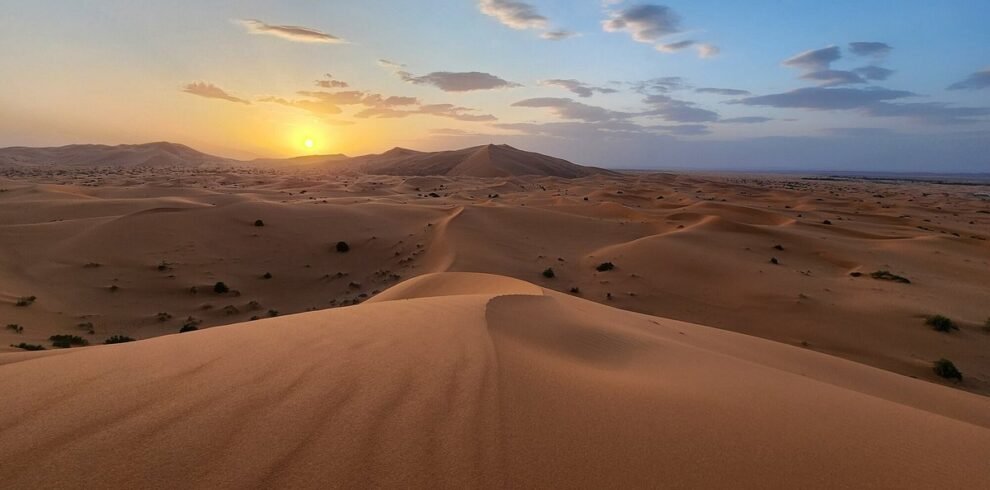
- Best for the Desert: Late Autumn and Winter.
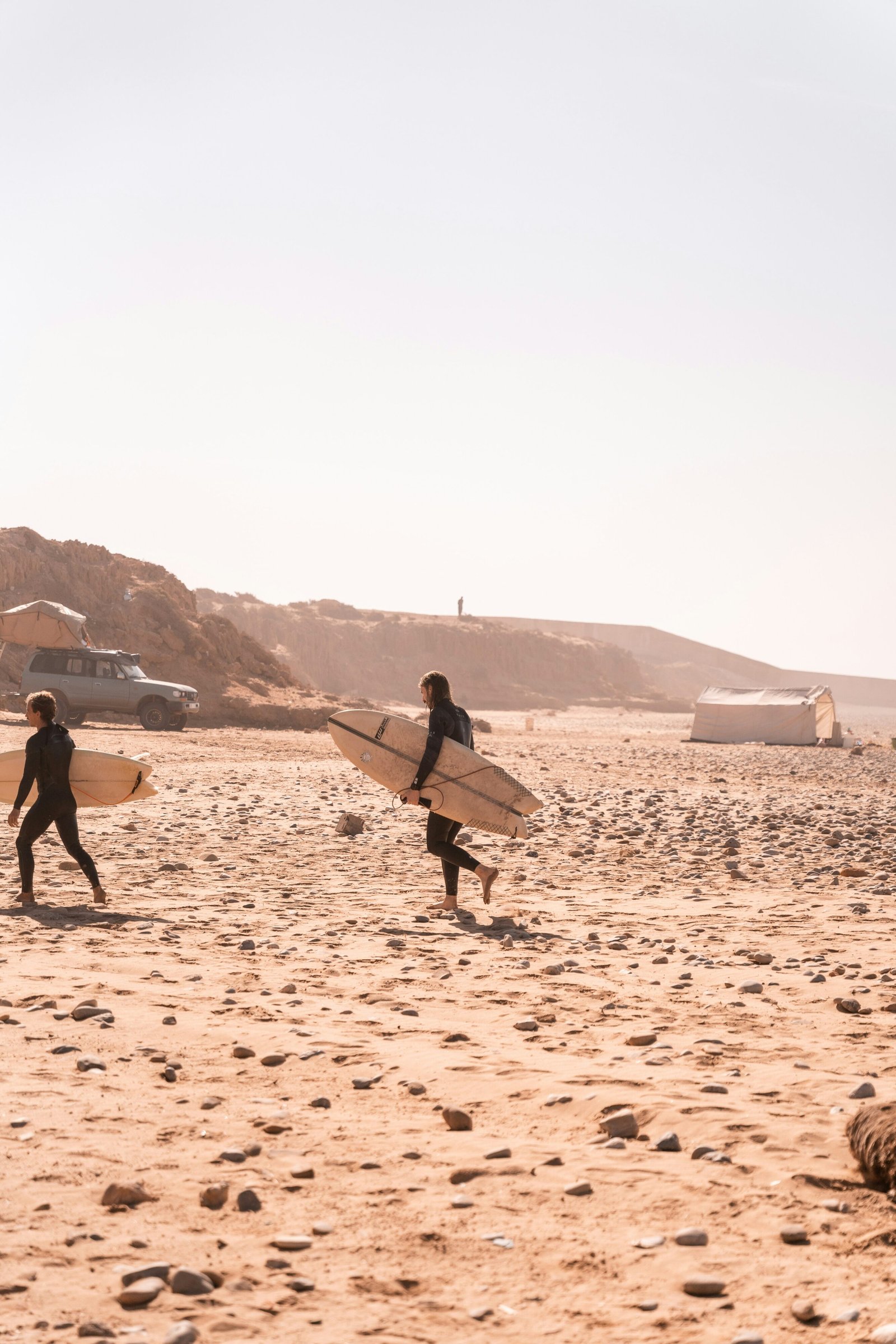
- Best for the Coast: Summer.
- Best for Budget Travelers: January (post-New Year) and July (too hot for most).
1. Spring (March to May): The Season of Life
The ideal time for: Hiking, City Sightseeing, and lush landscapes.
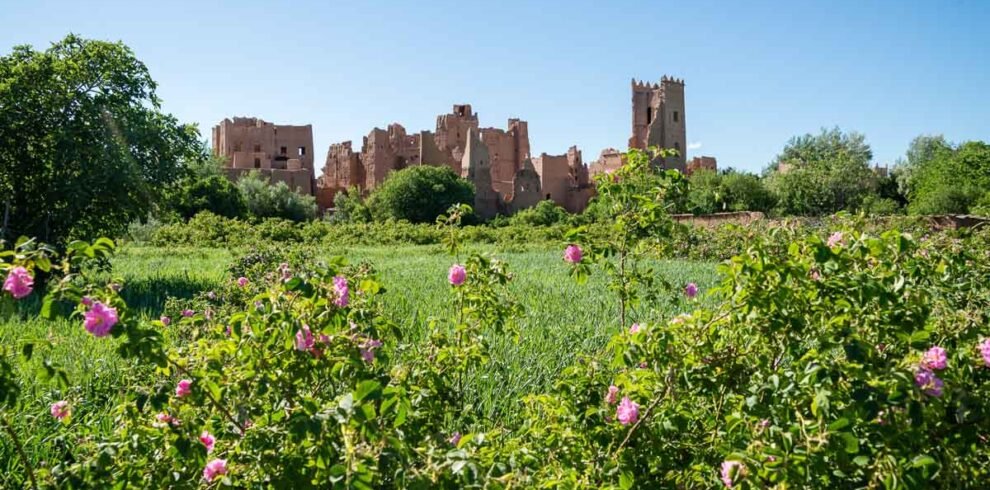
Spring is widely considered the prime tourist season. The winter rains have turned the countryside a vibrant green, the roses are blooming in the Valley of Roses, and the temperatures are perfect for walking.
- The Vibe: Energetic and colorful.
- The Weather: Pleasantly warm days and cool nights.
- Highlights:
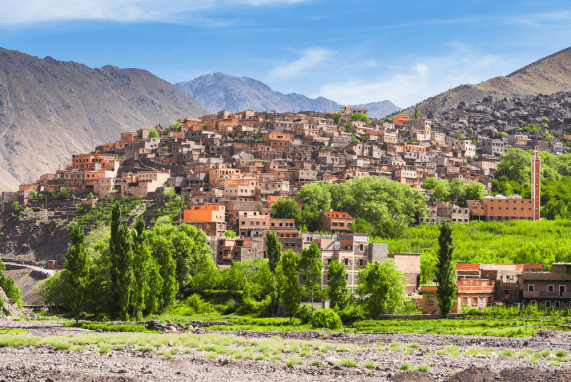
- Hiking: The Atlas Mountains are spectacular, with wildflowers covering the valleys.
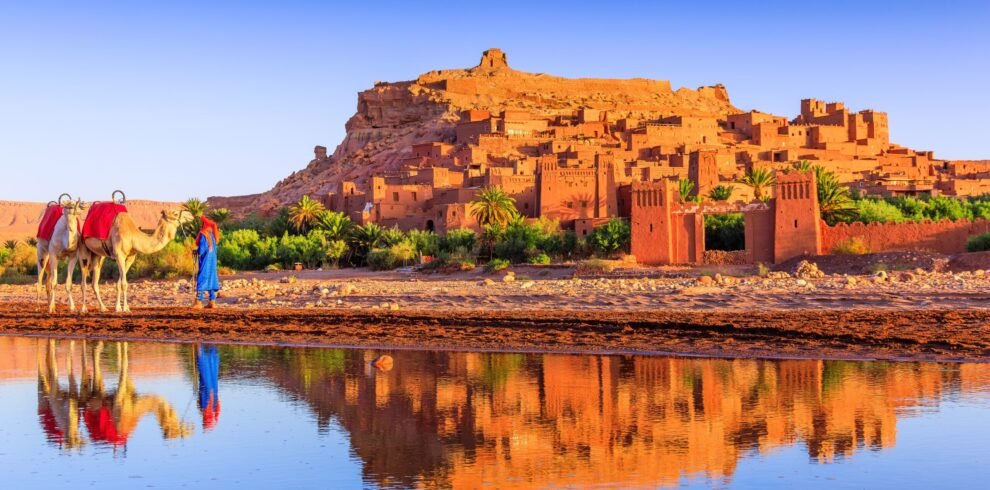
- The Desert: Temperatures in the Sahara are bearable during the day and not freezing at night.
- Heads Up: This is peak season. Popular spots like the Majorelle Garden in Marrakech will be crowded, and prices for Riads may be higher.
2. Summer (June to August): The Heat and the Coast
The ideal time for: Beach lovers and coastal escapes.
Let’s be honest: Moroccan summers are intense. In interior cities like Marrakech and Fes, temperatures frequently exceed 40°C (104°F). The heat in the Sahara is dangerous for those not acclimatized.
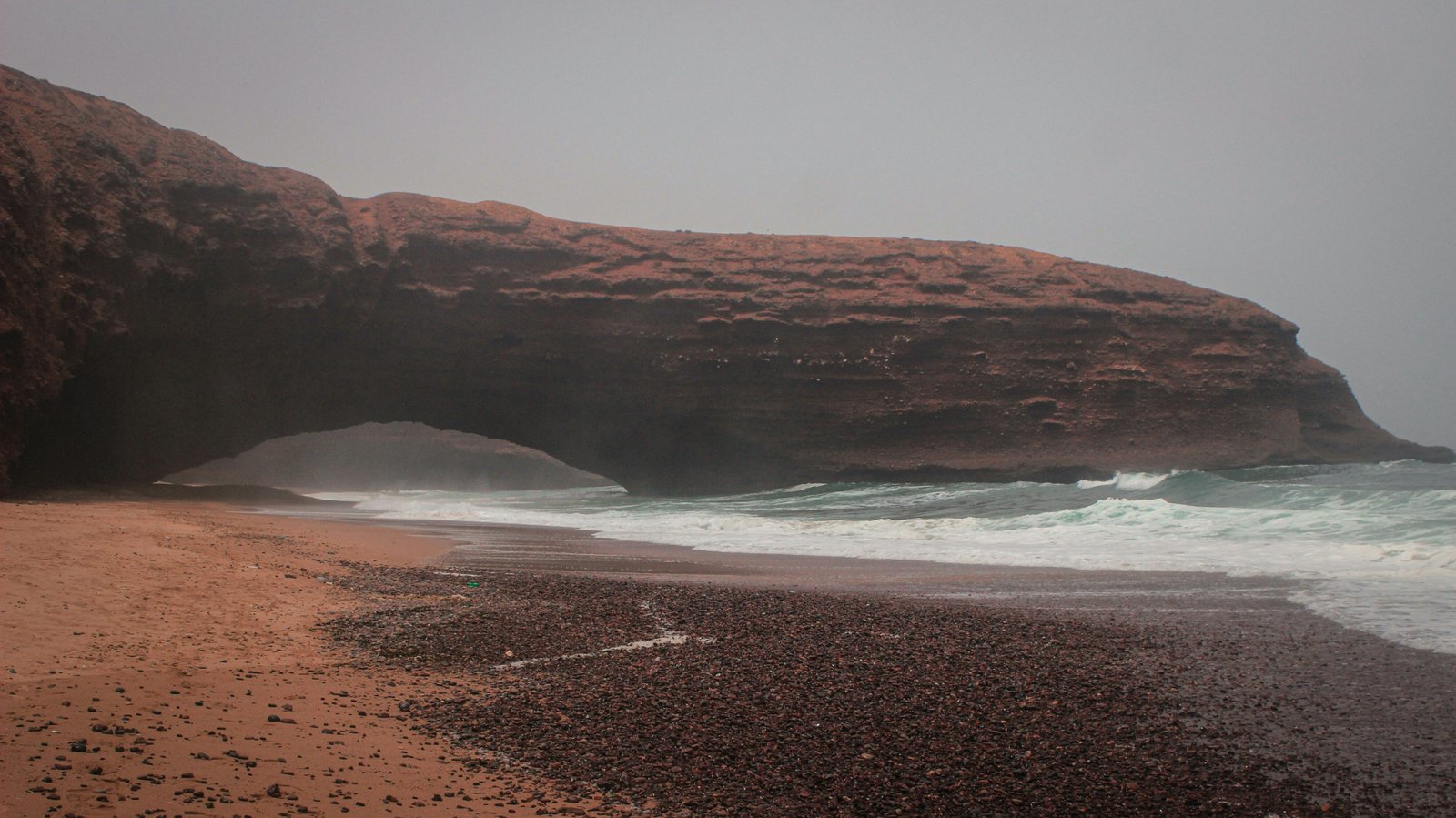
However, the Atlantic and Mediterranean coasts are delightful.
- The Vibe: Breezy, relaxed, and full of domestic tourists escaping the interior heat.
- The Weather: Scorching inland, mild and windy on the coast.
- Where to Go:
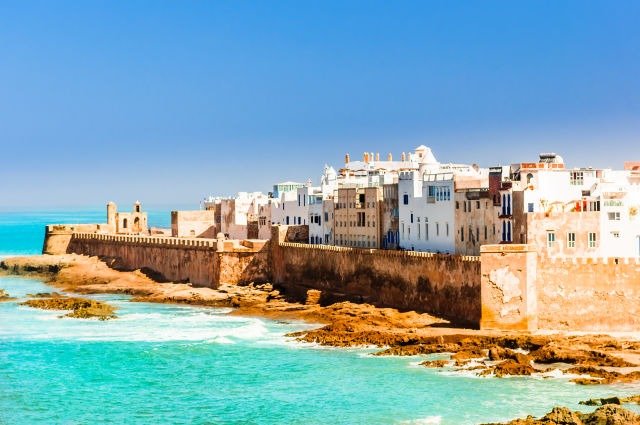
- Essaouira: Known as the “Windy City,” it remains cool (around 25°C/77°F) even in July.
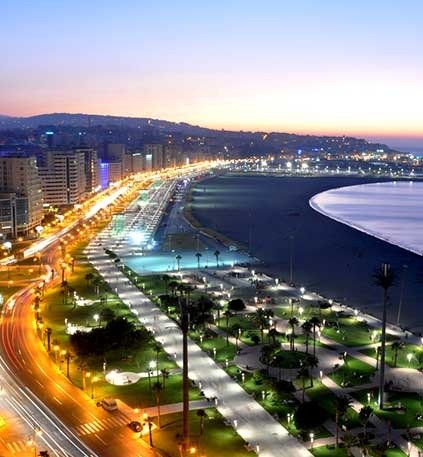
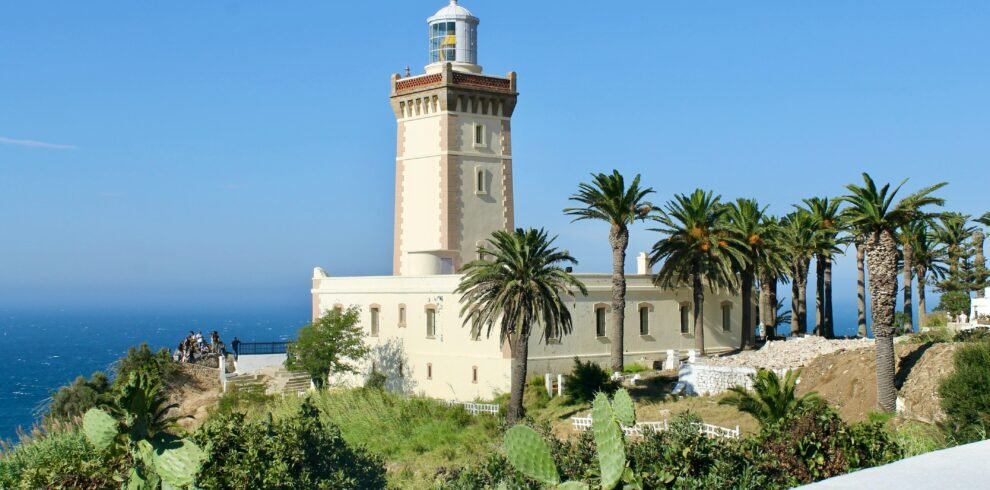
- Tangier & Asilah: The north offers a Mediterranean climate perfect for beach days.
- Travel Tip: If you must visit Marrakech in summer, plan your activities for early morning and late evening. Spend the afternoon by your hotel pool or in a cool museum.
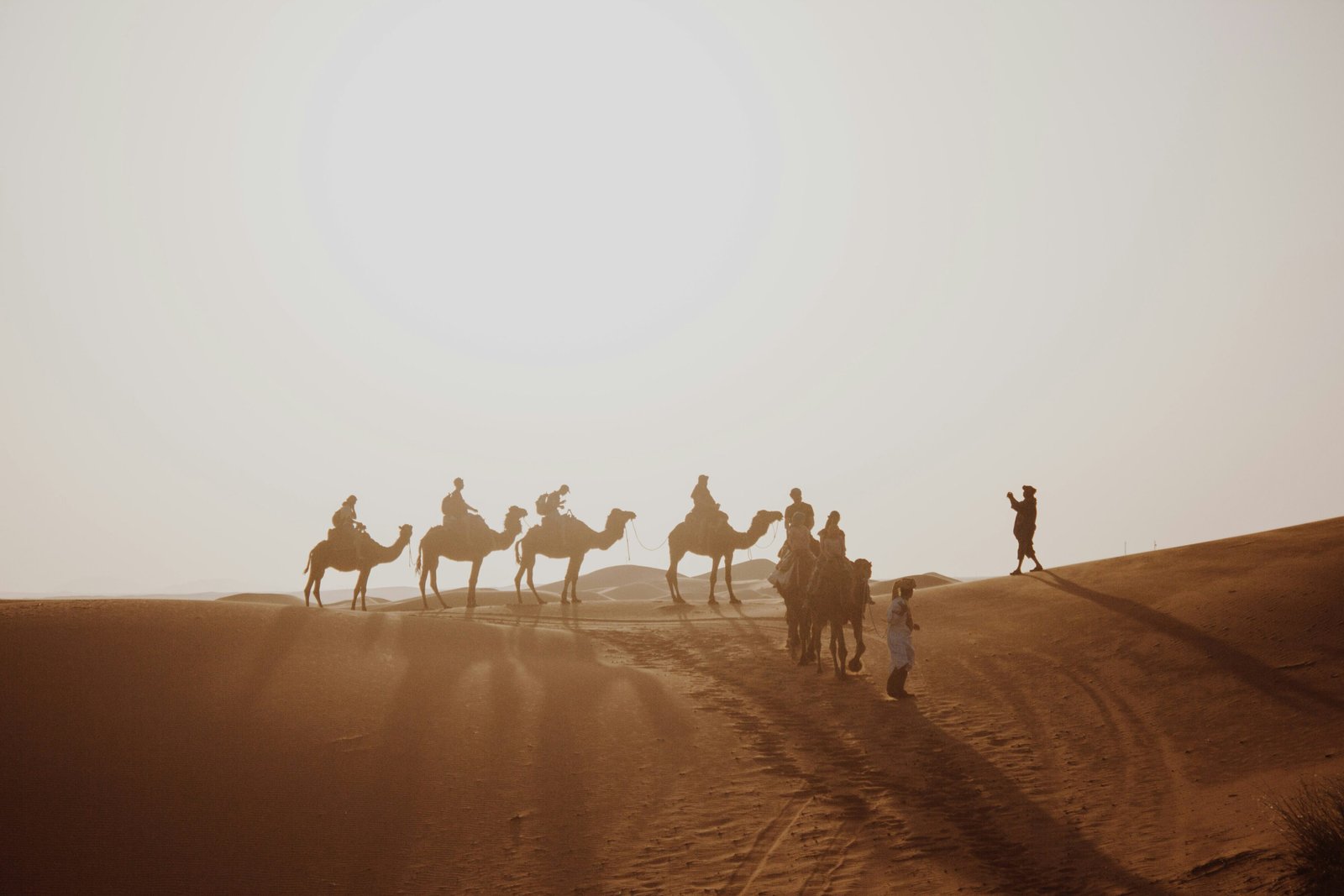
3. Autumn (September to November): The Golden Hour
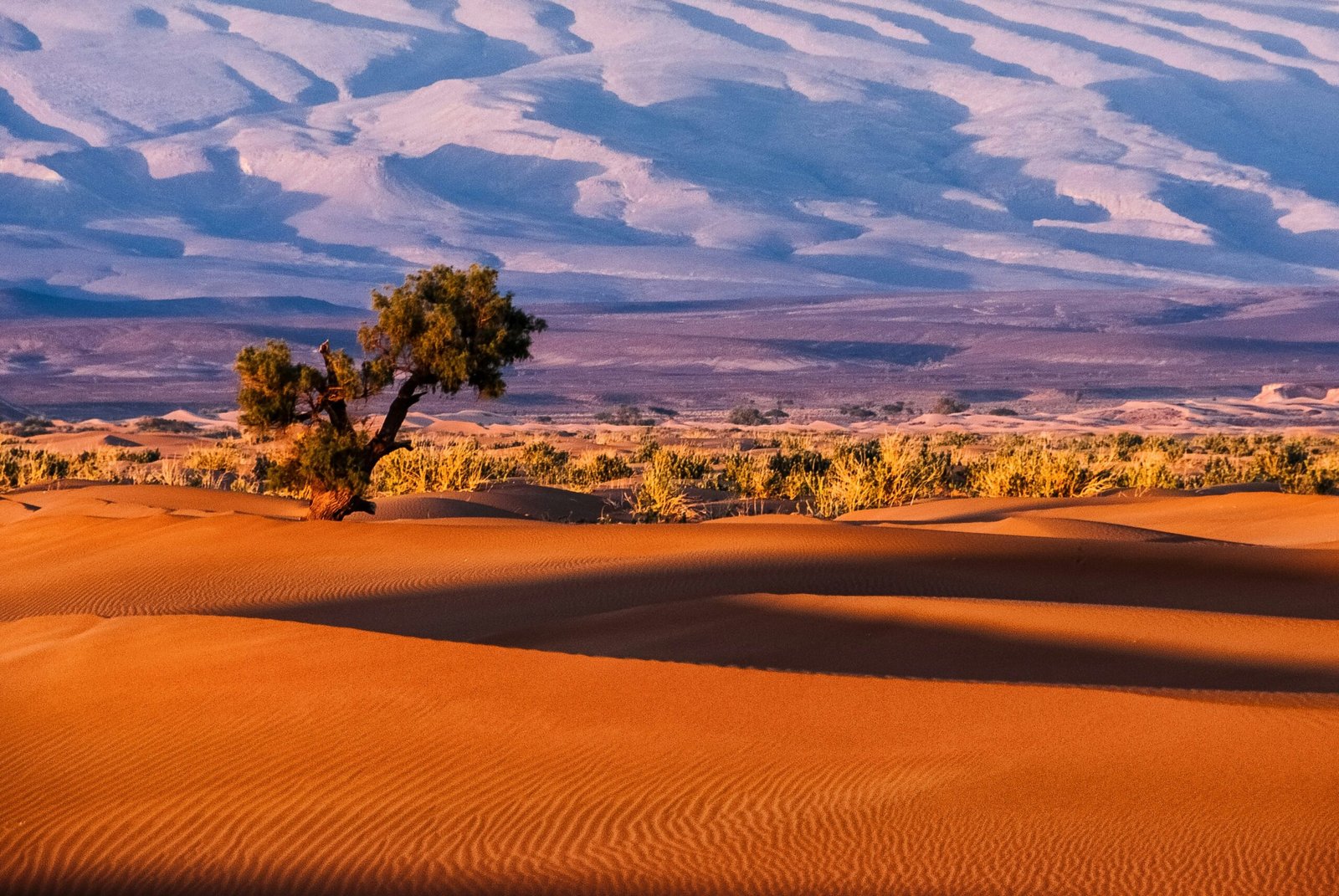
The ideal time for: Desert explorations and photographers.
As the summer heat breaks, the country breathes a sigh of relief. The air becomes crisp, and the light takes on a golden quality that photographers love.
- The Vibe: Romantic and serene.
- The Weather: Similar to spring, but drier. The sea is still warm enough for swimming in September and early October.
- Highlights:
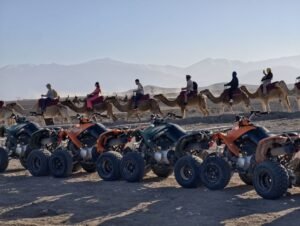
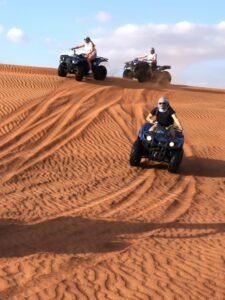
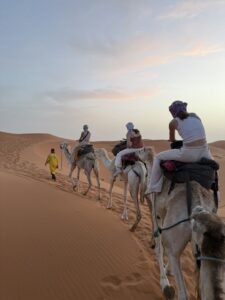
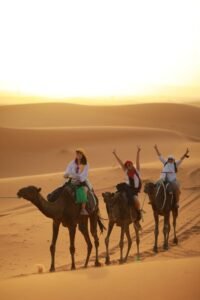
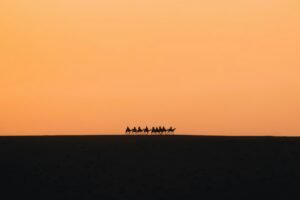
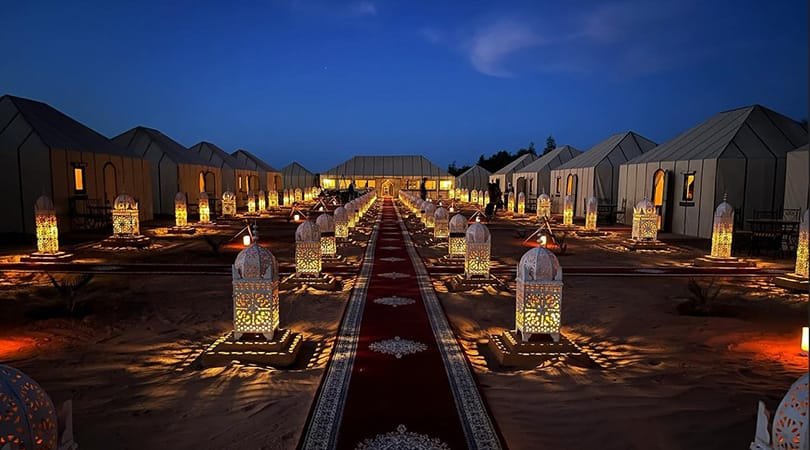
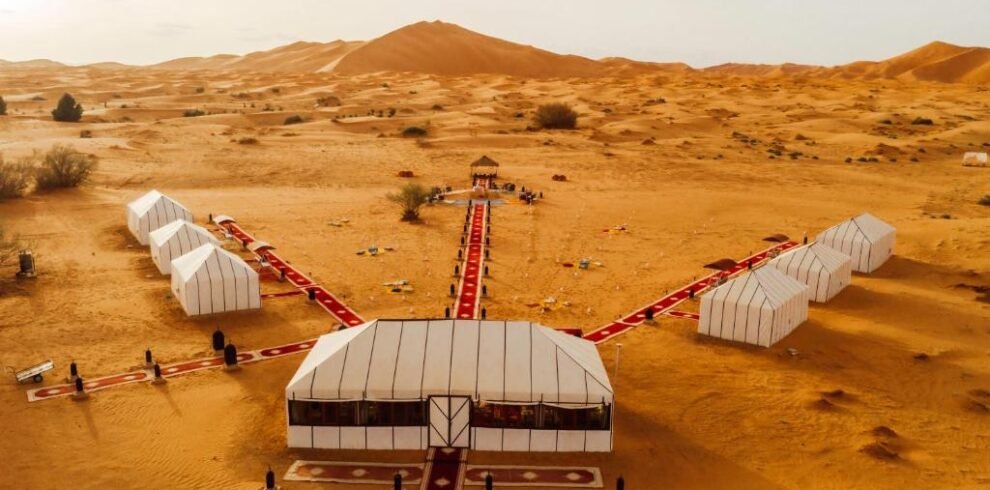
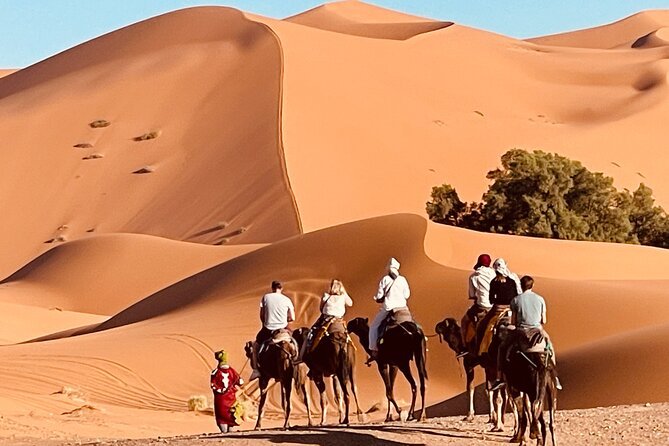
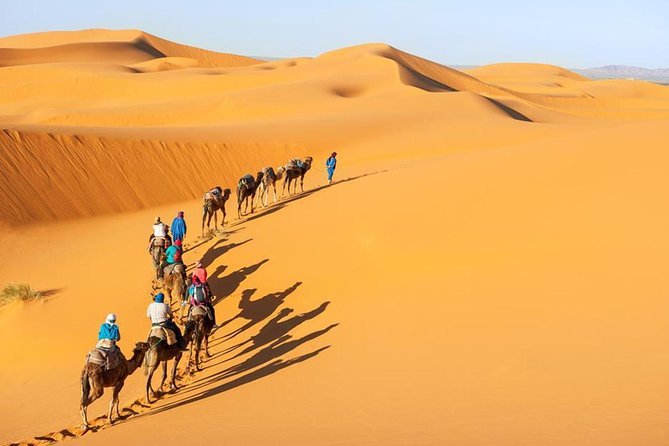
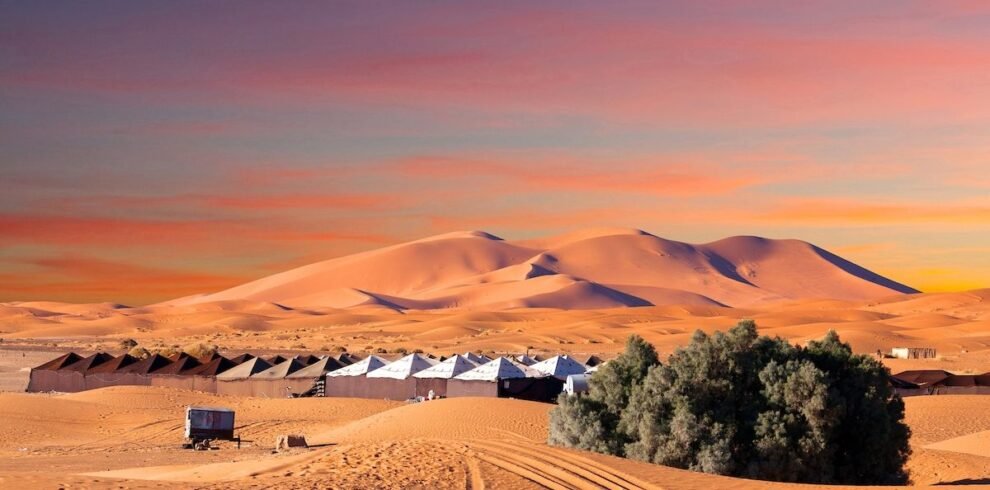
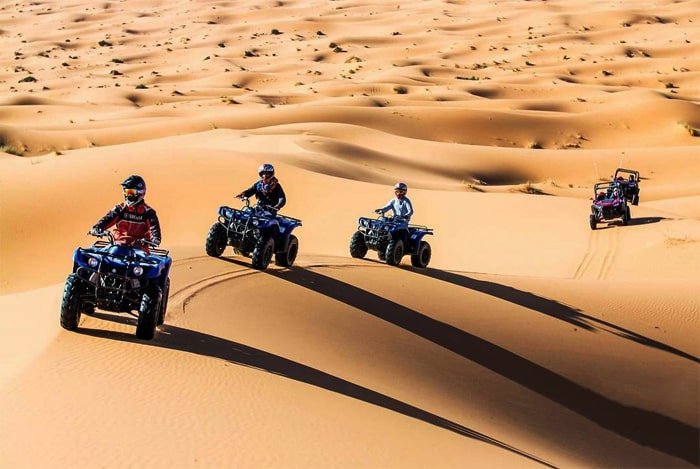
- The Sahara Desert: This is arguably the best time for a desert trek. The skies are crystal clear for stargazing.
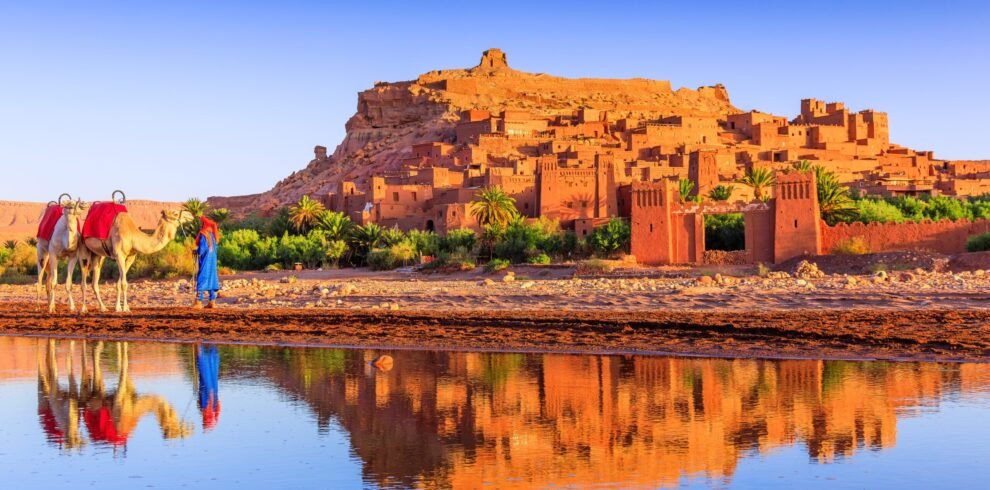
- Date Harvest: Seeing the date palms being harvested in the southern oases is a unique cultural experience.
4. Winter (December to February): The Cozy Surprise
The ideal time for: Cultural immersion, skiing, and budget travel.
Morocco in winter is a secret gem. While you won’t be tanning by the pool, you will enjoy blue skies and crisp air without the crowds.
- The Vibe: Quiet and atmospheric.
- The Weather: Days are often sunny (15°C–20°C / 59°F–68°F in Marrakech), but nights are cold.
- Highlights:
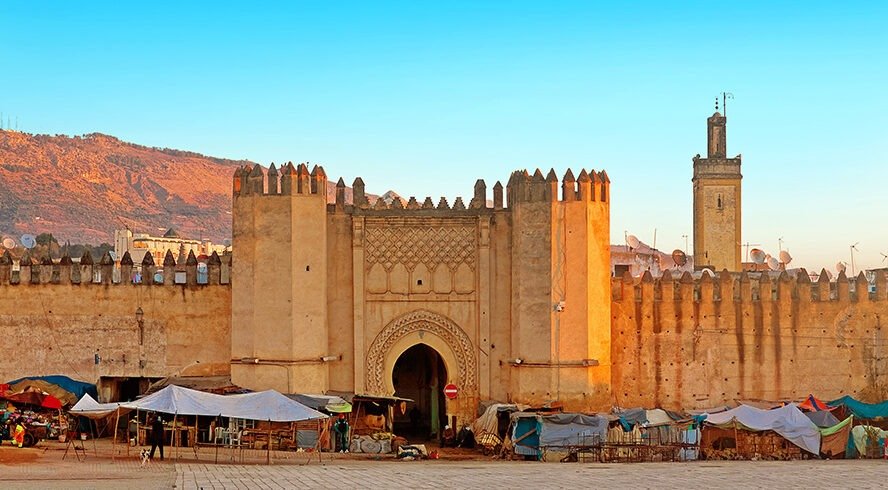
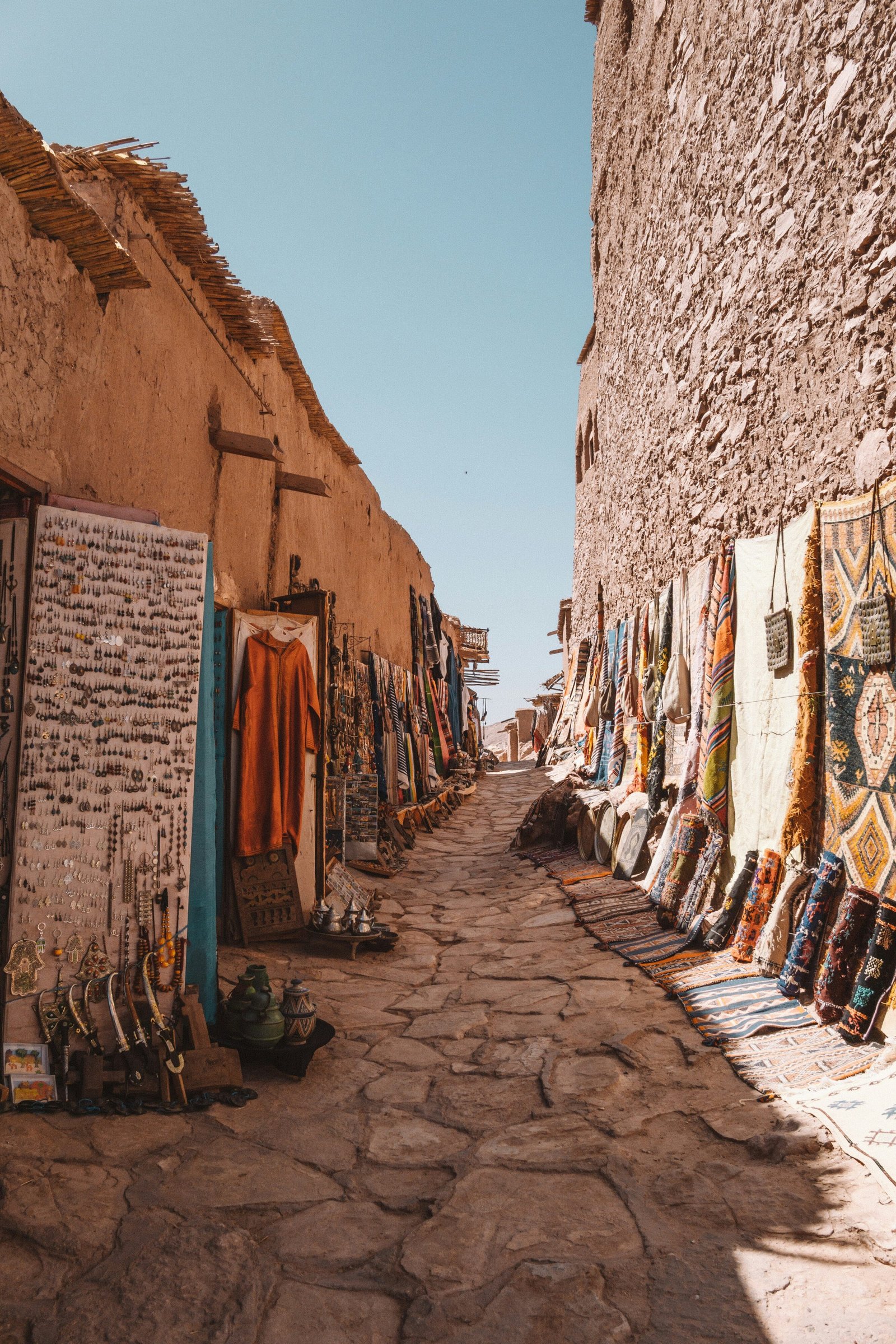
- Marrakech & Fes: Perfect for exploring the Medinas without sweating.
- Skiing: Oukaïmeden, near Marrakech, offers the rare chance to ski in Africa.
- Important: Most traditional Riads do not have central heating (though they will have heaters/AC units). Bring warm pajamas and a good jacket. The desert reaches freezing temperatures at night—pack thermal layers!
5. A Note on Ramadan and Festivals
Beyond the weather, cultural events can dictate your timing.
Visiting During Ramadan
Ramadan is the holy month of fasting (dates shift by ~11 days each year).
- The Pros: It is a deeply spiritual time. Evenings are festive as the fast is broken (Iftar).
- The Cons: Many restaurants close during the day. Eating, drinking, or smoking in public during daylight hours is culturally insensitive. Sites may close early.
- Verdict: Fascinating for cultural travelers, but requires patience.
Key Festivals
- Festival of Roses (May): Held in Kelaat M’Gouna, celebrating the rose harvest.
- Gnaoua World Music Festival (June): A massive music festival in Essaouira filling the streets with soulful African rhythms.
- Fes Festival of World Sacred Music (June): A spiritual and musical gathering in the ancient city.
6. Summary: When Should You Book?
- Go in Spring if you want to see Morocco in full bloom and hike the mountains.
- Go in Autumn if you want the perfect Sahara desert experience.
- Go in Winter if you want to avoid crowds and save money on accommodation.
- Go in Summer only if you plan to stick to the coast.
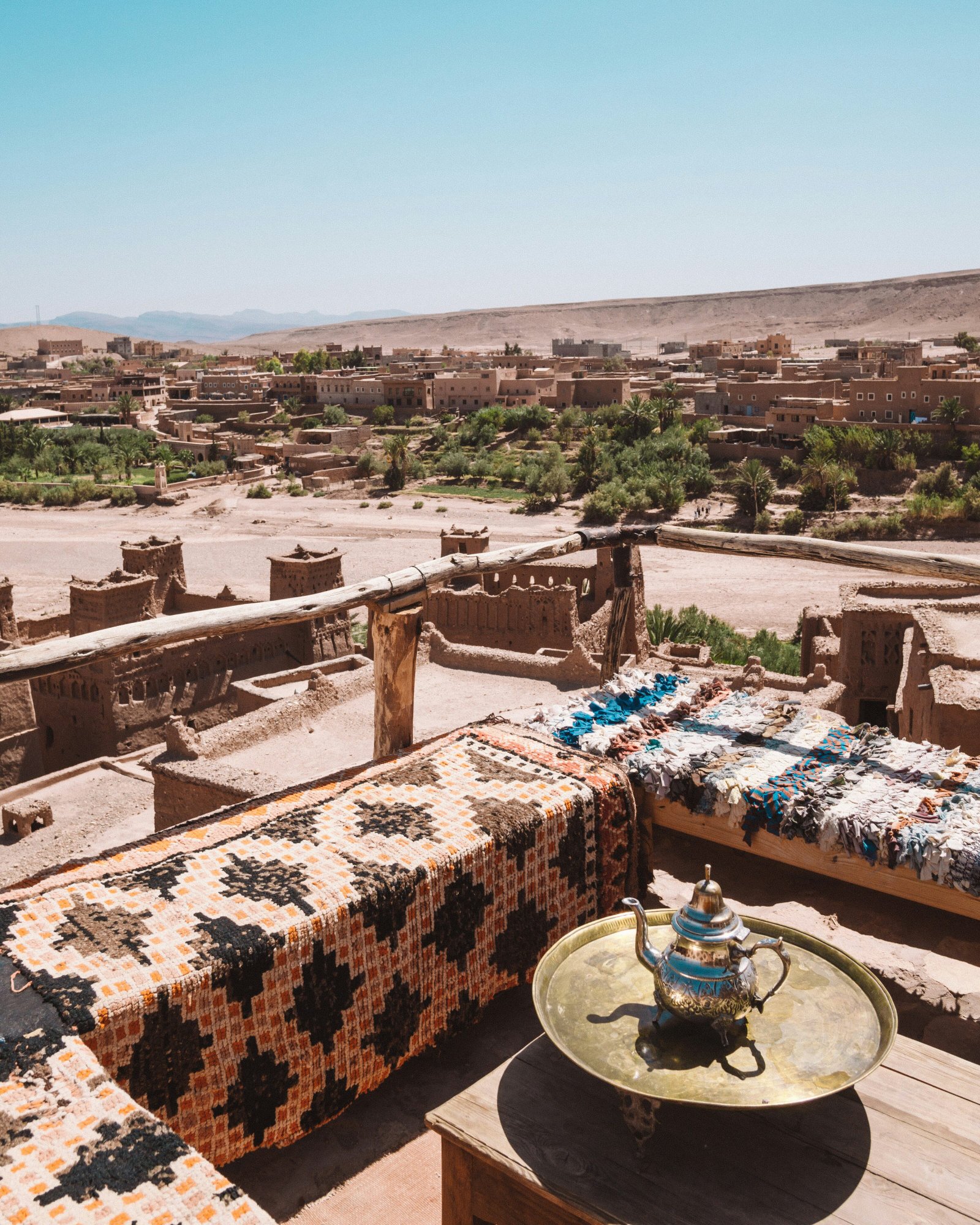
Morocco is a year-round destination; it simply wears a different face each season. Whenever you choose to travel, the tea will be sweet, and the welcome will be warm.
Ready to pick your dates? Check out our seasonal Morocco Travel Packages to find the itinerary that suits your schedule.