Author name: ismail

Tours in Morocco

Casablanca Travel Guide: Is the White City Worth Visiting in 2026?

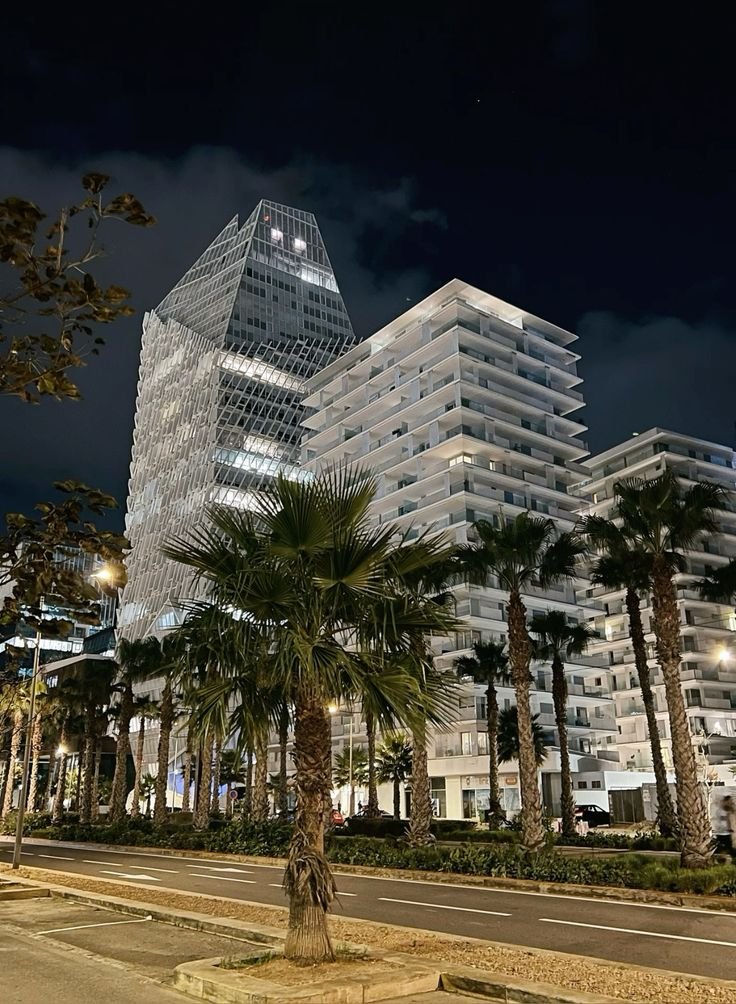
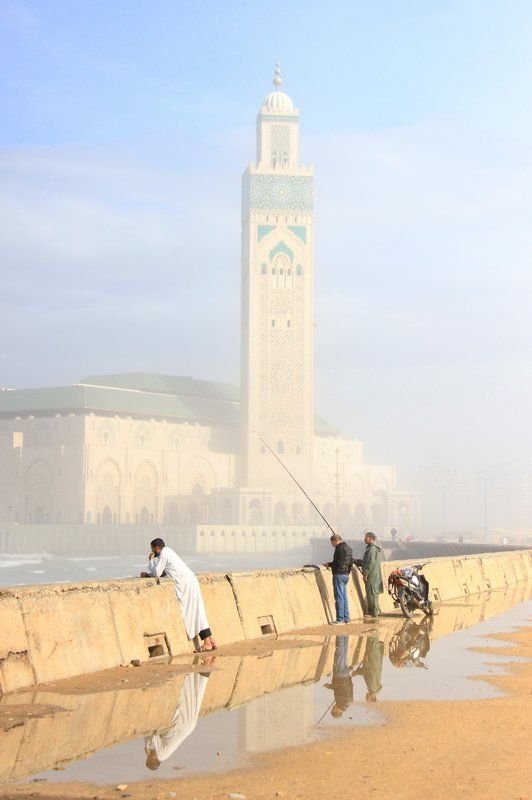
By [marrakech-history] Editorial TeamLast Updated: December 10, 2025 Mention “Casablanca,” and most people drift into a black-and-white reverence for Humphrey Bogart and Ingrid Bergman. They imagine a romantic, misty outpost of spies and lovers. The reality of modern Casablanca (known locally as Casa) is vastly different. It is the economic lung of Morocco—a sprawling, white-washed metropolis of 4 million people, traffic jams, art deco masterpieces, and Atlantic breezes. For many first-time travelers planning their 2026 itineraries, Casablanca poses a dilemma: Is it just a transit hub, or is it a destination worth exploring? The short answer: Yes, it is absolutely worth it—if you know where to look. Casablanca offers a side of Morocco you won’t find in the medieval streets of Fes or the tourist hubs of Marrakech. It is cosmopolitan, gritty, and undeniably impressive. Here is your essential guide to the White City. 1. The Verdict: Why You Should Stay (Briefly) If you are looking for “1001 Nights” exoticism, head to Marrakech. But if you want to see the modern face of Morocco, spend 24 to 48 hours in Casablanca. 2. The Crown Jewel: Hassan II Mosque If you see only one thing in Casablanca, let it be this. Completed in 1993, the Hassan II Mosque is a feat of engineering and faith. Perched on a promontory over the Atlantic Ocean, it features the world’s second-tallest minaret (210 meters), fitted with a laser that points toward Mecca. 3. The Neighborhoods: Where to Walk Casablanca is huge, but the interesting parts are concentrated. The Art Deco District (Downtown) Walk around Place Mohammed V and the Boulevard Mohammed V.In the 1930s, Casablanca was a playground for avant-garde French architects. Look up above the storefronts to see stunning white curves, floral friezes, and geometric balconies. It is a unique blend of Moroccan tradition and European modernism. The Habous Quarter (The “New” Medina) Skip the “Old Medina” near the port (which is gritty and largely residential) and head to the Habous.Built by the French in the 1920s to solve housing shortages, it is a charming, idealized version of a traditional medina. The Corniche (Ain Diab) This is the city’s “boardwalk.” It’s a long, palm-lined strip along the ocean. In the evenings, it fills with families walking, joggers, and young people heading to the beach clubs. It’s the perfect place to watch the sunset over the Atlantic. 4. Dining: Is “Rick’s Café” a Tourist Trap? Every first-timer asks about Rick’s Café. For a more local experience, head to the Central Market for fresh oysters or grilled fish, or dine at La Sqala, set in an 18th-century fortified bastion. 5. Logistics: Getting In and Out Casablanca is the travel hub of the country. 6. Safety & Practical Tips for 2026 Final Thoughts Casablanca is often misunderstood. It doesn’t have the fairy-tale charm of the blue walls of Chefchaouen or the chaotic magic of the Fes souks. Instead, it offers something arguably more important: Perspective. Standing in the shadow of the Hassan II Mosque with the Atlantic waves crashing below is one of the most majestic experiences in North Africa. It is a city of contrasts, of ambition, and of hidden beauty. It is absolutely worth a day of your time. Planning your Moroccan arrival?Most of our grand tours begin here. Check out our [Grand Morocco Tour] to start your journey in the White City
Tours in Morocco

The Ultimate Guide to Chefchaouen: Morocco’s Magical Blue Pearl (2026 Edition)

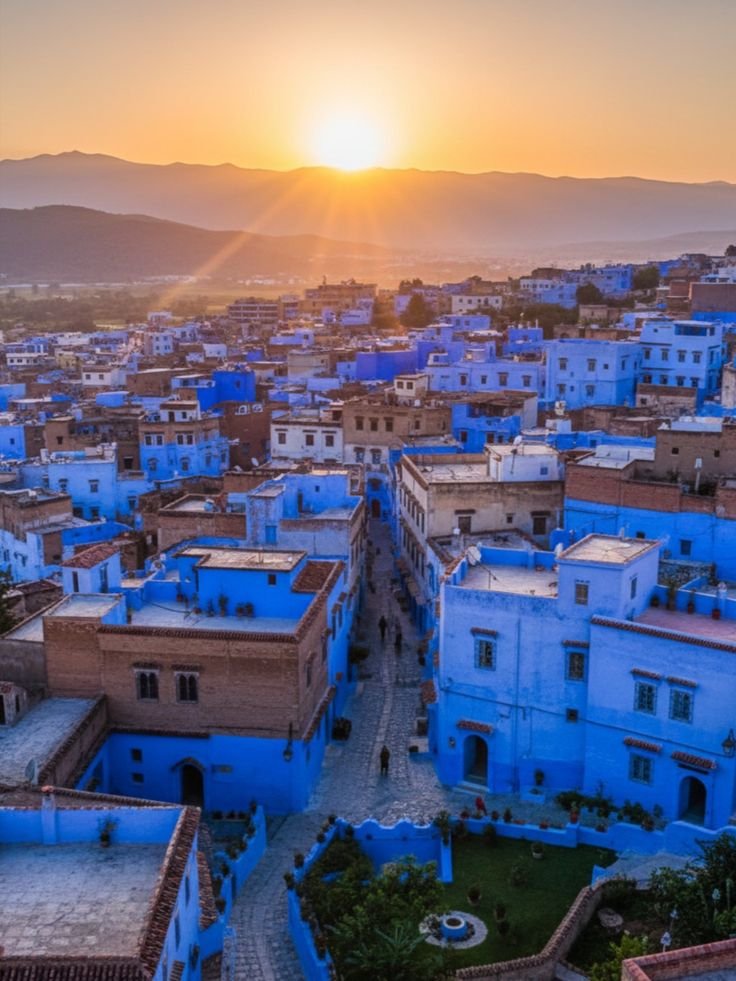
By [marrakech-history] Editorial TeamLast Updated: December 10, 2025 Nestled high in the Rif Mountains, far from the frenetic energy of Marrakech and the ancient intensity of Fes, lies a town that feels like a dream. Chefchaouen (often shortened to “Chaouen“) is world-famous for one striking feature: it is painted entirely in varying shades of blue. From powder-blue steps to indigo doors and cobalt archways, the entire medina looks like it has been submerged in the ocean. For the first-time traveler, Chefchaouen offers something rare: peace. It is a place to slow down, breathe fresh mountain air, and take the most beautiful photos of your life. Whether you are visiting this winter or planning a spring 2026 adventure, here is your essential guide to the Blue City—what to see, how to get there, and the hidden gems most tourists miss. 1. The Mystery: Why is Chefchaouen Blue? Before you start exploring, you will want to know the answer to the most common question: Why? There are several theories, and the truth is likely a mix of them all: 2. How to Get There (The 2025 Logistics) Chefchaouen is isolated in the mountains. There is no train station and no nearby airport. This isolation is part of its charm, but it requires planning. 3. Top Things to Do: Exploring the Blue Maze Unlike the hustle of other Moroccan cities, there is no “rush” here. Wander the Medina Without a Map The Medina of Chefchaouen is small and relatively easy to navigate. The goal here is simply to get lost. Hike to the Spanish Mosque for Sunset This is the absolute best thing to do in Chefchaouen.The Spanish Mosque sits on a hill overlooking the town. It was built in the 1920s but never used. The hike is an easy 20-30 minute walk from the eastern gate near the river. Cool Off at Ras El Maa Waterfall Located just outside the Medina walls, this is where the fresh mountain water cascades into town. It is a local gathering spot where women still wash clothes and carpets in the cold river water, and locals drink tea with their feet in the stream. Visit the Kasbah Museum In the main square (Plaza Uta El-Hammam), you will find the red-walled Kasbah. Inside is a lovely Andalusian garden, an old prison, and a small museum. The tower offers a fantastic view of the square below. 4. Day Trip: The Bridge of God (Akchour) If you love nature, you must dedicate one day to Akchour.Located a 45-minute taxi ride from Chefchaouen, this national park features incredible hiking trails. 5. Shopping: What to Buy in the Rif The crafts here are different from the rest of Morocco. 6. Trustworthy Travel Tips: The “Kif” Culture We believe in honest travel advice. Chefchaouen is located in the heart of Morocco’s cannabis-growing region. 7. Where to Eat Final Thoughts Chefchaouen is more than just a backdrop for Instagram. It is a breath of fresh air. It is the perfect “vacation from your vacation” after the intensity of Fes or Marrakech. The blue walls may be what draw you in, but the relaxed mountain pace and the kindness of the locals are what will make you stay. Dreaming of the Blue City?Explore our [Northern Morocco Itineraries] to combine Chefchaouen with Tangier and Fes for the perfect 2026 trip.

Tours in Morocco

The Ultimate Guide to Fes Medina: Best Attractions & Hidden Gems in 2026

By [marrakech-history] Editorial TeamLast Updated: December 10, 2025 If Marrakech is the beating heart of Morocco, Fes is its soul. Entering Fes el-Bali (the Old Medina) is the closest you will ever come to actual time travel. It is the largest car-free urban zone in the world—a UNESCO World Heritage site consisting of over 9,000 winding alleyways, some so narrow that two people cannot pass abreast. For the first-time traveler, Fes is intense, “authentic,” and utterly magical. It is a place where donkeys still haul goods, where the rhythmic tapping of copper beaters provides the soundtrack, and where scholars have studied for over a thousand years. Whether you are visiting in the final days of 2025 or planning an adventure for 2026, this guide will help you navigate the labyrinth with confidence. Here are the best things to see, do, and experience in the spiritual capital of Morocco. 1. Know Before You Go: Surviving the Labyrinth Fes is not built on a grid; it is a chaotic, organic web. To enjoy it, you must adjust your mindset. 2. Top Attractions: The Must-See Icons These are the landmarks that put Fes on the map. They are non-negotiable for a first trip. Bab Bou Jeloud (The Blue Gate) This is your entry point. The massive horseshoe arch is tiled with Fes blue on the outside (welcoming you) and Islam green on the inside (representing peace). It is the perfect spot for your first photo. The Chouara Tannery This is the most iconic image of Fes: vast stone vessels filled with colorful dyes, where men stand waist-deep working the skins exactly as they did in the 11th century. Al-Qarawiyyin University Founded in 859 AD by a woman, Fatima al-Fihri, this is recognized by UNESCO as the oldest existing, continually operating educational institution in the world. Al-Attarine & Bou Inania Madrasas Since you cannot enter Al-Qarawiyyin, visit these ancient schools (Madrasas) instead. They are masterpieces of Marinid architecture. The Bou Inania Madrasa is unique because it also functions as a congregational mosque, meaning it has a minaret. The zellige (tilework) and carved cedar wood here are among the finest in the country. 3. Hidden Gems: Escape the Crowds Once you have seen the icons, dive deeper to find the quiet magic of Fes. The Ruined Garden Tucked away in the medina, this restaurant is set in the remains of an old merchant’s house. It is an open-air oasis of crumbling walls, lush plants, and chirping birds. It feels like a secret garden and serves incredible fresh lunches. Funduq al-Nejjarine (Wood Arts & Crafts Museum) Many tourists walk right past this. A Funduq was an ancient inn for traveling caravans. This one has been beautifully restored into a museum. The rooftop terrace offers one of the best panoramic views of the Medina, and it’s usually empty. Jnan Sbil Gardens Just outside the Medina walls lies a manicured botanical garden. If the chaos of the souks becomes too much, this is your sanctuary. It features bamboo groves, fountains, and peacocks—a perfect breath of fresh air. 4. Shopping: The Capital of Craftsmanship Fes is the artisan capital of Morocco. If you are going to buy souvenirs, buy them here rather than Marrakech. The quality is generally higher and the prices lower. 5. Food & Dining: A Taste of History Fassi (from Fes) cuisine is considered the “haute cuisine” of Morocco. 6. Trustworthy Travel Tips: Avoiding the “Faux Guides” Fes has a reputation for “hassle.” Here is the honest truth and how to handle it in 2025/2026. Final Thoughts Fes is not a city that reveals itself easily. It requires patience. But if you linger over a mint tea on a rooftop while the call to prayer washes over the city, you will feel the ancient pulse of Morocco. It is an unforgettable experience that stays with you long after you leave. Ready to explore the ancient world?Browse our [Fes & North Morocco Itineraries] or contact us to book a [Licensed Heritage Tour] today.

Tours in Morocco

Marrakech Travel Guide: What to See, Do, and Eat in the Red City

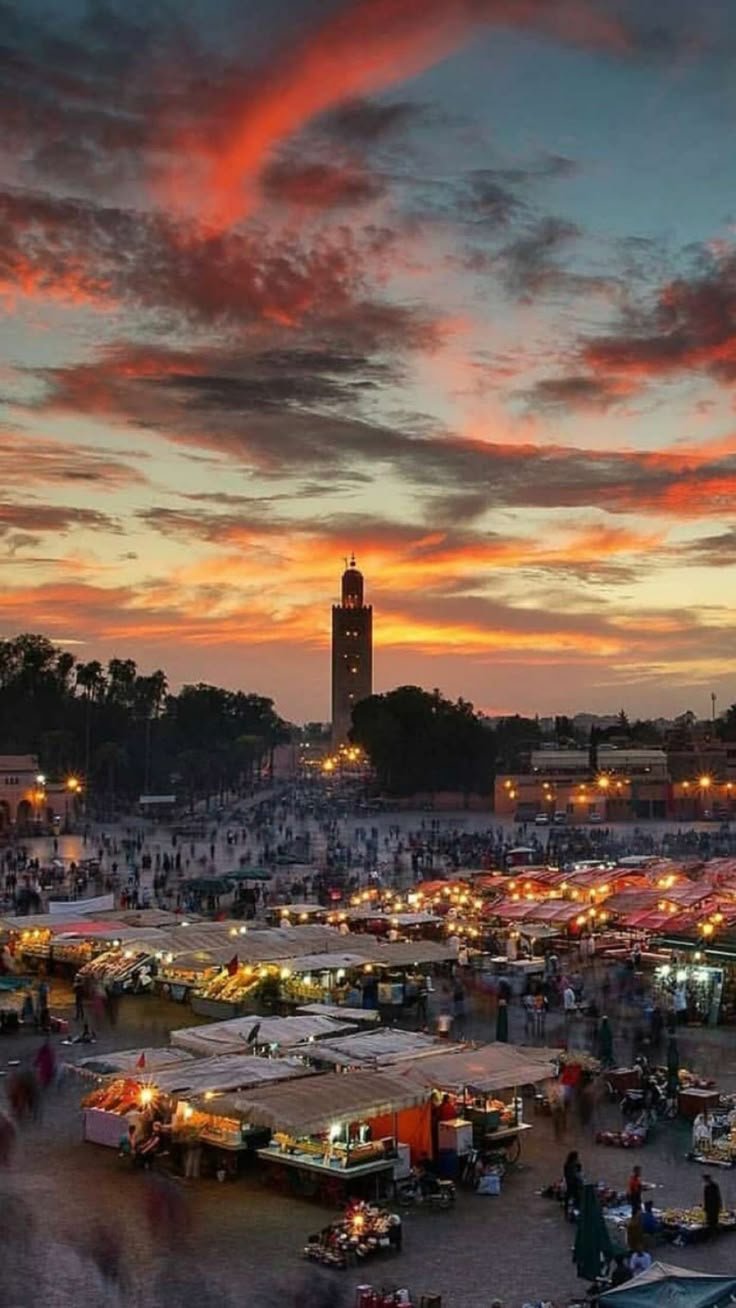
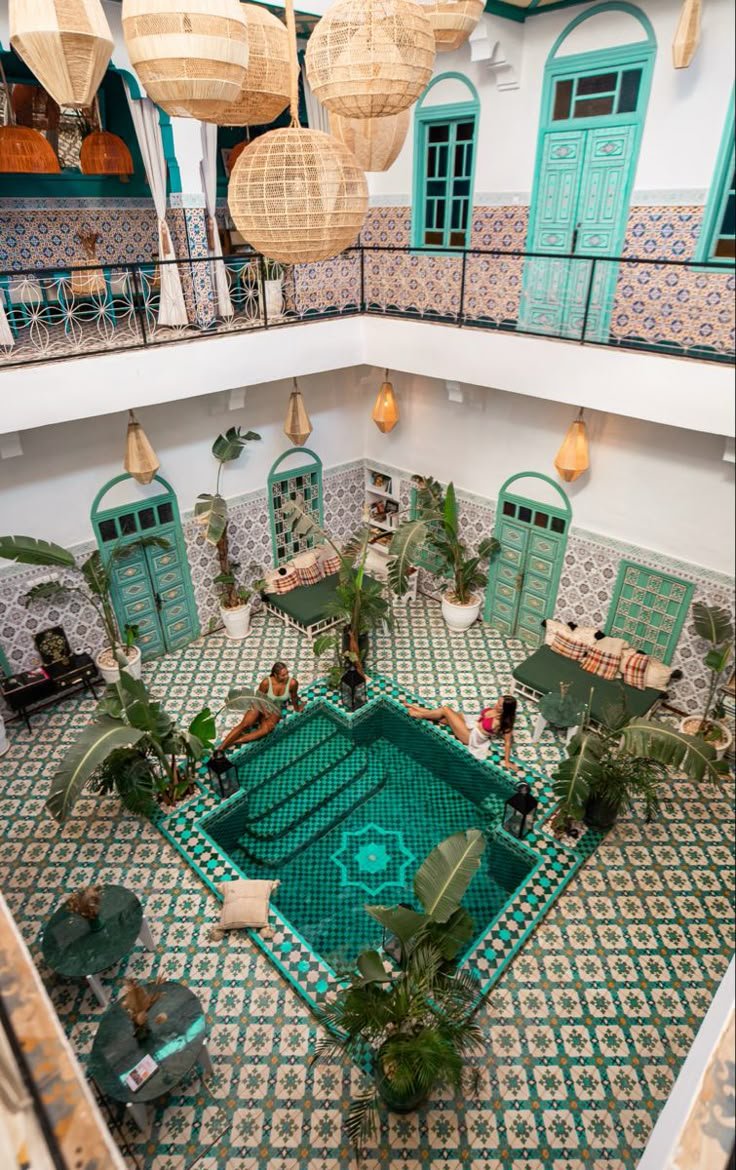
By [marrakech-history] Editorial TeamLast Updated: December 2025 Marrakech is not just a destination; it is an immersion. It is a city where the scent of burnt amber and orange blossom hangs heavy in the air, where donkey carts jostle with scooters in narrow alleyways, and where the call to prayer echoes off ancient ochre walls. For the first-time traveler, Marrakech can be a dizzying, sensory overload. It is chaotic, charismatic, and utterly captivating. Whether you are planning a trip for late 2025 or looking ahead to 2026, this guide cuts through the noise. From navigating the labyrinthine souks to finding the perfect tagine, here is everything you need to see, do, and eat in Morocco’s most iconic city. 1. Know Before You Go: Marrakech Essentials Before you dive into the Medina, here are the logistics you need to master. 2. What to See: The Architectural Icons Marrakech is a historian’s dream. If you only have time for the highlights, prioritize these four sites. Jemaa el-Fnaa: The Heartbeat of the City By day, this vast square is a sober market of orange juice vendors and snake charmers. At sunset, it transforms into the world’s most raucous open-air theater. Smoke rises from hundreds of food stalls, musicians play Gnawa beats, and storytellers gather crowds. It is UNESCO-recognized and absolutely unmissable. Jardin Majorelle & The YSL Museum A shock of electric blue in a city of earth tones, this garden was created by French painter Jacques Majorelle and saved by Yves Saint Laurent. It is a botanical masterpiece featuring cacti from around the world. Ben Youssef Madrasa Recently reopened after years of restoration, this is the finest example of Islamic architecture in Marrakech. Founded in the 14th century, it was once the largest Islamic college in North Africa. The intricate zellige tilework, carved cedar wood, and serene central courtyard are breathtaking. Bahia Palace “Bahia” means “brilliance,” and this 19th-century palace lives up to the name. It is a sprawling complex of 150 rooms, showcasing floor-to-ceiling Moroccan craftsmanship. The Grand Courtyard, with its vast marble floor, is a photographer’s dream. 3. What to Do: unforgettable Experiences Sightseeing is one thing; experiencing Marrakech is another. Get Lost in the Souks The Medina is a maze of over 3,000 winding alleyways. Scrub Down in a Traditional Hammam The Hammam is a weekly ritual for locals. It involves steaming, an exfoliating scrub with black soap (sabon beldi) and a kessa glove, and a clay mask. Take a Vintage Sidecar Tour For a different perspective, book a tour with Marrakech Insiders. You zip through the Medina and the Palm Grove in a vintage Ural sidecar. It’s arguably the coolest way to see the city and access areas cars can’t reach. 4. What to Eat: A Gastronomic Journey Moroccan cuisine is world-famous, but the best food isn’t always in the fanciest restaurants. Must-Try Dishes Top Dining Recommendations 5. Where to Stay: Riad vs. Hotel If it is your first time, stay in a Riad.Riads are traditional Moroccan houses with an interior garden or courtyard. From the outside, they look like plain walls; inside, they are architectural sanctuaries. 6. Safety & Etiquette for First-Timers Final Thoughts Marrakech is a city that rewards curiosity. It requires a little patience and a sense of humor, but in return, it gives you memories that vibrate with color and life. Ready to plan your Moroccan escape?Check out our [Classic Imperial Cities Tour] or browse our [Hand-Picked Riad Collection] to book your stay today.

Tours in Morocco

The Ultimate First-Timer’s Guide to Morocco Travel (2025 Edition)

By [marrakech-history] Imagine a land where the scent of cumin and orange blossom lingers in the air, where ancient medinas hum with the energy of a thousand artisans, and where the silence of the Sahara Desert is so profound it touches your soul. Welcome to Morocco. For travelers planning their first trip in 2025, Morocco offers a dizzying blend of the ancient and the modern.[2] It is a country of contrasts—snow-capped Atlas peaks looming over sun-baked dunes, and donkey carts sharing the road with modern trams. But for the uninitiated, it can also be overwhelming.[3] This guide is your compass. From the latest 2025 entry requirements to hidden gems known only to locals, here is everything you need to know to explore the Kingdom of Light with confidence. 1. Know Before You Go: Essential 2025 Travel Tips Before you book your riad, let’s handle the logistics. Being prepared is the key to a stress-free Moroccan adventure. Visa & Entry Requirements (2025 Update) Morocco remains one of the most accessible destinations for English-speaking travelers. Is Morocco Safe for Tourists? Yes. Morocco is politically stable and one of the safest countries in North Africa for travelers. Tourism is a vital part of the economy, and the government takes visitor safety seriously. Best Time to Visit 2. Unmissable Destinations for Your First Trip If this is your first time in Morocco, these iconic stops form the perfect “Imperial Cities and Desert” route. Marrakech: The Red City Marrakech is a sensory overload in the best possible way.[1][2] Fes: The Soul of Morocco Older and more traditional than Marrakech, Fes is the cultural and spiritual heart of the country.[1] The Sahara Desert (Merzouga) No photo can prepare you for the scale of the Erg Chebbi dunes. Chefchaouen: The Blue Pearl Nestled in the Rif Mountains, this town is famous for its blue-washed buildings.[2][4] It is arguably the most photogenic spot in the country. 3. Go Beyond the Guidebook: Hidden Gems & Authentic Experiences The “Instagrammable” spots are beautiful, but the true magic of Morocco lies off the beaten path. In 2025, the trend is shifting toward slow travel and authenticity. Akchour Waterfalls: Nature’s Paradise Skip the crowded Ouzoud Falls and head north near Chefchaouen to Akchour. A hike here takes you through lush green gorges to the “Bridge of God,” a stunning natural rock arch, and crystal-clear emerald pools perfect for swimming. The Painted Rocks of Tafraoute Located in the Anti-Atlas mountains, Tafraoute is a surreal landscape of pink granite boulders. In 1984, a Belgian artist painted several massive rocks in vivid blues and pinks. It’s a bizarre and beautiful contrast to the stark desert landscape and remains refreshingly free of mass tourism.[5] Skoura Oasis: The Palm Grove Sanctuary Instead of rushing through the “Road of 1,000 Kasbahs,” stop in Skoura. It is a massive palm grove dotted with crumbling clay castles. It feels like stepping onto a movie set (and indeed, many Hollywood films were shot nearby). It’s quiet, atmospheric, and deeply authentic.[6] Sustainable Travel Tip Support local communities by visiting women’s cooperatives for Argan oil.[7][8] Ensure they are certified authentic cooperatives where the women share in the profits, rather than tourist traps. The region between Essaouira and Agadir is the best place for this. 4. Cultural Etiquette: Traveling with Respect Moroccans are famous for their hospitality (hospitalité marocaine).[5] You will likely be invited for tea more times than you can count. Here is how to reciprocate that respect: 5. Final Thoughts: Embrace the Unexpected Travel in Morocco is about surrendering to the rhythm of the country. The call to prayer will wake you at dawn; the shopkeeper will insist you sit for tea before buying a rug; the bus might be an hour late. Don’t fight it. Embrace the “Insha’Allah” (God willing) attitude. It is in these unscripted moments—sipping mint tea with a stranger, watching the sky turn purple over the Atlas Mountains—that you will fall in love with Morocco.

Tours in Morocco

Discover the Magic of the White City: The Ultimate Tourism Guide to Casablanca

While Marrakech and Fes often steal the spotlight, tourism in Casablanca offers a unique blend of modern sophistication and deep-rooted tradition that you cannot find anywhere else in North Africa. Known affectionately as “Casa” by locals, Morocco’s economic capital is a bustling metropolis where Art Deco architecture meets the roaring Atlantic Ocean. Whether you are on a layover or planning a dedicated trip, this guide covers the top attractions, hidden gems, and culinary delights that make visiting Casablanca a must-do experience. Why Visit Casablanca? Casablanca is not just a transit hub; it is the cosmopolitan heart of Morocco. It offers a grittier, more authentic urban experience compared to the tourist-centric cities of the south. Here, business mixes with pleasure, and the city’s colonial French legacy provides a stunning architectural backdrop to a modern African city. Top 5 Things to Do in Casablanca If you are looking for the best places to visit in Casablanca, ensure these landmarks are at the top of your itinerary. 1. The Hassan II Mosque No guide to Casablanca tourism is complete without the Hassan II Mosque. It is one of the few mosques in Morocco open to non-Muslims. Perched dramatically over the Atlantic Ocean, it features the second-tallest minaret in the world. 2. The Quartier Habous (New Medina) While the Old Medina has its charm, the Quartier Habous is the true gem for shoppers and architecture lovers. Built by the French in the 1930s to solve housing shortages, it blends traditional Moroccan style with French city planning. It is the perfect place to buy authentic rugs, leather goods, and olive oil without the aggressive sales tactics found in other cities. 3. The Art Deco District Walking through downtown Casablanca feels like stepping onto a movie set. The city has one of the world’s most impressive collections of Art Deco architecture. Start at Place des Nations Unies and walk down Boulevard Mohammed V to see the stunning facades of the 1920s and 30s, including the Wilaya and the Sacred Heart Cathedral. 4. The Corniche (Ain Diab) For those seeking nightlife and ocean breezes, The Corniche is the place to be. This waterfront promenade is lined with luxury beach clubs, restaurants, and swimming pools. It is the perfect spot to watch the sunset over the Atlantic while enjoying a mint tea or a cocktail. 5. Rick’s Café Yes, it is a tourist trap, but it is a delightful one. Recreated to match the bar from the legendary 1942 movie Casablanca, Rick’s Café offers a nostalgic atmosphere, live jazz piano, and excellent continental cuisine. Reservations are highly recommended. A Taste of Casa: Where to Eat Casablanca restaurants are incredibly diverse. Being a port city, the seafood is legendary. Practical Travel Tips for Casablanca Conclusion