Author name: ismail

Tours in Morocco

Epic Agafay Desert Quad Biking: Routes, Views & Ultimate Experience

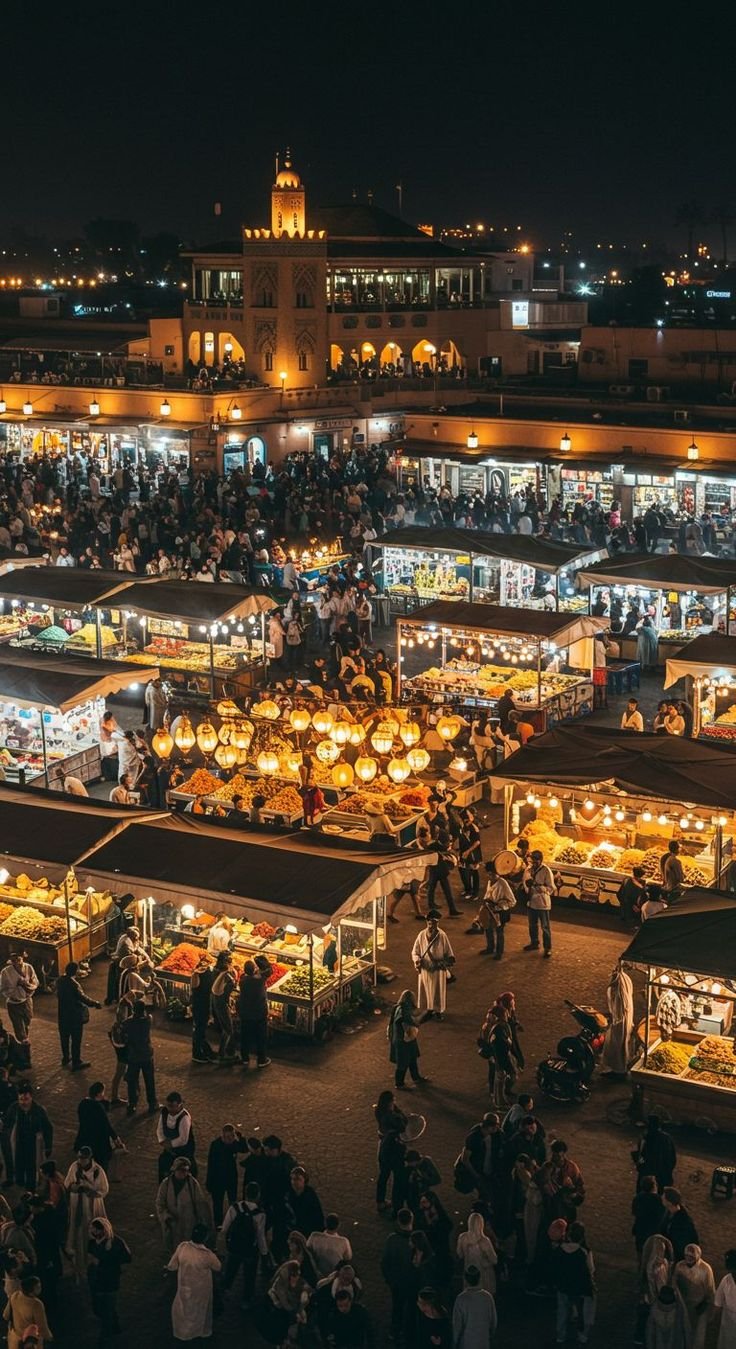
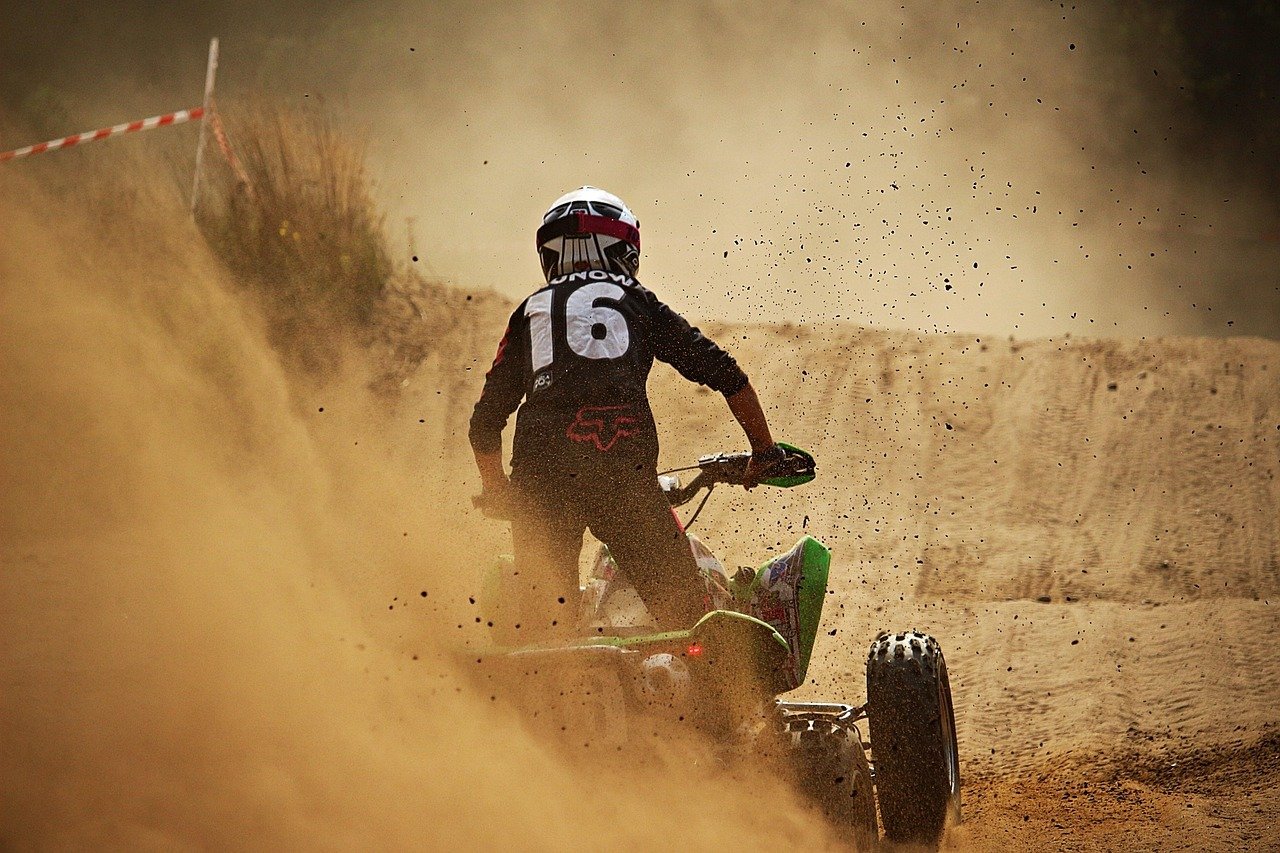
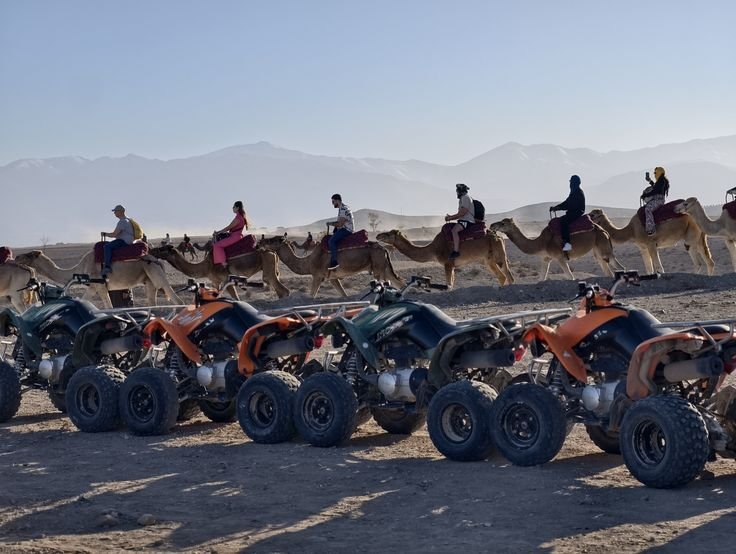
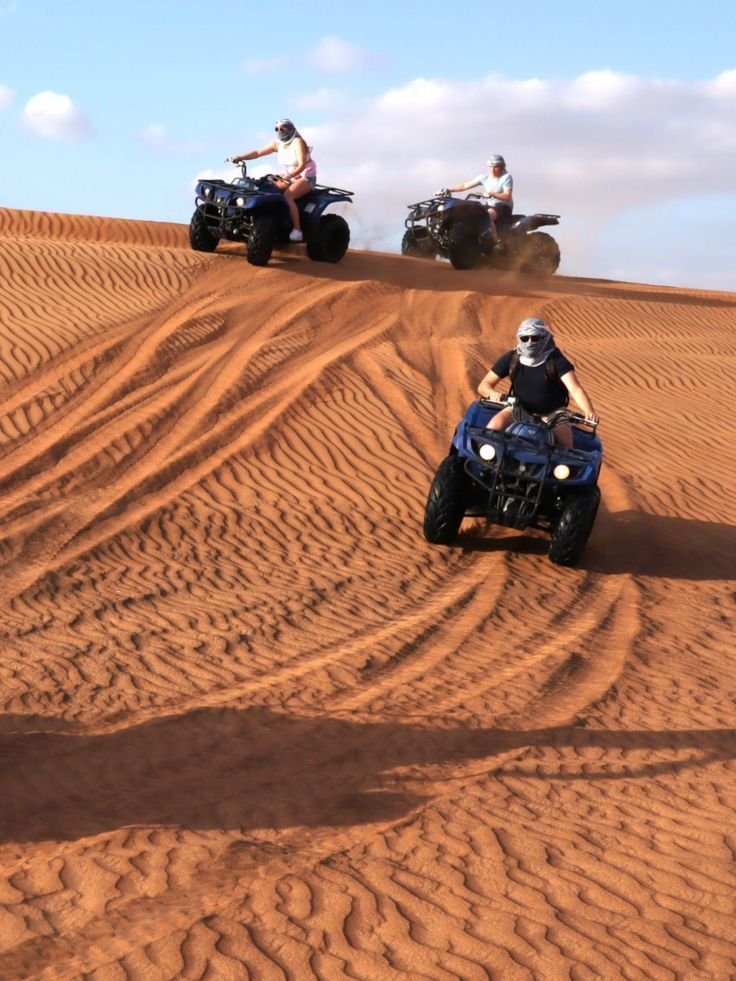
For many travelers landing in Marrakech, the dream is simple: escape the city walls and find the silence of the desert. While the famous golden dunes of the Sahara are a nine-hour drive away, there is a rugged, dramatic wilderness less than an hour from the Medina that offers just as much thrill—albeit with a completely different aesthetic. Agafay Desert Quad Biking has exploded in popularity over the last few years, becoming one of the top-rated excursions in Morocco. It offers a lunar-like landscape that feels like the surface of Mars, set against the dramatic backdrop of the High Atlas Mountains. But because Agafay is a “stone desert” rather than a sea of sand, the riding experience is unique. The routes are technical, the views are vast, and the adrenaline is real. If you are wondering what it is actually like to throttle a 300cc engine across these rocky plains, this guide covers the routes, the views, and the unfiltered experience of conquering Agafay. The Landscape: Understanding the ” Stone Desert Agafay Desert Quad Biking “ Before we discuss the ride, we must manage your expectations about the ground beneath your tires. Agafay is a Reg—a geological term for a desert pavement of gravel and stone. It is not an Erg (sand sea). If you arrive expecting soft, rolling golden dunes to jump off, you will be disappointed. However, from a driving perspective, the stone desert is arguably superior for quad biking. The terrain here is undulating. It consists of hundreds of rolling hills, carved by ancient riverbeds and dried mud. The ground is hard-packed, which means you have excellent traction. Unlike deep sand, where inexperienced riders often get stuck or bog down, the hard Agafay surface allows for speed, precision, and a much more technical riding experience. It is a natural playground of jumps, banked corners, and steep climbs. The Routes: What is the Riding Actually Like? When you book an Agafay Desert Quad Biking tour, you aren’t just driving in circles on a flat plain. The area is massive, covering hundreds of hectares. The guides typically lead you through a mix of three distinct types of terrain, creating a dynamic journey. 1. The Open Plateaus (The Speed Run) Most tours begin on the vast, flat plateaus that sit atop the hills. This is where you get comfortable with the machine. 2. The Canyon Wadis (The Technical Section) Agafay is crisscrossed by “wadis”—dry riverbeds that have cut deep canyons into the earth over centuries of flash floods. 3. The Hill Climbs (The Adrenaline) The topography of Agafay is rarely flat for long. You will encounter steep, rocky hills. The Views: A Photographer’s Dream While the ride is about adrenaline, the reason Agafay Desert Quad Biking commands a higher price tag than the Palmeraie is strictly because of the views. It offers some of the most dramatic visual contrasts in Morocco. The High Atlas Backdrop The single most defining feature of Agafay is the horizon. To the south, the High Atlas Mountains rise abruptly. For much of the year (November to May), these peaks are capped with brilliant white snow. Seeing the stark, white snow-capped peaks looming over the arid, beige, and brown desert foreground is a visual masterpiece. It provides a sense of scale that makes you feel incredibly small. The Lalla Takerkoust Lake Depending on your specific tour operator and the duration of your ride (usually on the longer half-day tours), you may venture toward Lalla Takerkoust. This is a man-made lake (dam) that provides water to Marrakech. The sight of cool blue water surrounded by dry desert and mountains is striking. Some routes take you along the ridge overlooking the lake, offering a cool breeze and a splash of color in a monochrome landscape. The Hidden Oases Scattered throughout the stone desert are small, hidden oases. These are patches of green—usually Eucalyptus or olive trees—fed by underground springs. Riding from the dusty, harsh sun into the cool shade of a Eucalyptus grove is a sensory relief that adds variety to the route. The Experience: Step-by-Step If you have never been on a quad before, the logistics can seem intimidating. Here is exactly what happens on a typical half-day adventure. 1. The Pickup & TransferThe journey starts with a pickup from your hotel or a meeting point in Marrakech. The drive to Agafay takes roughly 45 to 60 minutes. As you leave the city, the landscape slowly changes from urban sprawl to olive groves, and finally to the barren stone hills. 2. The Base Camp & GearYou arrive at the operator’s “Base Camp.” These are often Berber-style tents set up in the wilderness. Here, you sign the insurance waivers and get geared up. 3. The Briefing & Test LoopYou are introduced to your machine—usually a Yamaha, Kymco, or CF Moto automatic quad. It’s “Gas and Go.” You will do 5-10 minutes on a small practice track to prove to the guide you can steer and brake safely. 4. The RideYou set off in a single-file line. The guide sets the pace based on the group’s ability. The ride usually lasts about 2 hours total driving time. 5. The Tea BreakHalfway through the trip, the guide will lead you to a high viewpoint or a nomadic tent. You kill the engines. The sudden silence is profound. You sip sweet mint tea, shake the dust off your clothes, and take photos of the mountains. 6. The ReturnYou loop back to base, usually taking a different route to keep things interesting. Timing: Why Sunset is Non-Negotiable You can book Agafay Desert Quad Biking in the morning or afternoon, but there is a clear winner regarding the experience. The Sunset Slot (Golden Hour) is the premium choice. Because Agafay is made of rock and beige earth, the mid-day sun can make the landscape look flat and washed out. However, as the sun drops, the desert transforms. The shadows of the rocks lengthen, creating texture on the ground. The sky turns shades of purple, pink, and fiery orange. The mountains glow. Riding into
Activities in Marrakech

Epic 3 Hours Quad Biking in the Agafay Desert from Marrakech: Ultimate Guide

For the casual tourist, a quick loop around the palm trees is often enough. But for the true adventurer, the standard one-hour teaser just doesn’t cut it. You want to go deeper, ride further, and explore the landscape that lies beyond the reach of the average tour group. This is where 3 Hours Quad Biking in the Agafay Desert from Marrakech changes the game. Leaving the Red City behind, this extended expedition offers a genuine off-road experience. Instead of just scratching the surface of the “stone desert,” a three-hour ride gives you the freedom to traverse vast lunar plateaus, navigate technical dry riverbeds, and reach the stunning shores of Lake Lalla Takerkoust. If you are wondering if you have the stamina for a longer ride, or if the extra time offers better scenery, this guide breaks down every kilometer of the journey. Why Upgrade to the 3-Hour Extended Ride 3 Hours Quad Biking in the Agafay Desert? Most quad biking packages in Marrakech act as “tasters.” They typically offer 90 minutes of saddle time, which involves a safety briefing, a slow start, and a quick loop near the base camp. Choosing a 3-hour quad biking session is a commitment to the sport and the scenery. Here is why the upgrade is worth the investment: 1. Reaching Lake Lalla Takerkoust This is the main selling point. The standard short tours stay within the central Agafay plains. They offer great views of the desert, but they rarely have the range to reach the water. With 3 hours of throttle time, you can ride all the way to the edge of Lalla Takerkoust. This man-made lake, set against the arid brown desert and the white peaks of the High Atlas Mountains, creates a visual contrast that is one of the most photogenic sights in Morocco. 2. Accessing Technical Terrain Short tours must cater to the lowest common denominator of driving skill. They generally stick to flat, open tracks. On an extended tour, the guides assume you are there to drive. Once the basics are mastered in the first hour, they will take you through “wadis” (dry canyons), up steeper rocky inclines, and across winding ridge lines. It is a more engaging, technical experience that offers a real adrenaline rush. 3. Escaping the “Convoy” The entrance to the Agafay Desert can get busy with buses, buggies, and camels. By riding for three hours, you push deep into the hinterland where silence reigns. You will likely find yourself alone with your group, with nothing but 360-degree views of the wilderness. The Terrain: What to Expect Under Your Tires Before you commit to a long ride, you must understand the ground you will be covering. A common misconception is that Agafay is the Sahara. You will not be surfing soft sand dunes. Agafay is a Reg—a desert pavement. This terrain is perfect for quad biking because it offers a mix of high-speed straights and rock crawling. However, for a 3-hour ride, it requires a moderate level of physical fitness. Your arms and shoulders will work to absorb the vibrations of the rocky track. The Itinerary: A Half-Day of Adrenaline When you book 3 Hours Quad Biking in the Agafay Desert from Marrakech, you are essentially committing to a half-day excursion. Including transfers and briefings, the whole trip takes about 5 to 6 hours. Here is the typical flow of an extended adventure: Phase 1: The Transfer & Briefing Phase 2: The Open Plains (Hour 1) The ride begins on the wide, rolling hills of Agafay. This is the “warm-up” hour. You get a feel for the machine’s suspension. The views open up, revealing the High Atlas Mountains looming in the south. The riding here is fast and flowing. Phase 3: The Tea Break Midway through, the guide will signal a stop. Usually, this is at a high vantage point or a traditional Berber tent. You kill the engines. The silence rushes back in. You enjoy hot mint tea and Moroccan pancakes (msemen). This break is vital for resting your hands and cleaning the dust off your goggles. Phase 4: The Lake & The Canyons (Hours 2 & 3) This is where the “Extended” value kicks in. You ride toward Lalla Takerkoust. The tracks become narrower and wind through eucalyptus groves and erosion gullies. You might navigate steep descents into dried riverbeds. The scenery shifts from moonscape to lakeside vistas. This section is technical and rewarding. Phase 5: The Return You loop back to base camp, dust yourself off (guides often use an air compressor to blow dust off your clothes), and transfer back to Marrakech. Best Time to Ride: Morning vs. Afternoon For a long 3-hour session, timing is critical for your comfort and photography. The Morning Slot (Start approx. 9:00 AM) Best for: Summer and Clarity.In the warmer months (May to September), the Agafay warms up quickly. By 2:00 PM, rocks radiate heat. A morning ride allows you to enjoy the cool air and crisp visibility. The light is often clearer in the AM, making the snow on the Atlas Mountains pop in photos. The Afternoon Slot (Start approx. 2:00 PM or 3:00 PM) Best for: Sunsets and Atmosphere.If you time it right, the end of your 3-hour ride will coincide with the “Golden Hour.” Watching the sun dip behind the stone dunes, turning the sky violet and orange, is spectacular. However, be aware that riding for 3 hours into the setting sun involves dealing with glare. Ensure you have high-quality sunglasses. Practical Gear Guide for Long Rides For a short loop, you can get away with casual wear. For a 3-hour expedition, you need to dress tactically. Safety & Machines The Quads:Reputable operators use 300cc to 450cc automatic quads (Kymco, Yamaha, or CF Moto). For a 3-hour tour, ask about the condition of the bikes. You want a machine with good suspension. Old, battered quads are exhausting to ride for this duration. Driving Requirements: Conclusion: Is the 3-Hour Tour Worth It? If you are just looking for a quick photo for

Activities in Marrakech

Epic Quad Biking in Marrakech: Ultimate Guide to Agafay & Palmeraie

For adrenaline seekers visiting the Red City, Quad Biking in Marrakech is not just an excursion; it is a rite of passage. There is a unique thrill in escaping the chaotic, narrow alleyways of the Medina, swapping the noise of the souks for the roar of an engine, and tearing across the open Moroccan landscape. It is consistently rated as one of the top things to do in Morocco for a reason. However, if you have started researching tours, you have likely hit a wall of confusion. You are presented with two distinct choices for your ride: The Palmeraie (Palm Grove) or The Agafay Desert. Which one is better? Is Agafay worth the longer drive? Is the Palmeraie too touristy? And crucially, are there actual sand dunes? (Spoiler: No). This guide cuts through the marketing noise. We will break down the terrain, the costs, the safety standards, and the overall experience of both locations to help you throttle up with confidence. The Great Debate Quad Biking in Marrakech : Palmeraie vs. Agafay To choose the right Quad Biking in Marrakech package, you first need to understand that these are two completely different ecosystems. Many travelers arrive expecting the rolling golden sand dunes of the Sahara (like Merzouga). It is vital to manage expectations immediately: Neither of these locations has sand dunes. Marrakech is located in a flat plain near the mountains. Here is the honest breakdown of the two arenas. 1. The Palmeraie: The Ancient Oasis Located just 15 to 20 minutes from the city center, the Palmeraie is a vast oasis containing over 100,000 date palm trees. Legend says it was created centuries ago by the soldiers of the Almoravid dynasty spitting out date seeds. The Terrain:The ground here is a mix of hard-packed dirt, sand trails, and dried mud. It is relatively flat. You will weave through groves of palm trees, pass by traditional Berber villages made of clay, and occasionally cross dry riverbeds. The Experience: 2. The Agafay Desert: The Stone Moonscape Located about 45 to 60 minutes south of Marrakech, Agafay is a “Reg” or stone desert. It looks less like the Sahara and more like the surface of the moon or the deserts of Arizona. The Terrain:This is rugged country. The landscape consists of endless rolling hills covered in rocks, steep climbs, and vast open plateaus. In the distance, you have the spectacular backdrop of the snow-capped High Atlas Mountains. The Experience: Detailed Comparison: Which Ride is Right for You? Still undecided? Here is a side-by-side comparison to help you visualize the trade-offs. Feature The Palmeraie The Agafay Desert Transfer Time 15–20 Minutes 45–60 Minutes Scenery Palm Trees, Villages, Oasis Rocky Dunes, Mountains, Open Sky Difficulty Easy / Flat Moderate / Hilly Dust Level High Moderate Price Point Budget / Mid-Range Premium Vibe Fun & Accessible Epic & Cinematic Pricing: What Does It Cost? Transparency is key when booking Quad Biking in Marrakech. Prices can vary based on whether you book a private tour or a small group, and the quality of the machines. Palmeraie Prices Because competition is high and transport costs are low, the Palmeraie is the budget-friendly option. Agafay Prices You are paying for the extra fuel to get there and the exclusivity of the location. Pro Tip: Avoid the ultra-cheap street sellers in Jemaa el-Fnaa offering quads for €15. These often use old, unsafe machines with poor brakes, or they stick you in a large group of 30 people moving at a snail’s pace. The Experience: What to Expect Regardless of the location, the flow of a Quad Biking in Marrakech tour usually follows a standard format. Knowing this helps you plan your day. 1. The Pickup Most reputable operators include hotel pickup. If you are in a Riad in the Medina (where cars can’t go), you will meet at the nearest square. You will be driven to the quad base in a minibus or 4×4. 2. The Gear Up & Briefing Upon arrival, you will sign a liability waiver. Then comes the gear. You will be given: You will then get a 10-minute briefing on how to operate the quad (usually automatic Yamaha or Kymco 300cc/350cc bikes). It’s simple: gas thumb-throttle on the right, brake on the left handlebars. 3. The Test Drive You will do a few laps in a safe zone so the guides can assess your driving ability. If you are dangerous or incompetent, they may ask you to ride as a passenger. 4. The Ride (2 Hours) The standard tour includes about 1.5 to 2 hours of actual driving time. You follow a lead guide. In the Palmeraie, you weave through trees; in Agafay, you crest hills. Safety & Ethics Is it safe? Generally, yes, but it is an adventure sport. The Machines:Reputable companies maintain their fleets well. The quads are stable and wide. Flipping a quad usually only happens if a driver is being reckless, doing donuts, or ignoring the guide’s path. The Guides:Your guide is there to ensure safety. They will constantly look back. If you want to go faster, ask them. Often, they will split the group into “fast” and “slow” sections if the terrain allows, or let experienced riders have a brief “free ride” moment on a safe plateau. Insurance:Always check that your travel insurance covers “ATV/Quad Biking.” Some basic policies exclude it as an extreme sport. What to Wear (Crucial Advice) This is the most common mistake travelers make. You are going into a dusty, hot, engine-filled environment. Dress for function, not fashion. Best Time of Day to Ride Timing can change the experience from “sweaty” to “spectacular.” Morning (9:00 AM or 10:00 AM):Great in the summer months to beat the heat. The air is clearer, and the light is crisp. It leaves your afternoon free for the pool or souks. Sunset (Late Afternoon):This is the “Golden Hour.” Avoid Mid-Day (1:00 PM – 3:00 PM):The light is flat for photos, and the heat can be exhausting, especially in July and August when temperatures hit 40°C+ (104°F). Conclusion: Which Throttle Should You Twist? Ultimately, Quad

Activities in Marrakech

Camel Ride Marrakech Prices & Tour Packages Explained

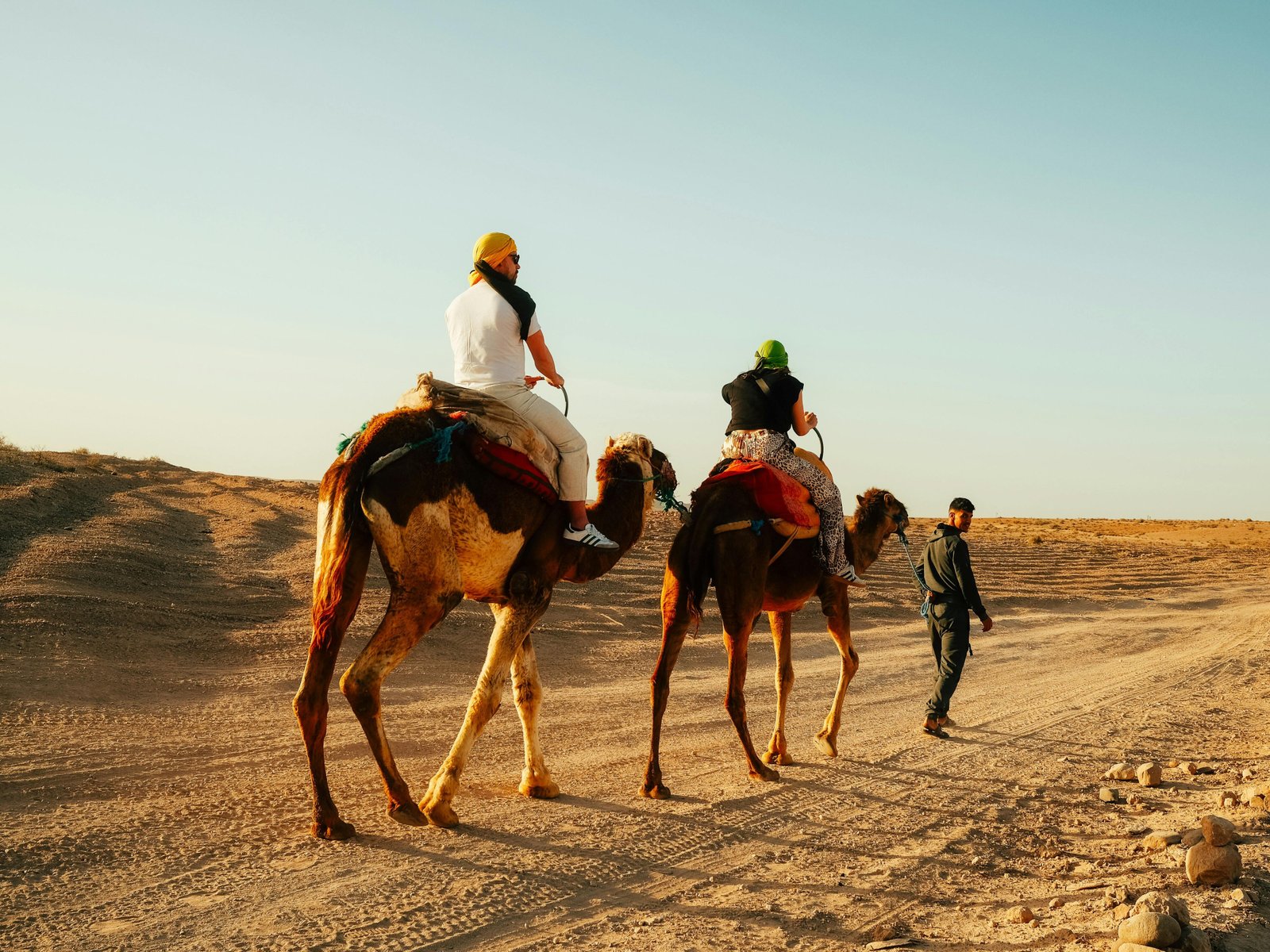
Navigating Camel Ride Marrakech prices can feel like walking through a maze in the Medina. You might hear one price from a street tout in Jemaa el-Fnaa, see a completely different price on a luxury hotel brochure, and find a third price online. For first-time visitors, this disparity is confusing and often leads to the worry of being ripped off. Are you paying for a premium experience, or just the “tourist tax”? The truth is, the cost of a camel ride in the Red City varies wildly depending on three main factors: Location (Palmeraie vs. Agafay), Inclusions (dinner, quads, transport), and Booking Method. This guide is your transparent look into the real costs of camel trekking in Marrakech. We will break down the standard market rates for 2025, explain what should be included in every package, and help you spot the difference between a bargain and a scam. The Quick Price Benchmark (2025 Averages) Before we dive into the details, here is a quick reference table for what you should expect to pay for a standard experience including round-trip transportation. Note: Prices are estimated in Moroccan Dirhams (MAD) and Euros (€). Experience Type Location Duration (Ride) Approx. Price (Per Person) Standard Morning Ride Palmeraie 1 Hour 100–150 MAD (€10–€15) Sunset Ride + Tea Palmeraie 1 Hour 200–250 MAD (€20–€25) Sunset Ride + Tea Agafay Desert 1 Hour 400–600 MAD (€40–€60) Dinner + Camel Combo Agafay Desert 1 Hour + Meal 600–900 MAD (€60–€90) Quad + Camel Combo Palmeraie 2 Hours Total 500–700 MAD (€50–€70) Day Trip (Atlas Mtns) Imlil / Moulay Brahim 30-45 Mins 400–600 MAD (€40–€60)* *Price usually covers the full day trip transport and lunch, not just the camel ride. Factor 1: Location Dictates the Price The single biggest factor influencing Camel Ride Marrakech prices is where the camel actually walks. There are two primary zones, and they offer vastly different value propositions. 1. The Palmeraie (The Budget Option) The Palmeraie is a vast palm grove located just 15–20 minutes from the city center. It is the historic “oasis” of Marrakech. 2. The Agafay Desert (The Premium Option) Located 45–60 minutes south of Marrakech, Agafay is a stone desert with rolling hills and views of the High Atlas Mountains. Factor 2: Understanding Tour Packages When comparing Camel Ride Marrakech prices, you must compare apples to apples. A “ride” is rarely just a ride. Here is what the different packages actually entail. The “Sunset & Tea” Package This is the most popular option. The “Camel & Quad” Combo For thrill-seekers, this is the best value for money. The “Dinner Under the Stars” Package This transforms the activity into a full evening event. Factor 3: Booking Method (Street vs. Online) Where you buy your ticket changes the price. This is where the “Haggling Culture” of Morocco clashes with modern tourism. Booking via Street Touts (Jemaa el-Fnaa) Walking through the square, men will approach you offering camel rides for incredibly low prices, sometimes as low as 100 MAD (€10). Booking via Hotel Concierge Booking Online (Agencies & Platforms) Hidden Costs & What Should Be Free When analyzing Camel Ride Marrakech prices, be aware of what is not on the price tag. 1. Tipping (Baksheesh)This is not a “hidden fee” but a cultural expectation. 2. PhotosYour guide will offer to take photos of you. This should be free. If a guide demands money before taking a photo with your own phone, decline. However, giving a tip at the end for great photos is nice. 3. The “Free” ScarfMost tours provide a Cheich (turban) for the ride. This is a loaner. Sometimes, at the end, they might try to sell it to you. You are under no obligation to buy it. Animal Welfare: The Cost of Ethics There is a dark side to ultra-low prices. Camels are living animals that require food, veterinary care, and rest. If you find a deal for €10, ask yourself where the cost-cutting is happening. Often, rock-bottom prices mean the animals are overworked, malnourished, or carrying loads that are too heavy. Reputable operators charge a fair market rate (the €25+ range for Palmeraie) because they feed their animals well and limit the number of trips per day. Paying a fair price ensures you are supporting ethical tourism practices. Tips for Getting the Best Value Conclusion Understanding Camel Ride Marrakech prices ultimately comes down to managing expectations. If you want a quick, budget-friendly photo op, the Palmeraie for ~€25 is the industry standard. It is accessible, fun, and easy to fit into a busy schedule. If you want the memory of a lifetime—vast open spaces, silence, and luxury—the Agafay Desert for ~€50+ is worth every cent of the difference. Don’t chase the absolute lowest price on the street. In Morocco, you generally get what you pay for. Aim for the mid-range, reputable operators who prioritize safety and animal welfare, and you will enjoy one of the most iconic experiences North Africa has to offer. Frequently Asked Questions (FAQs) 1. Do I need to pay in Dirhams or Euros?Most operators accept both. However, the exchange rate used by drivers might be rounded up (e.g., 10€ = 110 MAD). Paying in the currency quoted during booking is usually best. If you pay in Dirhams, use the official bank rate if possible. 2. Is the price cheaper for children?Yes, typically children under 10 or 12 get a discount (usually 25–50% off). Very young children (under 4) who ride sitting with a parent often go free, but you must check with the operator regarding safety policies. 3. Can I just go to the Palmeraie and find a camel myself?Yes, you can take a taxi there and negotiate directly. However, the taxi will cost you ~100 MAD round trip, and the camel owners start haggling at high prices. By the time you negotiate, you often save only €2–€3 compared to a pre-arranged tour that includes door-to-door transport. 4. Why are hotel concierge prices so much higher?Hotels often add a significant commission (sometimes 50% or more) for the convenience of booking for you. They also tend to use “preferred partners” who charge premium rates. Booking online directly with

Activities in Marrakech

The Best Time for a Camel Ride in Marrakech: Morning vs Sunset

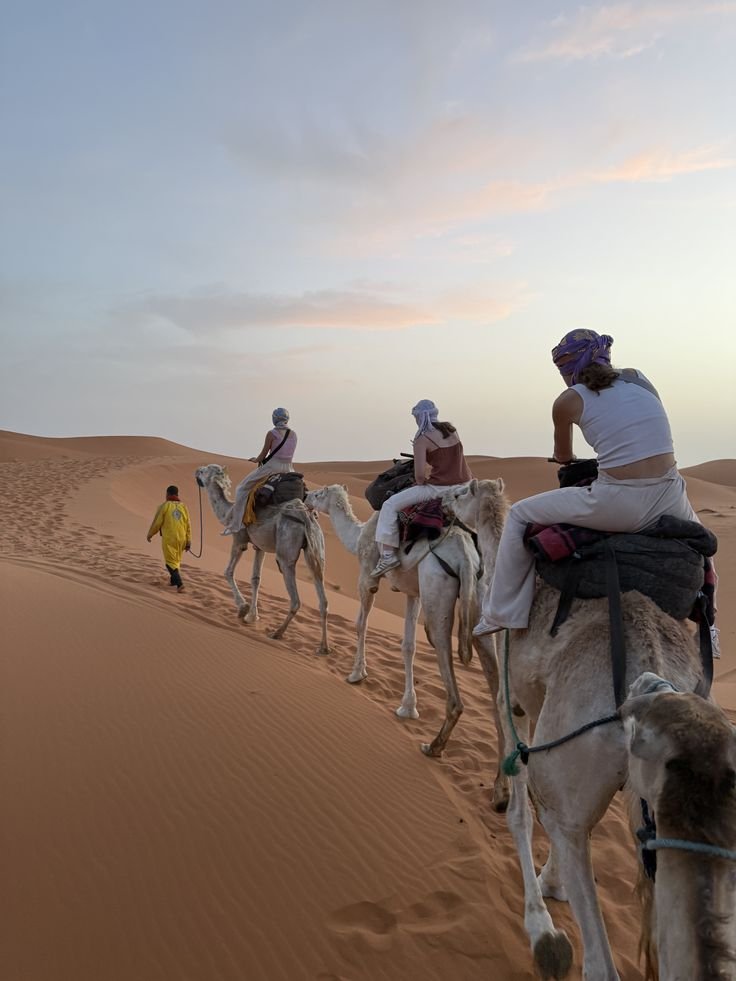
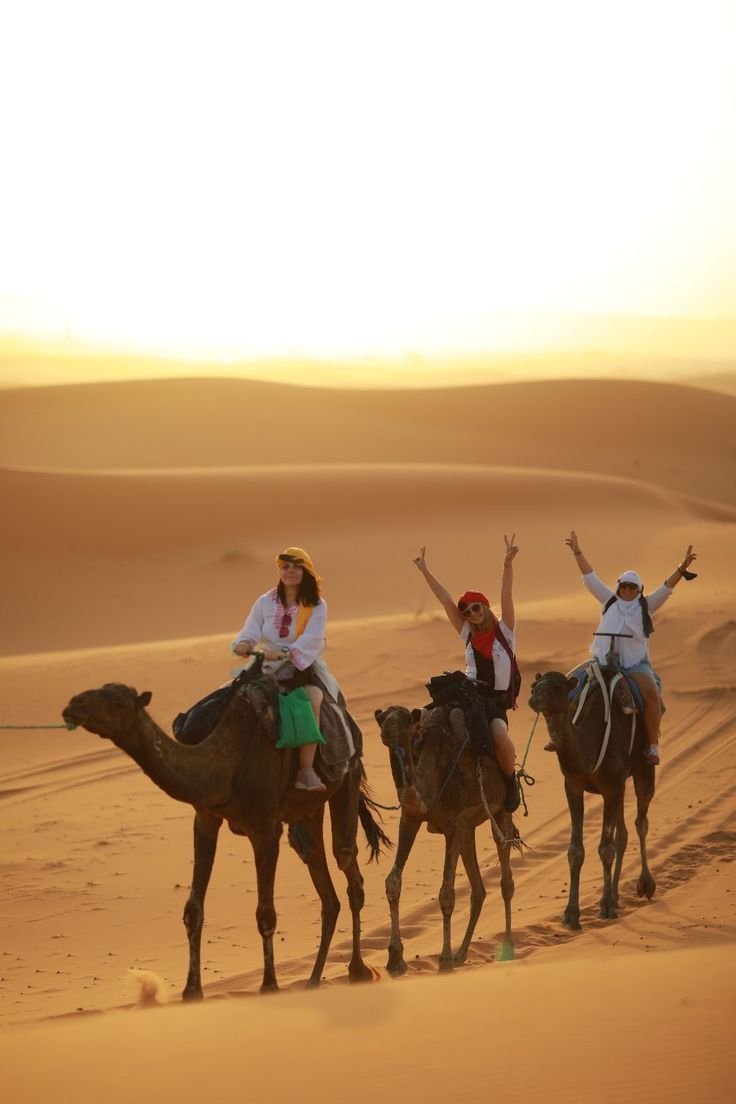
Choosing the best time for a camel ride in Marrakech is often the hardest decision travelers face when planning their Moroccan itinerary. It seems like a simple choice. Do you want the soft, misty light of the morning, or the fiery drama of the setting sun? However, the reality of the Red City is a bit more complex. Factors like the searing afternoon heat, the tour bus crowds, and the specific location of your ride—whether in the Palm Grove (Palmeraie) or the Agafay Desert—play a massive role in your enjoyment. Riding a dromedary (the one-humped camel native to Morocco) is a bucket-list experience. You don’t want to ruin it by shivering in the pre-dawn cold or sweating through your linen shirt in the late afternoon. This guide breaks down the pros, cons, and secrets of both timing options to help you decide exactly when to saddle up. Best Time for a Camel Ride in Marrakech: The “Golden Hour” Favorite Let’s be honest: when you scroll through Instagram looking at Morocco travel inspiration, 90% of the camel photos you see are taken at sunset. The sunset ride is the industry standard. It is the most popular option offered by tour operators, and for good reason. But popularity comes with a price. The Pros: Atmosphere and Romance The primary reason travelers choose the evening slot is the light. As the sun dips lower toward the horizon, the harsh Moroccan glare softens into a warm, honey-colored glow. If you are heading to the Agafay Desert (the stone desert 45 minutes from the city), the sunset is spectacular. The Atlas Mountains often turn a shade of purple, and the rolling rocky dunes catch the light in a way that feels cinematic. This is the “Lawrence of Arabia” moment. The shadows stretch long across the ground, and the sky transforms into a gradient of burnt orange, pink, and indigo. For couples, this is undeniably the most romantic choice. The Cons: Crowds and Clutter Because the sunset ride is the “famous” one, you will not be alone. In the Marrakech Palmeraie, the sunset slot is peak hour. You may find yourself part of a long caravan of camels, sometimes numbering in the dozens. If you are looking for profound silence and isolation, a standard sunset tour in the Palm Grove might feel a bit like a tourist conveyor belt. You have to be strategic with your camera angles to avoid getting other tourists in your shot. The Temperature Factor In the cooler months (October to April), a sunset ride is perfectly pleasant. The day’s heat is fading, but the biting cold of the desert night hasn’t set in yet. However, in the peak of summer (July and August), 6:00 PM or 7:00 PM can still be scorching hot. The ground retains the heat of the day, radiating it back up at you. The Morning Camel Ride: The Zen Alternative While the masses flock to the dunes in the evening, the morning ride remains the secret of the savvy traveler. Asking for a sunrise or early morning slot often surprises tour operators, but those who do it rarely regret it. The Pros: Serenity and Nature The best time for a camel ride in Marrakech if you value silence is undoubtedly the morning. Marrakech is a loud city. The morning ride offers a rare escape from the chaos. In the Palmeraie, the air is often still and crisp. You can hear the birds singing in the palm trees and the soft thud of the camel’s hooves on the dirt paths. The light is different in the morning. It isn’t the dramatic orange of sunset; it is a soft, blue-white light. There is often a light haze or mist clinging to the ground before the sun burns it off, giving the landscape a dreamlike, ethereal quality. Plus, you will likely have the trail to yourself. It feels like a private expedition rather than a group tour. The Cons: The Early Wake-Up Call To catch the true sunrise, you need to be up early—very early. If you are staying in the Medina, you might need to leave your Riad by 5:30 AM or 6:00 AM, depending on the season. For travelers who view vacation as a time to sleep in, this is a dealbreaker. Furthermore, once the sun is fully up (around 10:00 AM), the light becomes harsh and “flat” very quickly. If you overshoot the sunrise window and start too late, your photos might look washed out compared to the evening variety. Seasonal Strategy : Winter vs. Summer You cannot choose the best time for a camel ride in Marrakech without looking at the calendar. Morocco has extreme seasons, and the weather dictates the experience. Summer (June – August) Winner: The Morning Ride. In summer, Marrakech is an oven. Temperatures often hit 45°C (113°F). By the time sunset rolls around, the earth has been baking for 12 hours. It is still hot. The morning, however, is the coolest part of the day. The ground is cool from the night, and the air is fresh. If you are visiting in July, book the earliest slot possible. Your body will thank you. Winter (December – February) Winner: The Sunset Ride. Desert mornings in winter are freezing. We aren’t talking “chilly”; we mean seeing-your-breath cold. If you book a sunrise ride in January, you need a heavy coat, gloves, and a scarf. You will spend the first 30 minutes shivering until the sun hits you. Conversely, the sunset ride in winter is delightful. You get the warmth of the late afternoon sun, and you finish the ride just as the temperature starts to drop. The Photography Battle: Blue Hour vs. Golden Hour If your main goal is capturing National Geographic-level photos, the lighting conditions are the deciding factor. Sunset: The Silhouette Shot Sunset provides the “Golden Hour.” This is technically the hour before the sun vanishes. The light is directional, creating texture in the sand (or rocks in Agafay) and making colors pop. This is the only time you can

Activities in Marrakech

2-Hour Camel Ride at Sunset in Marrakech’s Palmeraie: What the Experience Is Really Like

A 2-hour camel ride at sunset in Marrakech’s Palmeraie is one of the most popular short excursions for travelers who want a taste of desert culture without leaving the city. But what actually happens during those two hours? And is it worth choosing sunset over other times of day? This guide answers the questions most blogs skip — from timing and comfort to scenery, value, and who this experience is really for. Why the Camel Ride at Sunset in Marrakech Is So Popular Sunset is not just about lighting for photos. In the Palmeraie, it completely changes the atmosphere. As the temperature drops and the light softens, the palm groves become quieter and more peaceful. The heat of the afternoon fades, local life slows down, and the entire landscape turns golden. For many visitors, this moment — riding slowly between palm trees while the sky shifts colors — becomes one of their calmest memories in Marrakech. Unlike longer desert excursions, this experience fits easily into a busy travel schedule, which is why it’s often chosen by first-time visitors. What Exactly Happens During a 2-Hour Camel Ride? Despite the name, the experience is more than just sitting on a camel for two hours. Typical Flow of the Experience The pace is slow and relaxed. There is no rush, and guides usually stop several times for photos or short breaks. What You’ll See Along the Way The Palmeraie is not a desert of sand dunes, and knowing this beforehand avoids disappointment. During the ride, you’ll pass: This mix of nature and everyday local life is what makes the Palmeraie unique. Is a 2-Hour Camel Ride Comfortable? This is one of the most common concerns — and the honest answer matters. Camels move with a gentle rocking motion. Most people find it comfortable after the first few minutes. However: If you have serious back problems, it’s worth mentioning this to the operator in advance. Who Is This Experience Best For? A sunset camel ride in the Palmeraie is ideal if you: It may not be ideal if: In that case, Agafay Desert experiences are usually a better fit. What to Wear for a Sunset Camel Ride Many blogs repeat generic advice. Here’s what actually works: Evenings cool down quickly, especially outside the city. How Much Does a 2-Hour Camel Ride Cost? Prices vary depending on group size and inclusions, but on average: Always confirm: Extremely cheap offers often cut corners on quality. Is the Sunset Camel Ride Ethical? This depends entirely on the operator. Signs of a responsible tour: Don’t hesitate to ask questions. Ethical operators are transparent. Sunset vs Morning Camel Ride: Which Is Better? Sunset Ride Morning Ride Cooler temperatures Very quiet Golden light Softer crowds Best for photos Best for calm More popular Less busy For most travelers, sunset offers the best balance. Should You Book in Advance? Yes — especially during: Last-minute bookings are possible, but availability and quality vary. Is a 2-Hour Sunset Camel Ride Worth It? If you choose the right operator and know what to expect, absolutely. It’s not about distance or thrill. It’s about slowing down, seeing Marrakech from a different angle, and experiencing a tradition that shaped Moroccan life for centuries. FAQ ❓ How long is the actual camel riding time? The full experience lasts around two hours, including preparation and short breaks. The actual riding time is usually between 60 and 90 minutes, depending on the pace of the group and photo stops. ❓ Is a sunset camel ride in the Palmeraie suitable for beginners? Yes. No prior experience is required. The camels are well trained, and guides assist with mounting, riding, and dismounting throughout the tour. ❓ What is included in a 2-hour camel ride in Marrakech’s Palmeraie? Most tours include hotel pickup and drop-off, a guided camel ride, traditional clothing, and a mint tea break. Inclusions can vary, so it’s best to check the details before booking. ❓ What is the best time of year for a sunset camel ride in Marrakech? Spring (March to May) and autumn (September to November) offer the most comfortable temperatures. Sunset rides are available year-round, but summer evenings are especially popular due to cooler weather.

Activities in Marrakech

Camel Ride in Marrakech: Palmeraie Tours, Prices & What to Expect

A camel ride in Marrakech is often described as “a must-do,” but very few guides explain how to choose the right one — or why many travelers end up disappointed. The truth is simple: not all Marrakech camel rides offer the same experience. Some feel rushed and staged, while others deliver a calm, immersive journey that genuinely reflects Morocco’s desert heritage. This guide is written from a local tourism perspective, not a brochure. Whether you’re considering a short Palmeraie camel ride or a deeper Agafay Desert experience, here’s what actually matters before you book. Why Camel Rides Matter in Morocco Camels are not a tourist invention in Morocco. Long before Marrakech became a global destination, camels connected southern oases to imperial cities through trade routes that shaped the region’s economy and culture. Today’s camel rides are shorter and more comfortable, but when done properly, they still echo that slow, intentional rhythm of desert travel. Understanding this helps you recognize the difference between a real experience and a purely commercial one. Choosing the Right Location: This Is Where Most Travelers Get It Wrong 🏝️ Palmeraie Camel Ride – Best for First-Time Visitors The Palmeraie is ideal if you: What most guides don’t say:👉 The Palmeraie is not a desert. It’s an oasis landscape with palm groves, dirt tracks, and nearby villages. Expect calm scenery, not endless dunes. Best for: 1–2 hour rides, sunset photos, cultural tea stopsNot ideal if: You’re expecting a Sahara-style experience 🏜️ Agafay Desert Camel Ride – Best for Authentic Atmosphere Agafay offers a completely different feeling: Unlike the Palmeraie, Agafay feels remote and expansive. Sunset camel rides here are particularly impressive, and many tours combine them with dinner or quad biking. Best for: Couples, photographers, adventure seekersWorth it if: You want depth, not just photos 🌄 Atlas Foothills & Lake Lalla Takerkoust – Hidden Alternatives If you’ve already seen the classics, these areas offer: They’re rarely mentioned in generic blogs but can deliver the most personal experiences. How to Choose a Camel Ride Tour Forget “5-star descriptions.” Focus on this instead: ✅ Animal Welfare Ask: Ethical operators will answer clearly. ✅ Group Size Smaller groups = better experienceLarge caravans = rushed photos + noise ✅ Timing Midday rides are usually the worst option. What a Quality Camel Ride Actually Includes A well-organized Marrakech camel ride usually covers: Agafay packages may also include: If meals or activities aren’t mentioned clearly, assume they’re not included. Practical Advice Most Blogs Skip What to Wear Photos That Don’t Look Tourist-Trap Is a Camel Ride in Marrakech Worth It? If you choose the right location and operator — yes, absolutely. If you book the cheapest option without checking details — probably not. The experience is less about distance and more about atmosphere, pacing, and respect for the environment and animals. FAQ How long should a camel ride last?For most travelers, 1.5 to 2 hours is ideal. Longer rides work better in Agafay with added activities. Is it safe for beginners?Yes. No experience is needed, and guides assist with mounting and dismounting. Can children ride camels?Yes, usually with a parent or on smaller camels. How much does it cost?Expect €20 for Palmeraie rides and €40 for Agafay packages with meals. Final Thought (Authority Signal) A camel ride shouldn’t feel like a checklist item. When planned properly, it becomes one of the calmest and most memorable moments of a Marrakech trip. Choose experience over price, atmosphere over distance, and ethics over convenience.

Tours in Morocco

Marrakech vs Fes: Which Imperial City Should You Choose for Your First Trip?

Category: Morocco Travel Tips | Reading Time: 14 Minutes | Last Updated: December 2025 It is the most common dilemma for travelers planning their debut in North Africa. You have one week. You want to experience the magic of the Maghreb. But when you look at the map, you face a tough choice: Marrakech or Fes? On the surface, they seem similar. Both are ancient “Imperial Cities.” Both feature walled Medinas (old towns) recognized by UNESCO. Both are sensory explosions of spice markets, intricate tilework, and calling minarets. But ask any local, or any traveler who has visited both, and they will tell you: They are worlds apart. Marrakech is the extrovert—the glamorous, chaotic, red-walled pulse of the south. Fes is the introvert—the spiritual, scholarly, authentic soul of the north. So, which one is right for you? In this ultimate comparison guide, we break down the vibe, the history, the shopping, and the logistics of both cities to help you decide. (And we’ll tell you how to fit both into one epic trip). At a Glance: The Quick Verdict If you don’t have time to read the full breakdown, here is the cheat sheet: Feature Marrakech Fes The Vibe Energetic, Cosmopolitan, Glamorous Ancient, Spiritual, Authentic The Medina Flat, Open, Tourist-Oriented Hilly, Narrow Labyrinth, Car-Free Best For Luxury Hotels, Nightlife, First-Timers History Buffs, Culture Vultures, Artisans Shopping Home Decor, Fashion, Rugs Leather, Ceramics, Metalwork Day Trips High Atlas, Agafay Desert, Essaouira Chefchaouen, Volubilis, Middle Atlas Distance to Desert ~9-10 Hours (Scenic but Long) ~7 Hours (Closer to Merzouga) Round 1: The Vibe & Atmosphere Marrakech: The “Red City” Marrakech is a showman. It puts on a performance every day. The city is painted in a warm, dusty pink (ochre), and it feels undeniably exotic yet accessible. Fes: The “Athens of Africa” Fes feels like stepping into a time machine set to the year 1200. It is the spiritual and intellectual capital of the country. Round 2: The Medinas (Old Towns) Marrakech Medina The Marrakech Medina is easier to navigate. The streets are generally wider, and all roads eventually lead to the massive central square, Jemaa el-Fnaa. Fes el Bali (Old Fes) The Fes Medina is a bowl-shaped labyrinth. It is a dense web of dead-ends, mosques, and workshops. Round 3: Shopping & Souvenirs Both cities are shopping paradises, but they specialize in different things. Round 4: Day Trips & Excursions Where can you go when you leave the city? From Marrakech From Fes The Verdict: Which One is For You? Choose Marrakech If: Choose Fes If: The “Pro” Move: Do Both (The Grand Tour) Why choose? The most popular itinerary for travelers with 8 to 10 days is to combine both cities via the Sahara Desert. This is often called the “Fes to Marrakech Desert Tour” (or vice versa). How it works: This route saves you from backtracking and allows you to see the green north, the arid south, the golden dunes, and the red city in one cohesive narrative. Ready to decide?Whether you pick the Red City, the Spiritual Capital, or the Grand Tour that connects them, Morocco is waiting.

Tours in Morocco

The Perfect Essaouira Day Trip: The Ultimate Escape from Marrakech

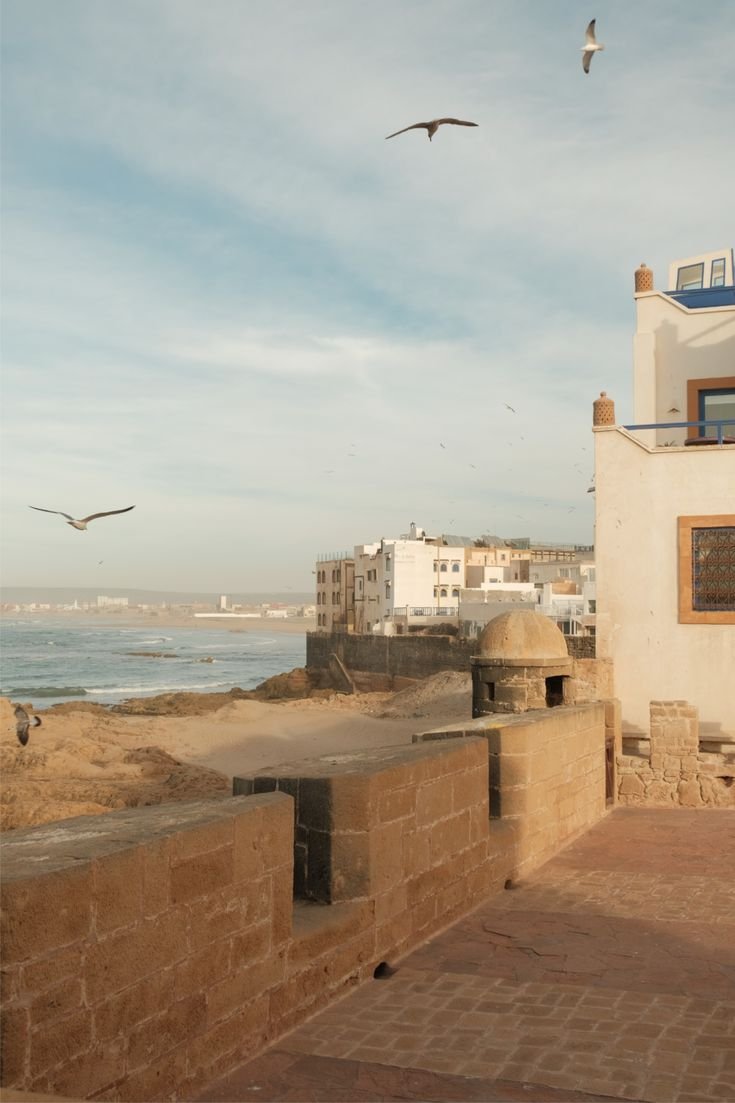
Category: Morocco Travel Guides | Reading Time: 12 Minutes Marrakech is magical. It is a sensory explosion of color, sound, and heat. But after a few days of dodging motorbikes in the souks and navigating the crowds of Jemaa el-Fnaa, you might find yourself craving a deep breath of fresh air. Enter the Essaouira Day Trip. Located just a 3-hour drive west of Marrakech, Essaouira (formerly known as Mogador) feels like a different country. Here, the air smells of sea salt, the buildings are painted crisp white and blue, and the soundtrack is the cry of seagulls rather than the honk of horns. Whether you are a Game of Thrones fan chasing filming locations, a foodie looking for the freshest seafood in Africa, or just a traveler seeking a “vacation from your vacation,” this coastal town is the answer. This is your ultimate guide to planning the perfect day by the Atlantic. Why Is Essaouira So Famous? Before we look at the logistics, why should you dedicate a full day of your itinerary to this town? The Journey: Goats, Argan, and The Road West Essaouira Day Trip An Essaouira day trip is not just about the destination; the drive itself is fascinating. The route takes you through the Haouz planes and into the dry lands unique to this region. This is the only place in the world where the Argan tree grows naturally. The Famous “Goats in Trees” About halfway through the drive, you will see a sight that defies physics: dozens of goats standing on the thin branches of Argan trees, eating the nuts. The Argan Cooperatives Since this is Argan country, visiting a women’s cooperative is a staple of the trip. You can see how Berber women crack the hard nuts by hand to extract the liquid gold used for cooking and cosmetics. It is the best place to buy authentic oil. The Perfect 1-Day Itinerary You don’t need a map to enjoy Essaouira, but having a plan helps you maximize your limited time. Here is the ideal flow for your Essaouira day trip. Morning: The Port & The Ramparts Mid-Day: The Ramparts & Lunch Afternoon: The Medina & Shopping Late Afternoon: The Beach Before meeting your driver for the return trip (usually around 4:00 PM or 5:00 PM), take a walk on the massive sandy beach. Watch the kite surfers flying over the waves or simply dip your toes in the Atlantic. Practical Info: What You Need to Know Transport: Private vs. Bus vs. Grand Taxi What to Wear FAQ: Common Traveler Questions 1. Is one day enough?Yes. Essaouira is small. You can easily see the port, medina, and beach in 5–6 hours. However, many people fall in love with the vibe and wish they stayed overnight! 2. Can I swim in the ocean?Yes, but the water is cold (Atlantic Ocean) and the currents can be strong. It is better suited for surfing and kitesurfing than casual swimming. 3. Is it wheelchair accessible?The main streets of Essaouira are wider and flatter than Marrakech, making it one of the more accessible medinas in Morocco, though cobblestones are still an issue. Final Thoughts: The Breath of Fresh Air You Need An Essaouira day trip provides the perfect counterbalance to the intensity of Marrakech. It blends history, culture, and nature into a package that feels relaxing rather than exhausting. Watching the waves crash against the ancient Portuguese walls while the smell of grilled sardines wafts through the air is a sensory experience you won’t forget. It is not just a day trip; it is a reset button for your soul. Ready to smell the ocean?Check out our Private Essaouira Excursions to book your comfortable transport and experience the “Blue Pearl” of the Atlantic.

Tours in Morocco

The Ultimate Private Morocco Tour From Casablanca: Your Complete Guide to the Grand Tour

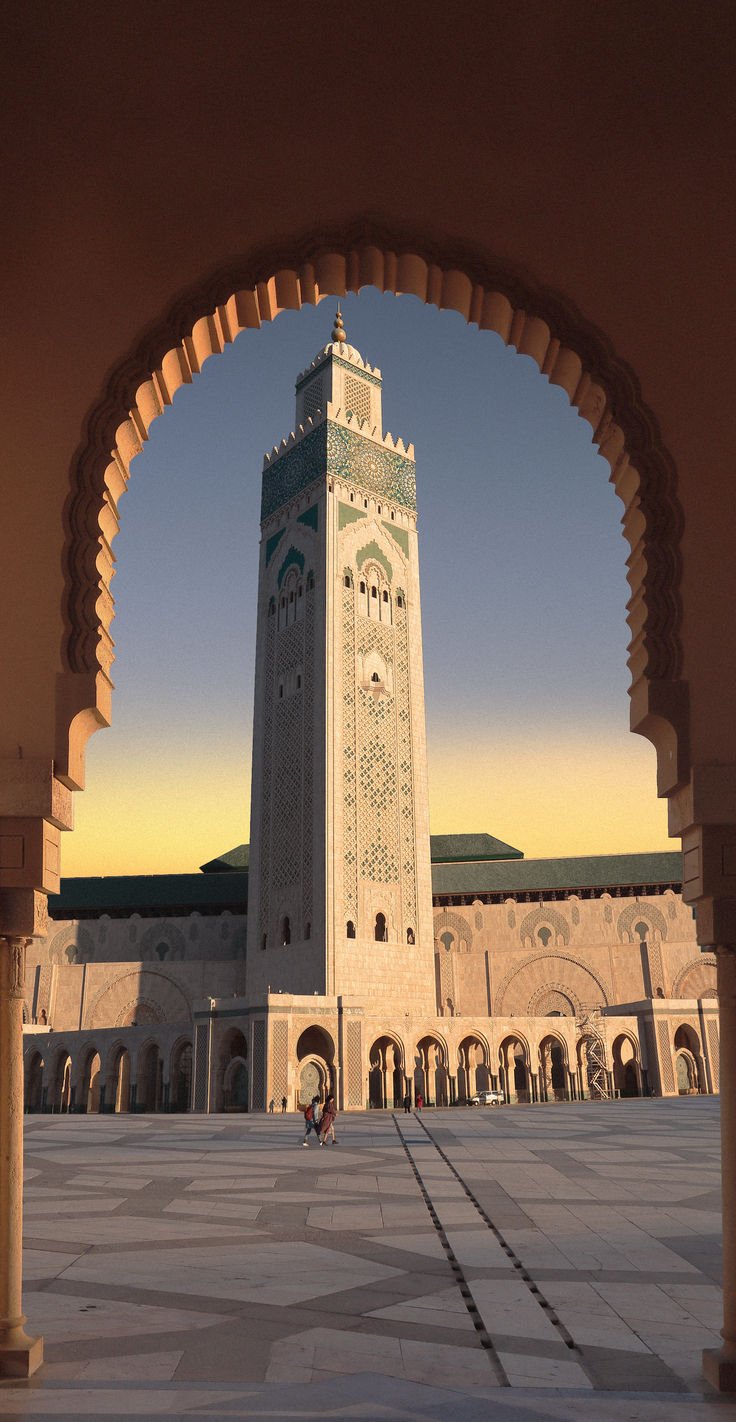
Category: Morocco Travel Guides | Reading Time: 15 Minutes For the vast majority of international travelers, the Moroccan adventure begins on the tarmac of Mohammed V International Airport (CMN) in Casablanca. As the economic capital and primary flight hub, Casablanca is the gateway to the Kingdom. But once you land, what happens next? Morocco is a vast country, larger than California or Germany. Its treasures—the Blue City of Chefchaouen, the medieval maze of Fes, the red clay of the Sahara, and the bustling souks of Marrakech—are spread out across hundreds of kilometers. This is why a Private Morocco Tour From Casablanca is the most popular choice for first-time visitors. It is the “Grand Route.” It allows you to loop through the entire country efficiently, comfortably, and at your own pace. Whether you have 7 days or 2 weeks, starting from Casablanca gives you the perfect trajectory to see it all. This is your comprehensive pillar guide to planning the ultimate road trip from the Atlantic coast to the Sahara dunes and back. Why Choose a Private Tour? Before diving into the route, it is essential to understand why a private experience is the smartest investment for a trip starting in Casablanca. 1. The Distances are Long Morocco is deceptively large. The drive from Casablanca to the desert (Merzouga) involves crossing two mountain ranges. A Private Morocco Tour From Casablanca provides you with a luxury vehicle (typically a Toyota Land Cruiser or Mercedes V-Class) and a professional driver. This transforms long travel days into comfortable sightseeing experiences. 2. Freedom of Schedule Big bus tours run on a military schedule. If you want to spend an extra hour photographing the blue walls of Chefchaouen or stop for coffee in the Ziz Valley, you can’t. On a private tour, you are the boss. The itinerary is a framework, but the daily rhythm is yours to control. 3. Safety & Language Navigating Moroccan roads, police checkpoints, and parking in medieval medinas can be stressful. Your private driver acts as your chauffeur, translator, and local guardian, ensuring your trip is smooth and scam-free. The Best Itineraries (Route Options) When booking a Private Morocco Tour From Casablanca, you generally have three main route options depending on your vacation days. Option A: The “Imperial Cities” Express (7-8 Days) Perfect for history buffs short on time. Option B: The “Classic” Loop (10-12 Days) The Best-Seller. This covers everything. Option C: The “Grand Tour” (14+ Days) The Deep Dive. Part 3: Key Stops on Your Journey A Private Morocco Tour From Casablanca is a highlight reel of North Africa. Here is what makes each stop unmissable. 1. Casablanca: The Starting Line Most tours spend only one morning here. The must-see is the Hassan II Mosque. It is one of the only mosques in Morocco open to non-Muslims. Its minaret is the second tallest in the world, and it sits dramatically over the Atlantic Ocean. 2. Chefchaouen: The Blue Pearl Nestled in the Rif Mountains, this town is painted entirely in shades of blue. It is a photographer’s paradise and a peaceful break from the busy cities. 3. Fes: The Time Machine Fes el Bali is the largest car-free urban zone in the world. It is a labyrinth of 9,000 alleys. Your private tour will include a local guide to help you navigate the tanneries, madrasas, and souks without getting lost. 4. The Sahara (Merzouga): The Climax This is usually the highlight of the trip. You will cross the Middle Atlas Mountains to reach Erg Chebbi. Activities include camel trekking, sleeping in luxury tents under the stars, and 4×4 off-roading. 5. Ait Ben Haddou & The Road of Kasbahs On the way to Marrakech, you travel the ancient caravan route. You will stop at Ait Ben Haddou, the mud-brick fortress famous for Gladiator and Lawrence of Arabia. 6. Marrakech: The Red City The trip usually culminates here. Snake charmers in Jemaa el-Fnaa square, the Yves Saint Laurent Majorelle Garden, and incredible shopping. Accommodation Styles One of the benefits of a Private Morocco Tour From Casablanca is the ability to choose your “comfort level.” Practical Logistics & FAQs When is the best time to book? What vehicle will I get? For a couple or small family (2-4 people), the industry standard is a Toyota Land Cruiser Prado or a Mitsubishi Pajero. For larger groups (5-7 people), a Mercedes V-Class or Hyundai H1 minivan is used. Is it safe for families? Absolutely. Moroccans adore children. A private tour allows you to stop frequently for bathroom breaks, snacks, and “wiggles,” making it the only viable way to do the “Grand Tour” with kids. Final Thoughts: The Trip of a Lifetime Starting your journey in Casablanca opens up the entire Kingdom. From the Atlantic breeze to the Sahara sands, this route connects the dots of Morocco’s history, culture, and geography in a single, seamless narrative. By choosing a Private Morocco Tour From Casablanca, you are not just booking transport; you are buying freedom. You are buying the ability to watch the sunset over the dunes without worrying about the bus schedule. Ready to start planning?Browse our 10-Day Imperial Cities & Desert Itinerary or contact our specialists to customize your private expedition today.