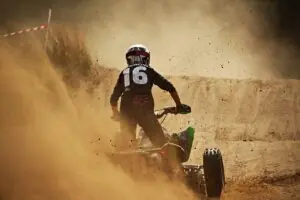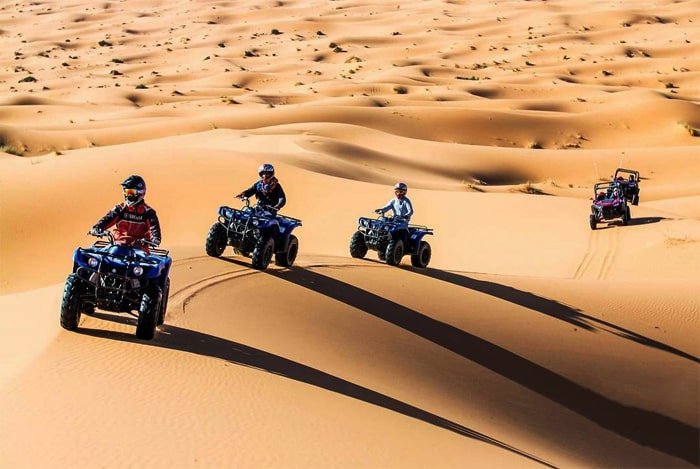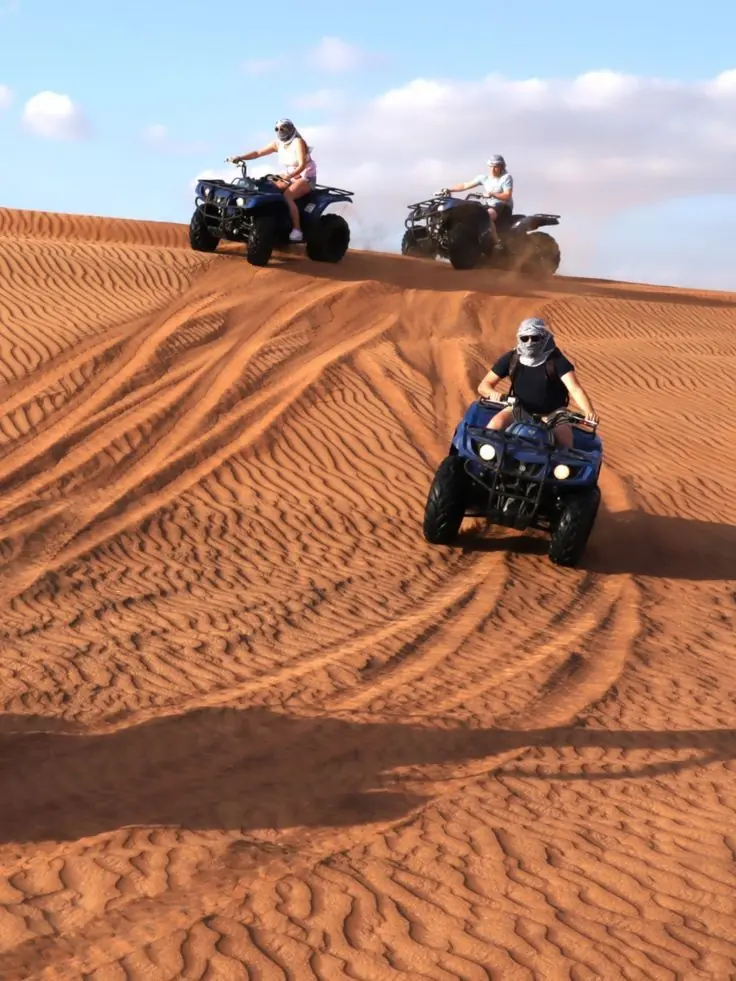
For adrenaline seekers visiting the Red City, Quad Biking in Marrakech is not just an excursion; it is a rite of passage.
There is a unique thrill in escaping the chaotic, narrow alleyways of the Medina, swapping the noise of the souks for the roar of an engine, and tearing across the open Moroccan landscape. It is consistently rated as one of the top things to do in Morocco for a reason.
However, if you have started researching tours, you have likely hit a wall of confusion. You are presented with two distinct choices for your ride: The Palmeraie (Palm Grove) or The Agafay Desert.
Which one is better? Is Agafay worth the longer drive? Is the Palmeraie too touristy? And crucially, are there actual sand dunes? (Spoiler: No).
This guide cuts through the marketing noise. We will break down the terrain, the costs, the safety standards, and the overall experience of both locations to help you throttle up with confidence.
The Great Debate Quad Biking in Marrakech : Palmeraie vs. Agafay
To choose the right Quad Biking in Marrakech package, you first need to understand that these are two completely different ecosystems.
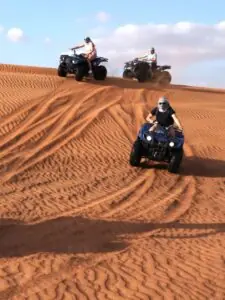
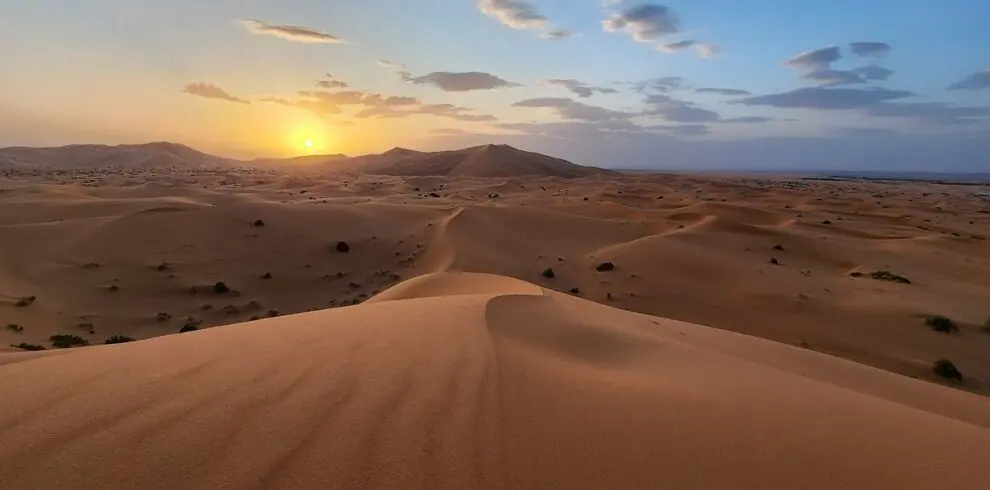
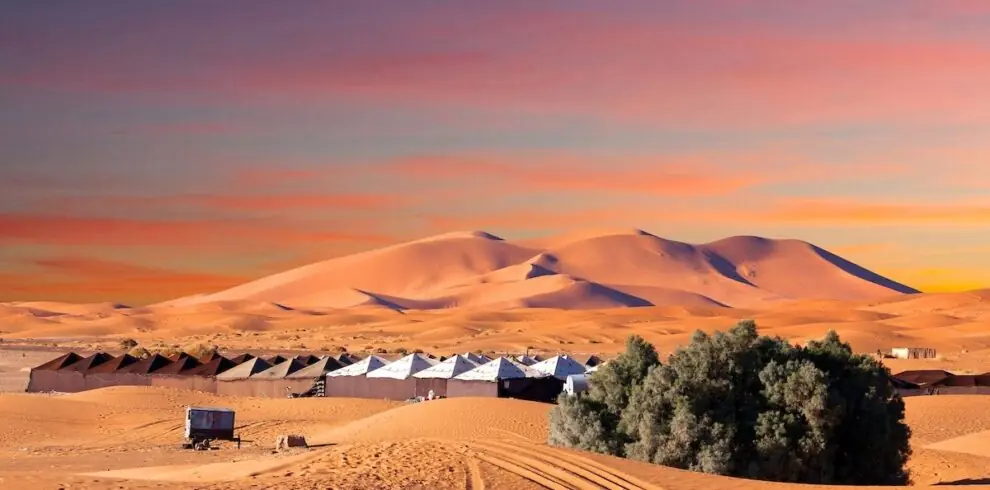
Many travelers arrive expecting the rolling golden sand dunes of the Sahara (like Merzouga). It is vital to manage expectations immediately: Neither of these locations has sand dunes. Marrakech is located in a flat plain near the mountains.
Here is the honest breakdown of the two arenas.
1. The Palmeraie: The Ancient Oasis
Located just 15 to 20 minutes from the city center, the Palmeraie is a vast oasis containing over 100,000 date palm trees. Legend says it was created centuries ago by the soldiers of the Almoravid dynasty spitting out date seeds.
The Terrain:
The ground here is a mix of hard-packed dirt, sand trails, and dried mud. It is relatively flat. You will weave through groves of palm trees, pass by traditional Berber villages made of clay, and occasionally cross dry riverbeds.
The Experience:
- Pros: It is very close to town, making it perfect for a half-day trip (morning or afternoon) without wasting hours in a van. It feels lush, historic, and culturally immersive as you pass local settlements.
- Cons: It can be dusty and busy. Because it is so close to the city, you will likely see other quad groups and camels sharing the trails.
- Best For: Beginners, families with younger kids, and those on a tight schedule.
2. The Agafay Desert: The Stone Moonscape
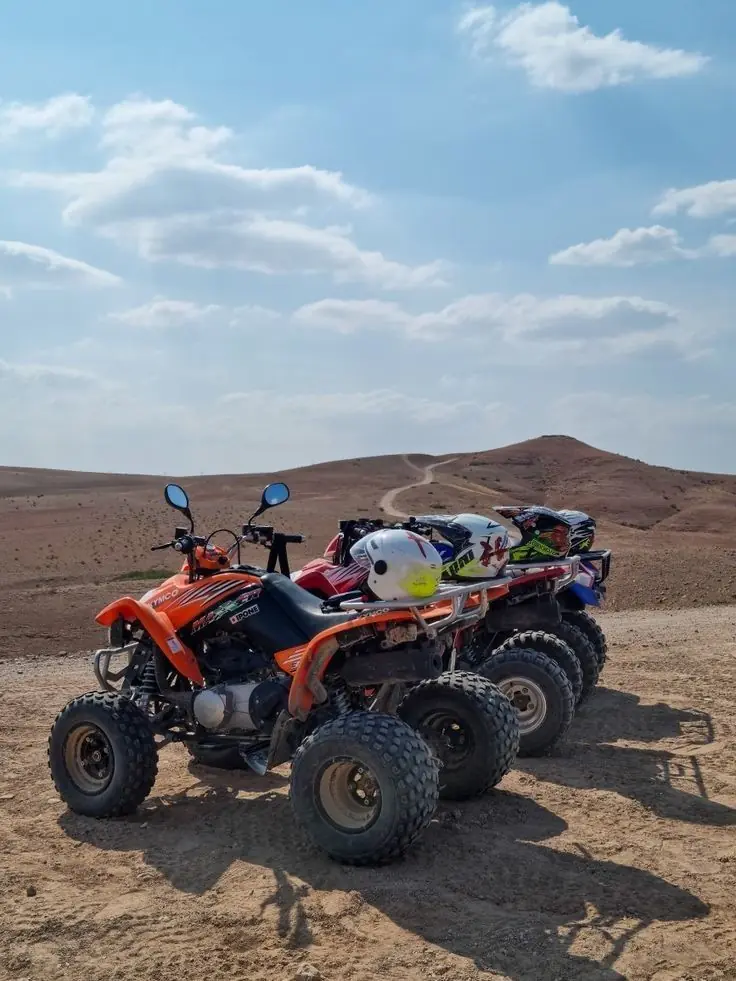
Located about 45 to 60 minutes south of Marrakech, Agafay is a “Reg” or stone desert. It looks less like the Sahara and more like the surface of the moon or the deserts of Arizona.
The Terrain:
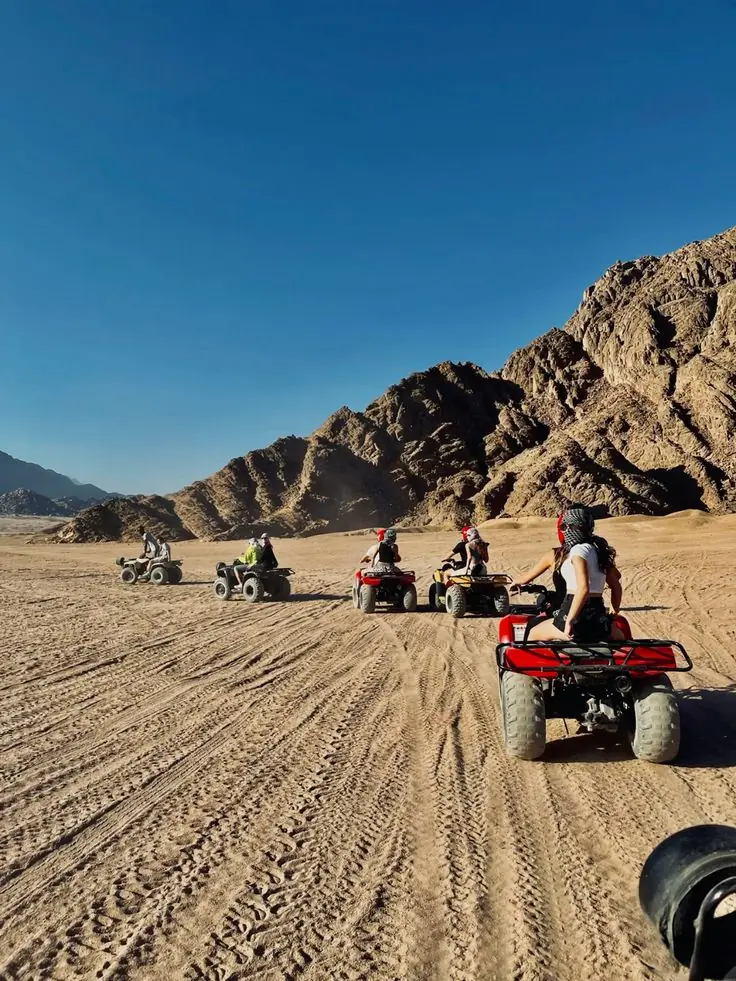
This is rugged country. The landscape consists of endless rolling hills covered in rocks, steep climbs, and vast open plateaus. In the distance, you have the spectacular backdrop of the snow-capped High Atlas Mountains.
The Experience:
- Pros: The views are unbeatable. It feels remote, wild, and adventurous. The terrain is more technical and fun for drivers who want a bit of freedom. The sunset here is world-class.
- Cons: The transfer time is longer (2 hours round trip). It is generally more expensive than the Palmeraie.
- Best For: Couples, photographers, thrill-seekers, and anyone chasing a dramatic sunset.
Detailed Comparison: Which Ride is Right for You?
Still undecided? Here is a side-by-side comparison to help you visualize the trade-offs.
| Feature | The Palmeraie | The Agafay Desert |
| Transfer Time | 15–20 Minutes | 45–60 Minutes |
| Scenery | Palm Trees, Villages, Oasis | Rocky Dunes, Mountains, Open Sky |
| Difficulty | Easy / Flat | Moderate / Hilly |
| Dust Level | High | Moderate |
| Price Point | Budget / Mid-Range | Premium |
| Vibe | Fun & Accessible | Epic & Cinematic |
Pricing: What Does It Cost?
Transparency is key when booking Quad Biking in Marrakech. Prices can vary based on whether you book a private tour or a small group, and the quality of the machines.
Palmeraie Prices
Because competition is high and transport costs are low, the Palmeraie is the budget-friendly option.
- Driver: Expect to pay 300 to 450 MAD (€30–€45) per person.
- Passenger: If you share a quad (one driver, one passenger), the passenger usually pays half price (approx. 150-200 MAD).
Agafay Prices
You are paying for the extra fuel to get there and the exclusivity of the location.
- Driver: Expect to pay 500 to 800 MAD (€50–€80) per person.
- Inclusions: Higher-end Agafay tours often include a better quality snack (Moroccan pancakes and tea) or even a dinner add-on under the stars.
Pro Tip: Avoid the ultra-cheap street sellers in Jemaa el-Fnaa offering quads for €15. These often use old, unsafe machines with poor brakes, or they stick you in a large group of 30 people moving at a snail’s pace.
The Experience: What to Expect
Regardless of the location, the flow of a Quad Biking in Marrakech tour usually follows a standard format. Knowing this helps you plan your day.
1. The Pickup
Most reputable operators include hotel pickup. If you are in a Riad in the Medina (where cars can’t go), you will meet at the nearest square. You will be driven to the quad base in a minibus or 4×4.
2. The Gear Up & Briefing
Upon arrival, you will sign a liability waiver. Then comes the gear. You will be given:
- Helmet: Mandatory.
- Goggles: Essential for the dust.
- Hair Net: For hygiene under the helmet.
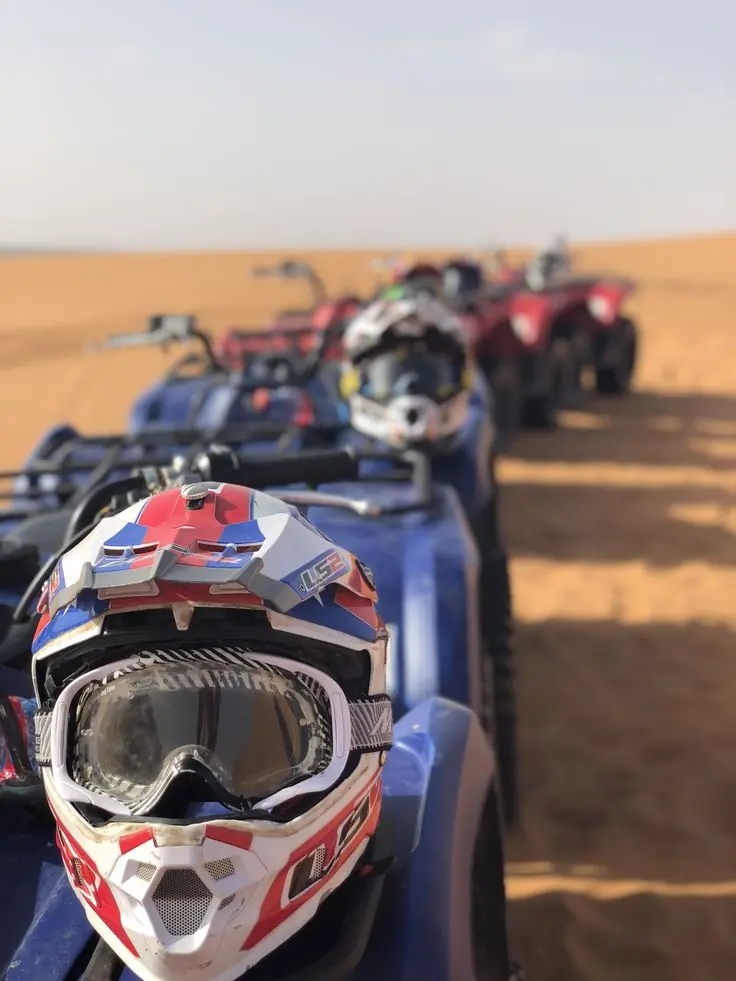
- The Cheich: Guides will wrap a traditional scarf around your face. This isn’t just for style; it filters the dust.
You will then get a 10-minute briefing on how to operate the quad (usually automatic Yamaha or Kymco 300cc/350cc bikes). It’s simple: gas thumb-throttle on the right, brake on the left handlebars.
3. The Test Drive
You will do a few laps in a safe zone so the guides can assess your driving ability. If you are dangerous or incompetent, they may ask you to ride as a passenger.
4. The Ride (2 Hours)
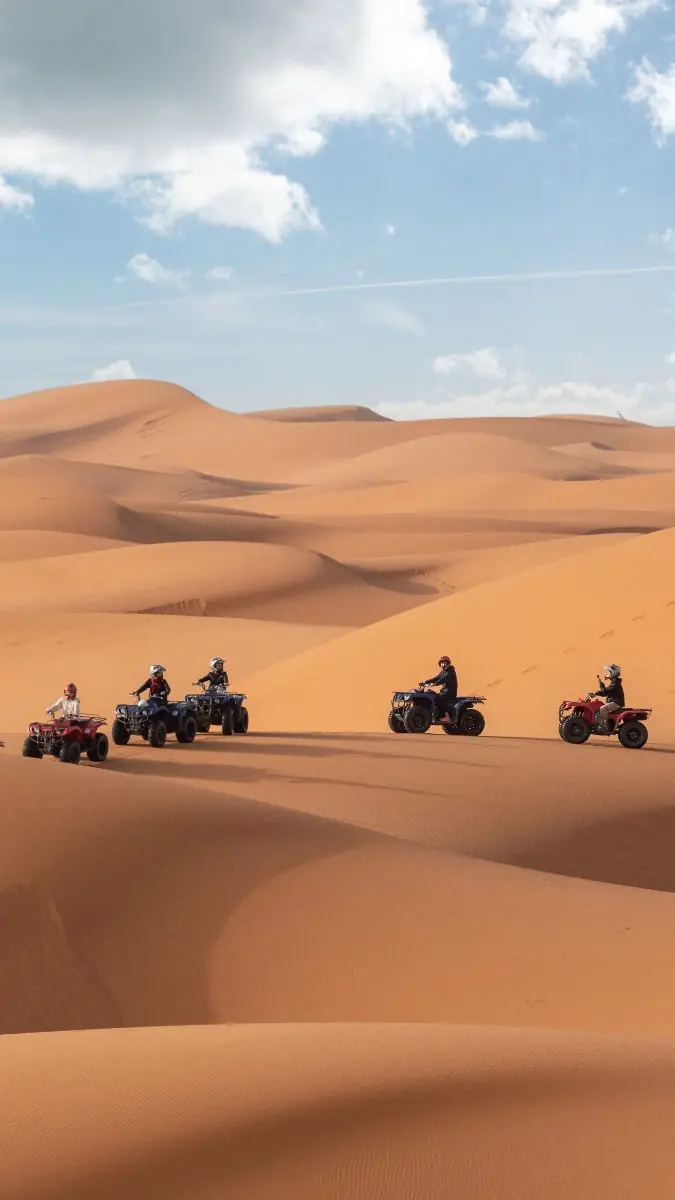
The standard tour includes about 1.5 to 2 hours of actual driving time. You follow a lead guide. In the Palmeraie, you weave through trees; in Agafay, you crest hills.
- The Tea Stop: Halfway through, you will stop at a Berber tent (in Palmeraie) or a viewpoint (in Agafay) for mint tea and bread. This is a great chance to wash the dust out of your throat and take photos.
Safety & Ethics
Is it safe? Generally, yes, but it is an adventure sport.
The Machines:
Reputable companies maintain their fleets well. The quads are stable and wide. Flipping a quad usually only happens if a driver is being reckless, doing donuts, or ignoring the guide’s path.
The Guides:
Your guide is there to ensure safety. They will constantly look back. If you want to go faster, ask them. Often, they will split the group into “fast” and “slow” sections if the terrain allows, or let experienced riders have a brief “free ride” moment on a safe plateau.
Insurance:
Always check that your travel insurance covers “ATV/Quad Biking.” Some basic policies exclude it as an extreme sport.
What to Wear (Crucial Advice)
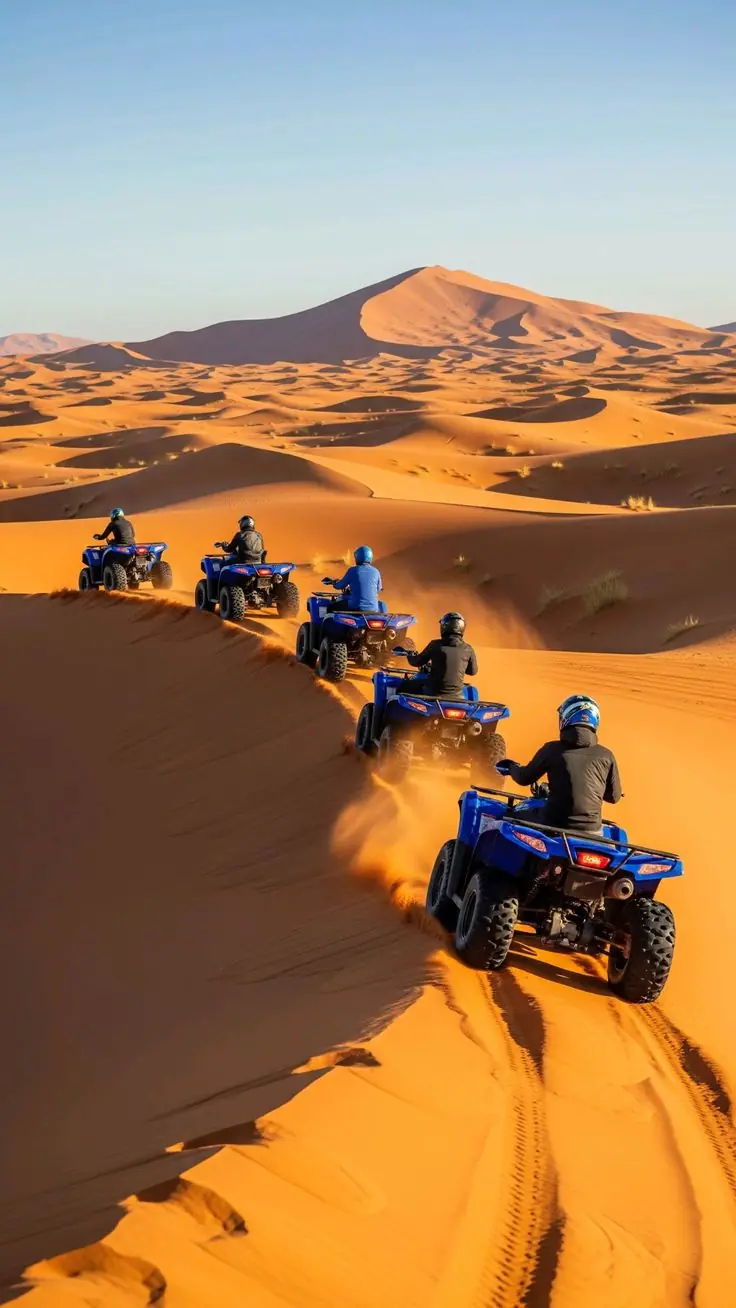
This is the most common mistake travelers make. You are going into a dusty, hot, engine-filled environment. Dress for function, not fashion.
- Closed-Toe Shoes: Do not wear flip-flops or sandals. The engine heat is near your feet, and you need grip. Sneakers or boots are mandatory.
- Long Pants: Even in summer, wear lightweight long trousers. You want to protect your legs from the engine heat and potential scrapes from bushes.
- Sunglasses: Even if you get goggles, bring sunglasses for the tea stop.
- Sunscreen: The Moroccan sun is deceptive, especially with the wind in your face.
- Avoid White Clothing: The dust in Marrakech is red/brown. It will stain white clothes. Wear dark colors or earth tones.
Best Time of Day to Ride
Timing can change the experience from “sweaty” to “spectacular.”
Morning (9:00 AM or 10:00 AM):
Great in the summer months to beat the heat. The air is clearer, and the light is crisp. It leaves your afternoon free for the pool or souks.
Sunset (Late Afternoon):
This is the “Golden Hour.”
- In Agafay: This is the absolute best time. Watching the sun drop behind the Atlas Mountains while the sky turns purple is magical.
- In Palmeraie: Also beautiful, as the sun rays cut through the palm fronds.
Avoid Mid-Day (1:00 PM – 3:00 PM):
The light is flat for photos, and the heat can be exhausting, especially in July and August when temperatures hit 40°C+ (104°F).
Conclusion: Which Throttle Should You Twist?
Ultimately, Quad Biking in Marrakech is a highlight of any trip, offering a sense of freedom you can’t find inside the city walls.
If you are a family with teens, a group of friends on a budget, or just want a quick blast of fun without a long drive, head to the Palmeraie. It is iconic, accessible, and thrilling.
If you are a couple, a photographer, or someone who wants to feel the scale of nature and witness a sunset that will stay with you forever, spend the extra money and time to go to Agafay. The stone desert offers a grandeur that the palm grove cannot match.
Whichever you choose, grip the handlebars, respect the machine, and prepare to get a little dusty. It’s part of the adventure.
Frequently Asked Questions (FAQs)
1. Do I need a driver’s license to ride a quad in Marrakech?
No, you do not need a driver’s license for off-road quad biking tours in Morocco. You will ride on private tracks and trails, not public roads. However, you must be 16+ to drive (varies by operator) and physically capable of controlling the bike.
2. Can children participate?
Yes. Children under 16 usually cannot drive, but they can ride as passengers behind an adult. Many operators allow kids as young as 6 or 7 to be passengers, provided they can hold on securely. Always check the specific age policy of your tour provider.
3. Is it difficult for beginners?
Not at all. The quads are automatic (no gears to shift). If you can ride a bicycle and drive a go-kart, you can ride a quad. The Palmeraie terrain is particularly flat and easy for first-timers. Agafay has some hills but is manageable for beginners under guide supervision.
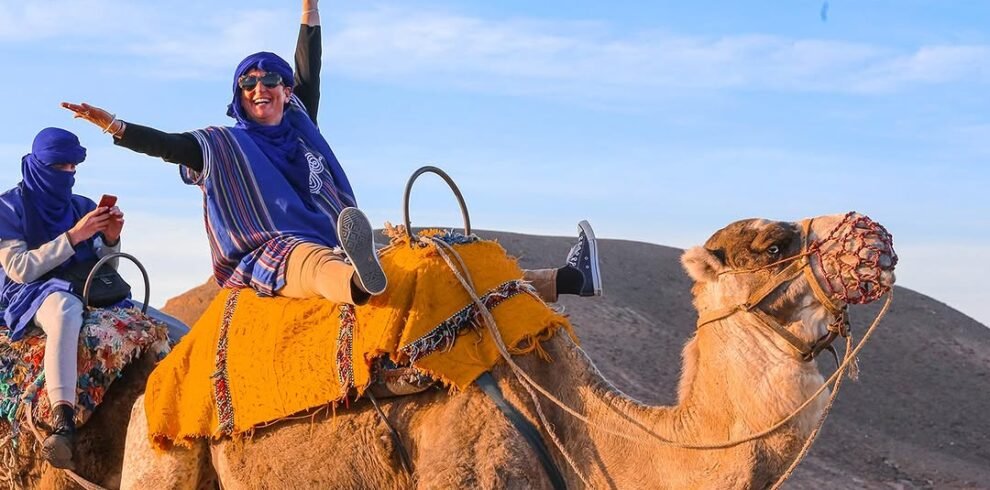
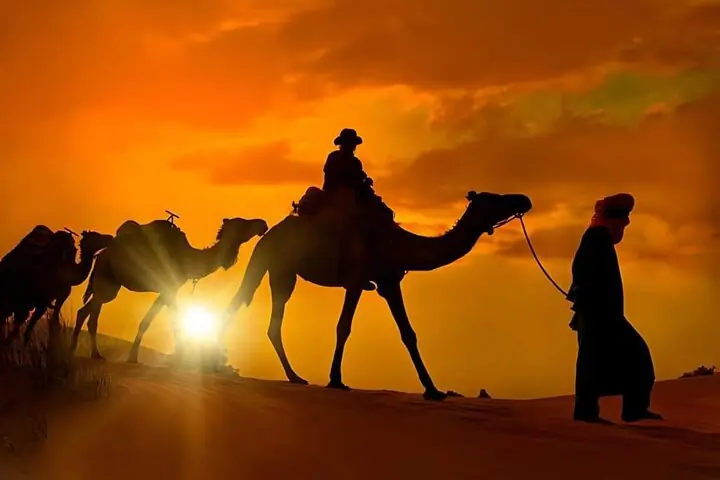
4. Can I combine Quad Biking with a Camel Ride?
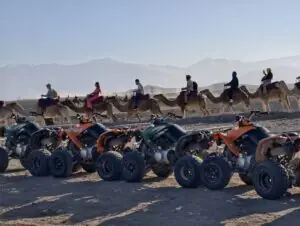
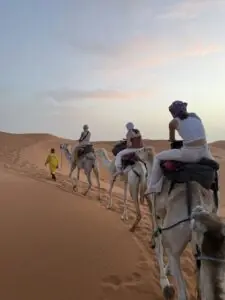
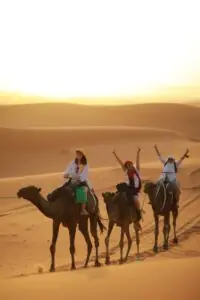
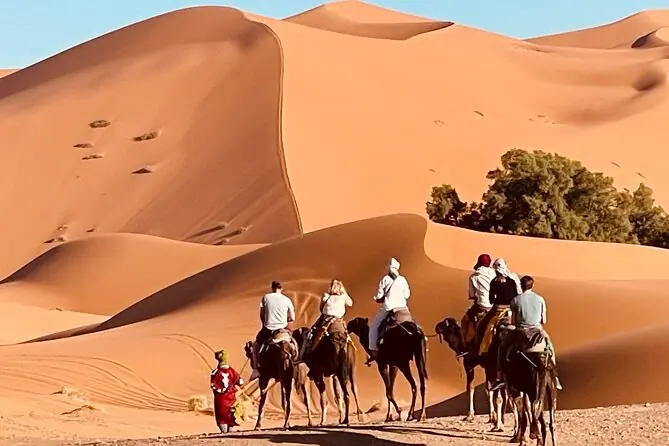
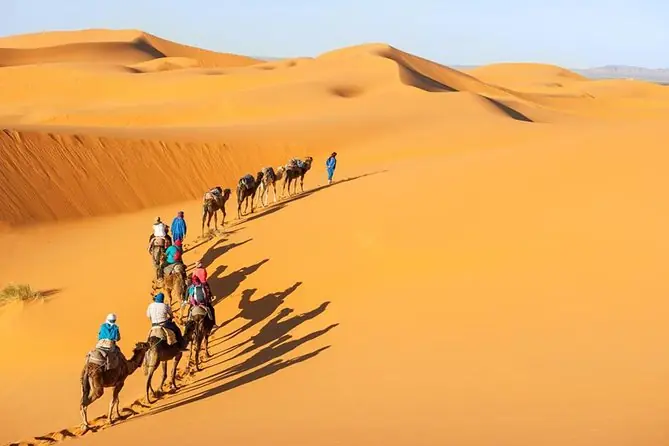
Yes! The “Quad + Camel Combo” is one of the most popular packages in Marrakech. You typically do 1 hour of camel riding followed by 2 hours of quad biking. It’s a great way to experience both the traditional and modern ways of crossing the desert in a single half-day trip.