By [marrakech-history] Editorial Team
Last Updated: December 10, 2025
Is the Moroccan desert safe?
This is the number one question we receive from travelers planning their first expedition to the Sahara. When you look at a map and see the vast emptiness of the dunes, or realize that the popular Erg Chebbi dunes sit near the border of Algeria, it is natural to feel a mix of excitement and apprehension.
The short answer is: Yes, the Moroccan Sahara is remarkably safe for tourists.
In fact, many travelers find the desert feels safer and more welcoming than the busy streets of major European capitals. However, the desert is a wild environment, and it demands respect.
As we head into the 2026 travel season, here is an honest, transparent breakdown of the risks, the realities, and the safety tips you need to know before you go.
1. The Border Question: Proximity to Algeria
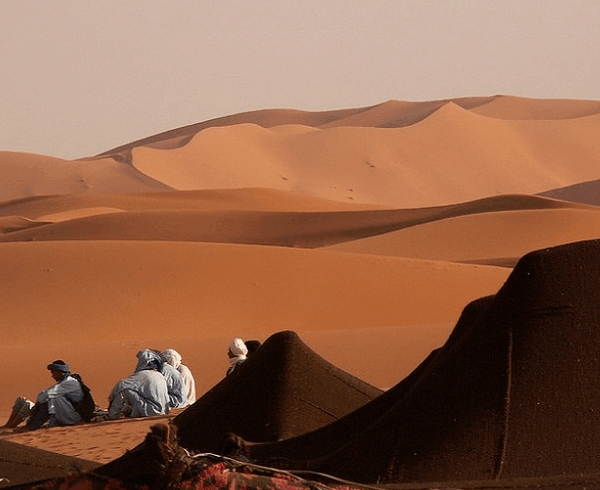
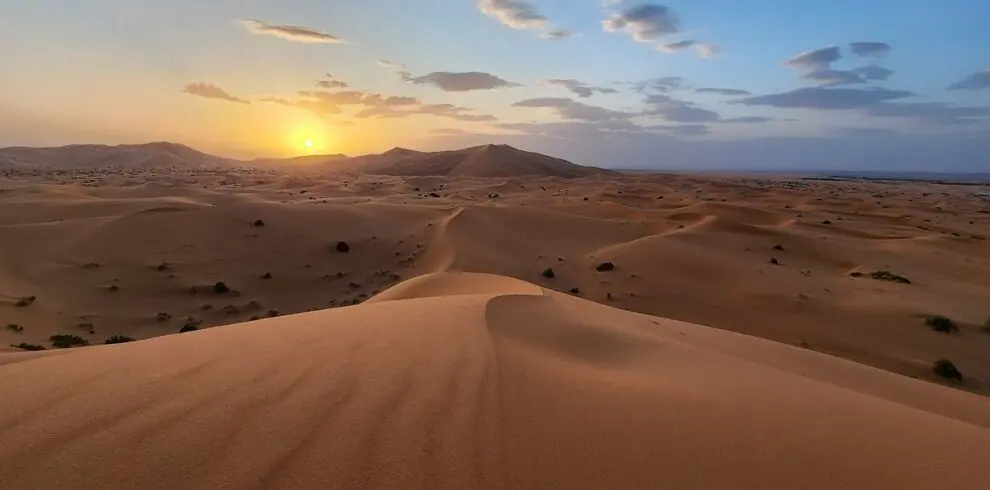
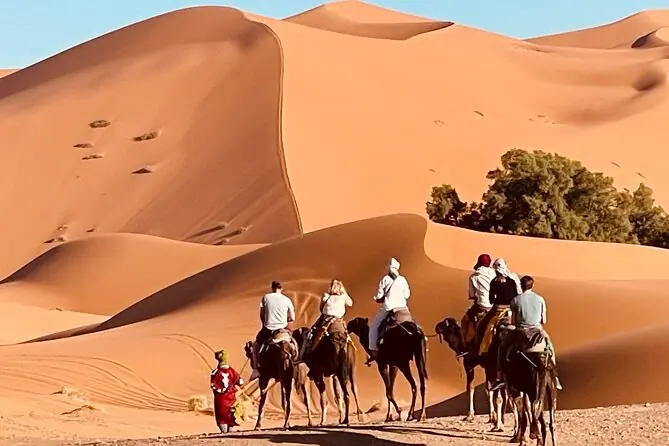
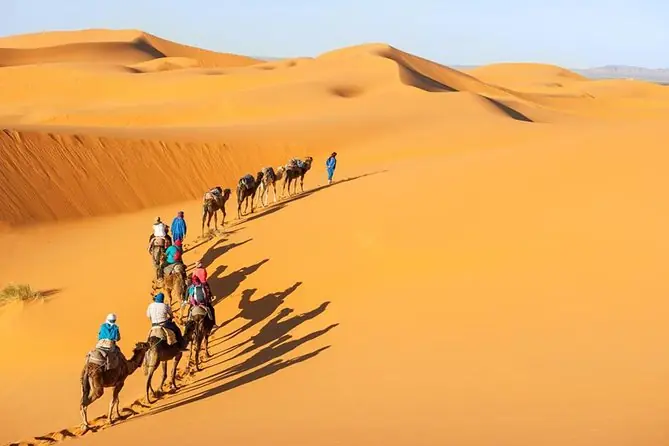
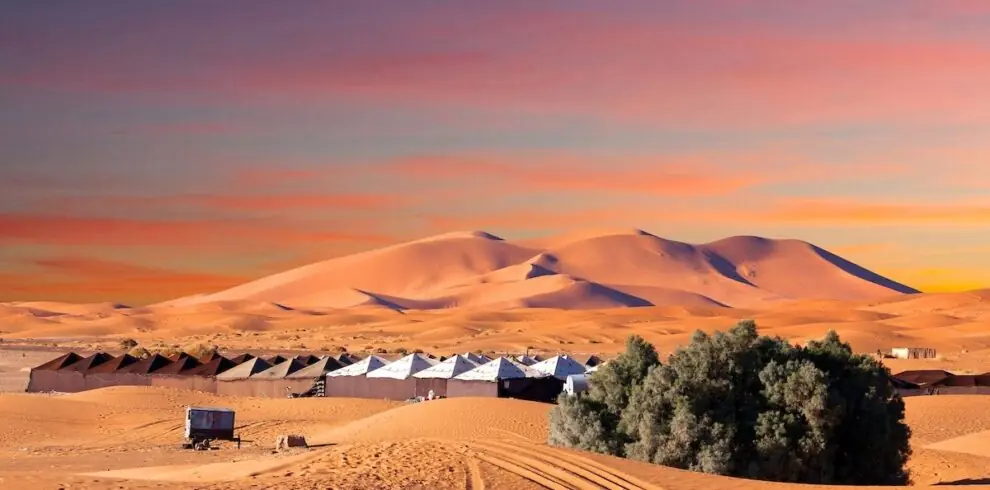
One of the most common fears stems from geography. The famous dunes of Merzouga (Erg Chebbi) are located less than 50 kilometers from the Algerian border.
- The Reality: The land border between Morocco and Algeria has been closed for decades due to diplomatic tensions. Because of this, the area is heavily monitored by the Moroccan military and the Gendarmerie Royale.
- What This Means for You: It means the region is incredibly secure. The military presence is there to secure the border, not because there is active conflict. You will see checkpoints on the roads leading to the desert—these are standard procedure to ensure safety.
- The Rule: Never attempt to drive off-road toward the border without a guide. Stay within the tourist zones of the dunes, and you are in one of the most secure parts of North Africa.
2. Wildlife: Scorpions, Snakes, and Spiders
The Sahara is a living ecosystem, not just a sandbox. There are critters here.
- The Seasonal Truth: If you are visiting right now (December/January) or through early spring, you have very little to worry about. Reptiles and scorpions are cold-blooded; during the winter months, they hibernate.
- Summer Caution: If you visit between May and September, scorpions and vipers are active.
- Safety Tip: Regardless of the season, adopt the “Desert Rule”: Always shake out your shoes before putting them on in the morning. At night, keep your bags zipped shut.
3. Physical Safety: Getting Lost and Dehydration
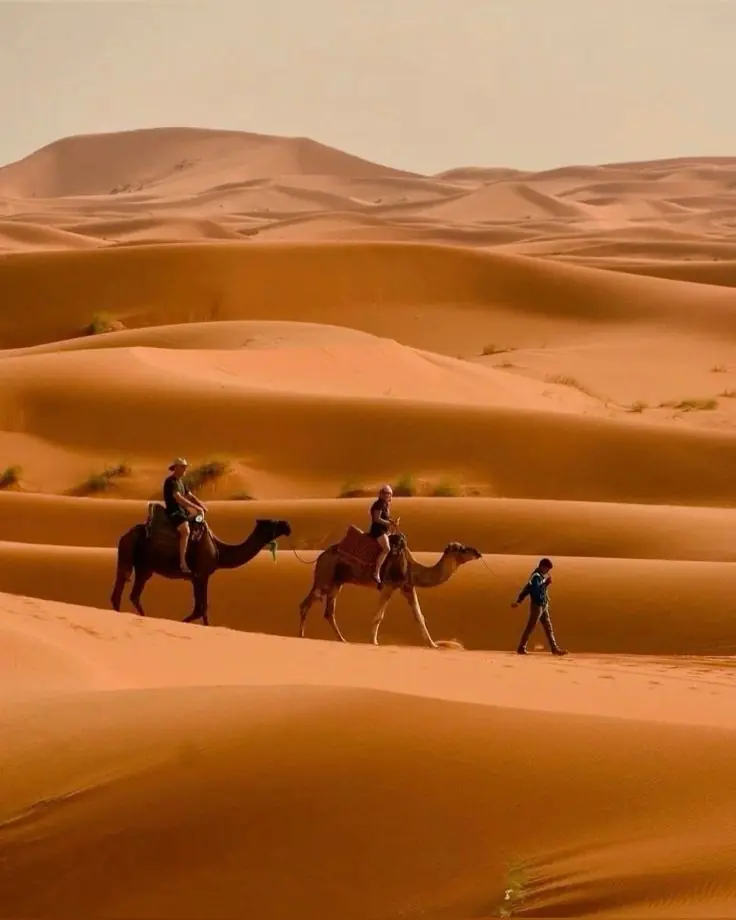
The biggest danger in the desert isn’t bandits or borders—it is nature itself.
- Dehydration: The air is so dry that your sweat evaporates instantly. You can lose liters of water without realizing it.
- Action: Drink water even when you aren’t thirsty. If you have a headache, you are already dehydrated.
- Getting Lost: The dunes of Erg Chebbi and Erg Chigaga shift with the wind. Landmarks disappear.
- Action: Never wander deep into the dunes alone, especially at night. If you want to take a walk, keep the camp lights in sight at all times.
4. Personal Safety: Crime and Scams
Is the Moroccan desert safe from theft or harassment?
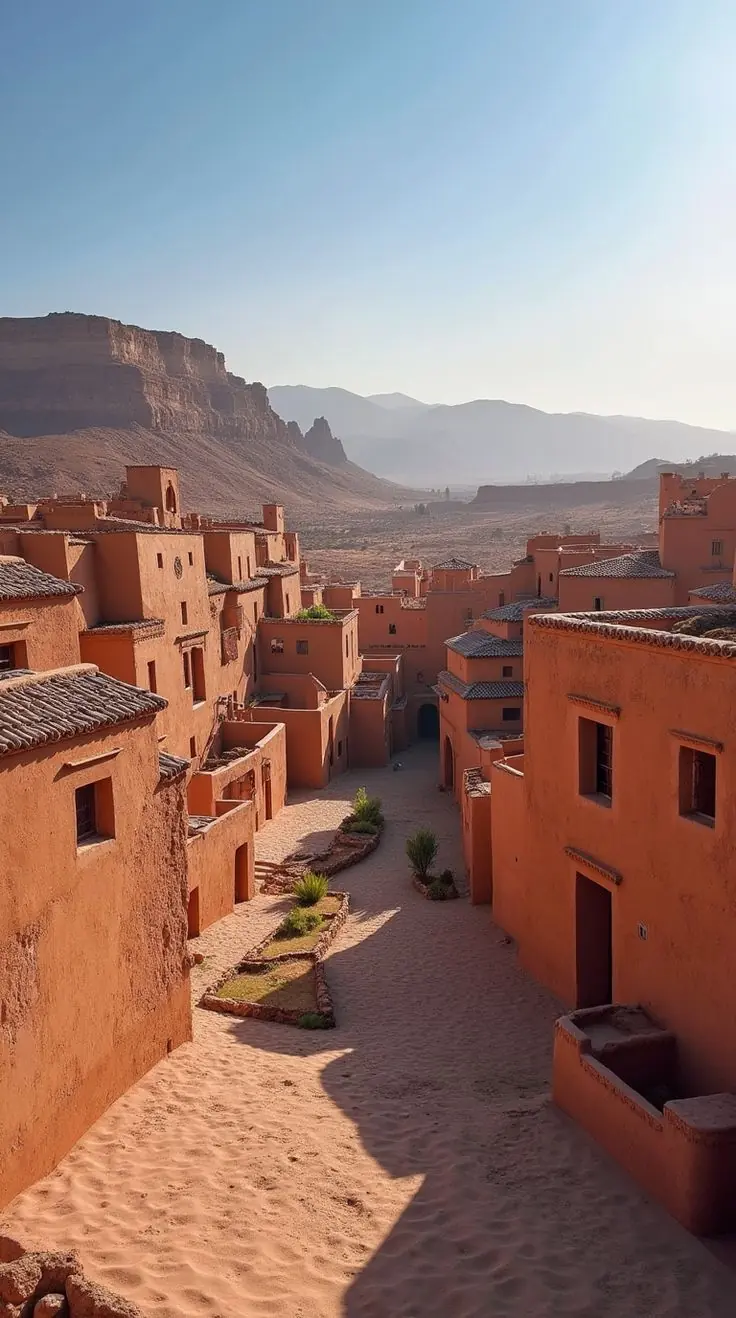
- The Community: The desert regions (Merzouga, Zagora, M’Hamid) are small, tight-knit communities mostly inhabited by Amazigh (Berber) people. The culture is built on hospitality. Crime against tourists is extremely rare because tourism is the lifeblood of the local economy.
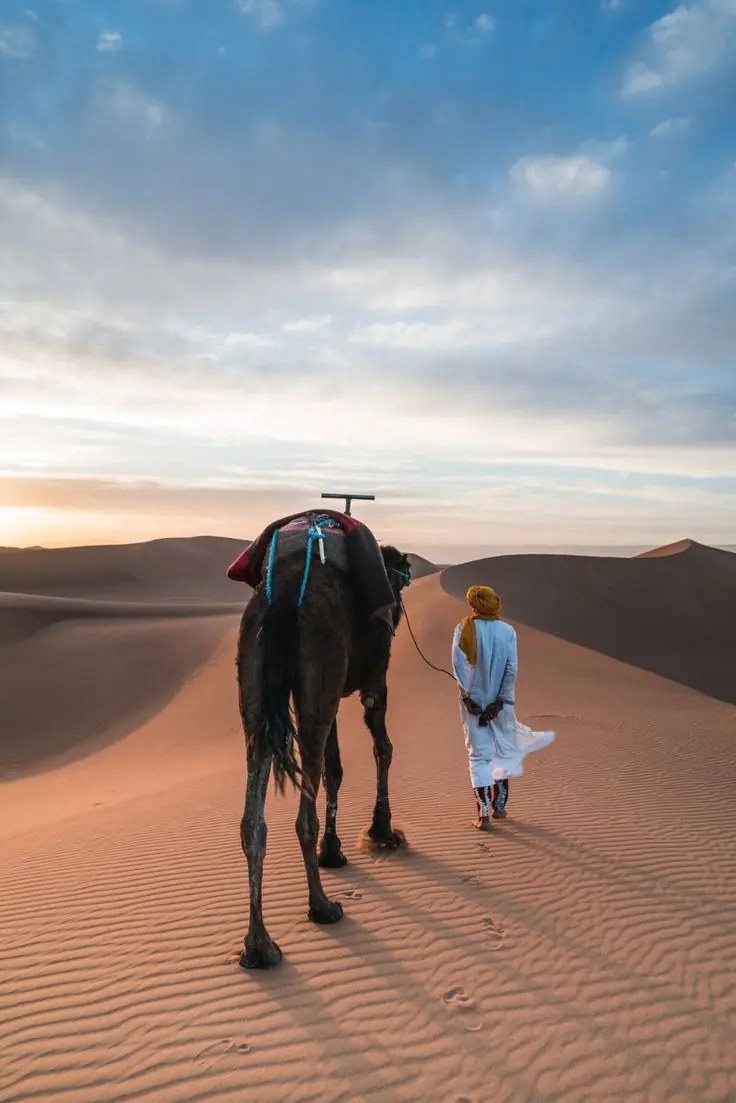
- Solo Female Travelers: The desert is generally very safe for women. The “hassle” and catcalling that can happen in the medinas of Marrakech are almost non-existent in the deep desert. Guides are professionals who value their reputation.
- Theft: While rare, common sense applies. Don’t leave your passport or expensive camera unattended in an unlocked tent.
5. The Drive: The Road to the Dunes
Ironically, the most “dangerous” part of a desert trip is the car ride to get there.
The journey from Marrakech to Merzouga involves crossing the High Atlas Mountains via the Tizi n’Tichka pass. The roads are winding, steep, and can be icy in winter (like now, in December).
- Our Advice: Do not self-drive if you are not experienced with mountain roads. Hiring a professional driver or booking a tour is statistically much safer. Moroccan drivers know every curve of these roads.
6. Connectivity: Will I Have Signal?
In 2025/2026, the connectivity in the desert has improved drastically.
- 4G Access: You will likely have full 4G signal (Maroc Telecom is best) on top of the high dunes in Merzouga.
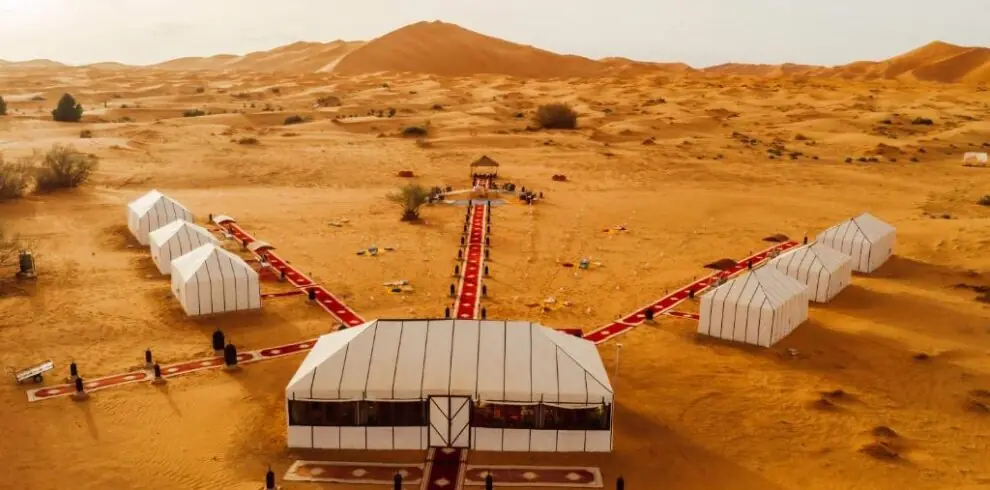
- In Camp: Most luxury camps now offer Wi-Fi in the main dining tents.
- Safety Net: This means that even in the “middle of nowhere,” you can usually contact the outside world in an emergency.
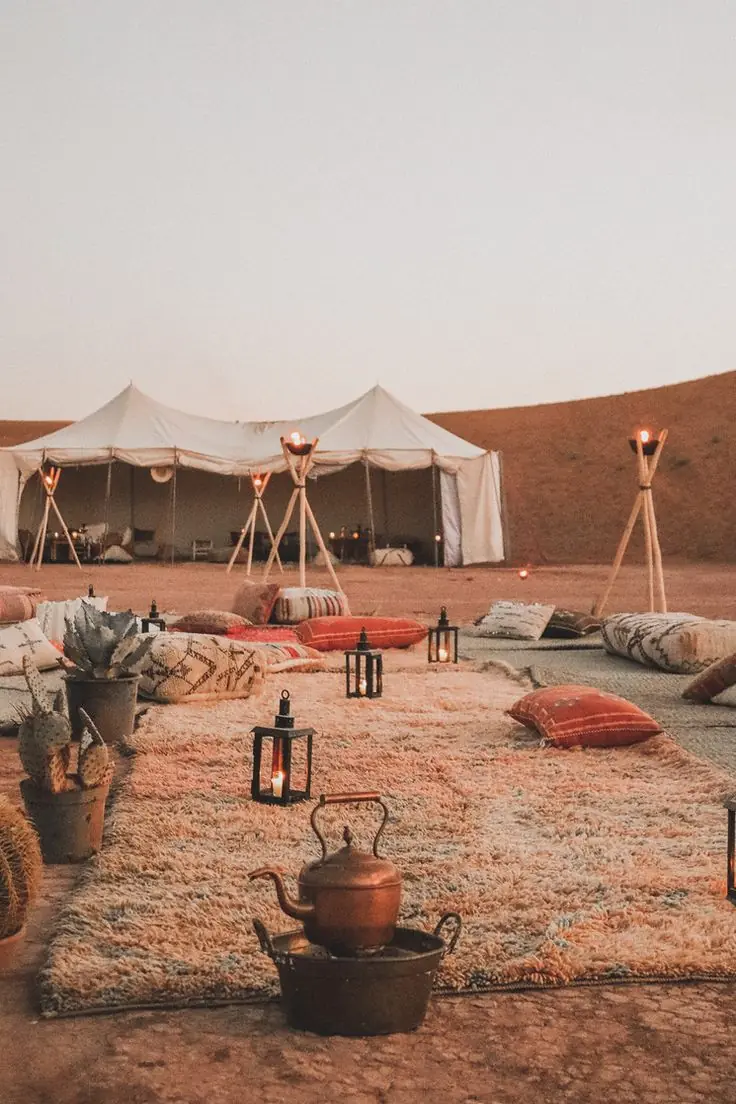
7. Essential Safety Tips for First-Timers
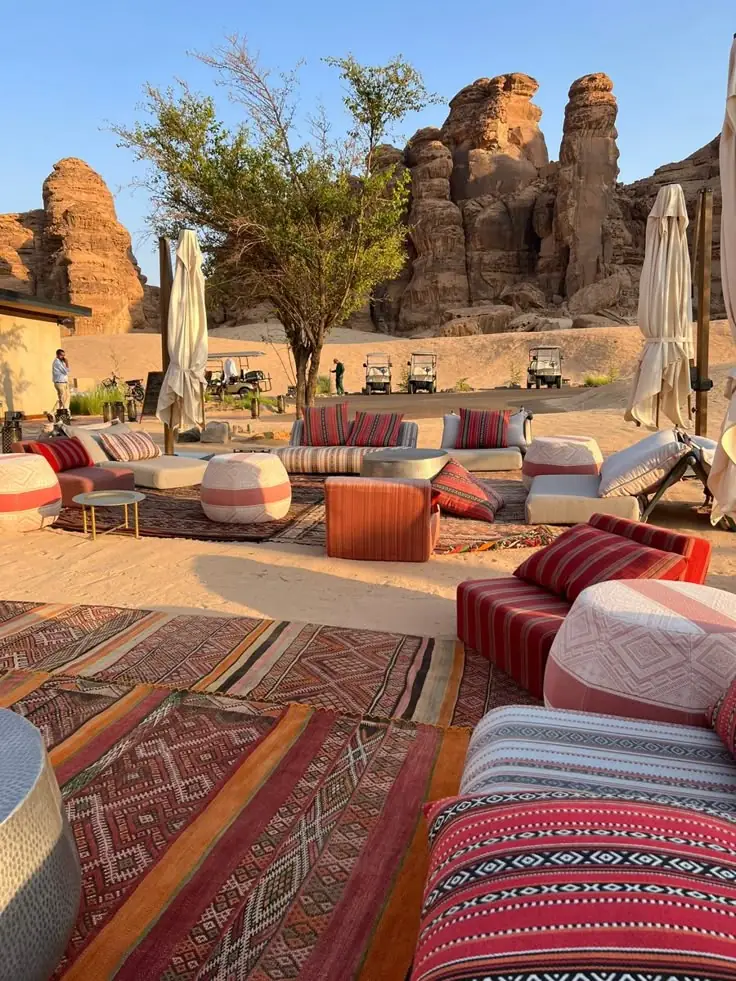
To ensure your trip is memorable for the right reasons, follow these simple guidelines:
- Book with Reputable Operators: Avoid “too good to be true” cheap tours sold on the street. Cheap tours often cut corners on vehicle maintenance or use unlicensed guides.
- Dress for the Temperature: Hypothermia is a real risk in winter. It may be 20°C (68°F) at noon, but it will be 0°C (32°F) at midnight. Bring thermal layers.
- Trust Your Guide: If a sandstorm kicks up or the guide says a route is unsafe, listen to them. They know the Sahara better than anyone.
Final Verdict: Is It Worth It?
Is the Moroccan desert safe? Yes.
It is a place of profound silence, beauty, and peace. The risks are manageable with common sense and a good guide.
Don’t let fear hold you back. Watching the Milky Way rise over the dunes is an experience that touches the soul—and it is one of the safest adventures you can have in Africa.
Ready to explore with confidence?
Our tours are led by certified, local experts who prioritize your safety above all else. [View our Safety-First Desert Itineraries] for 2026.