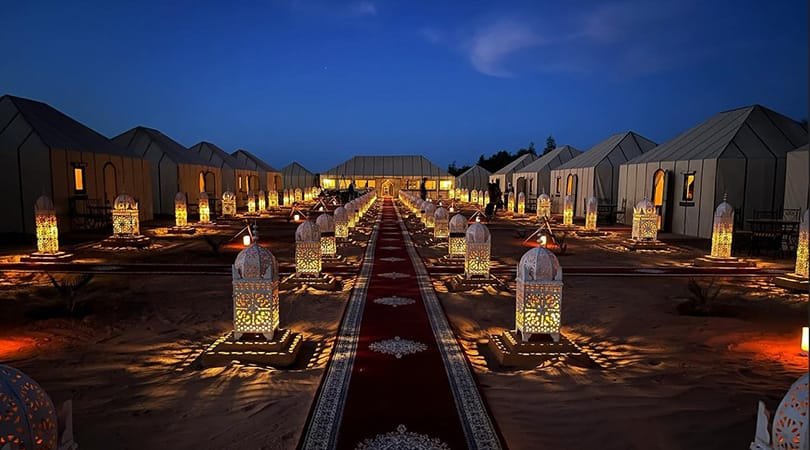
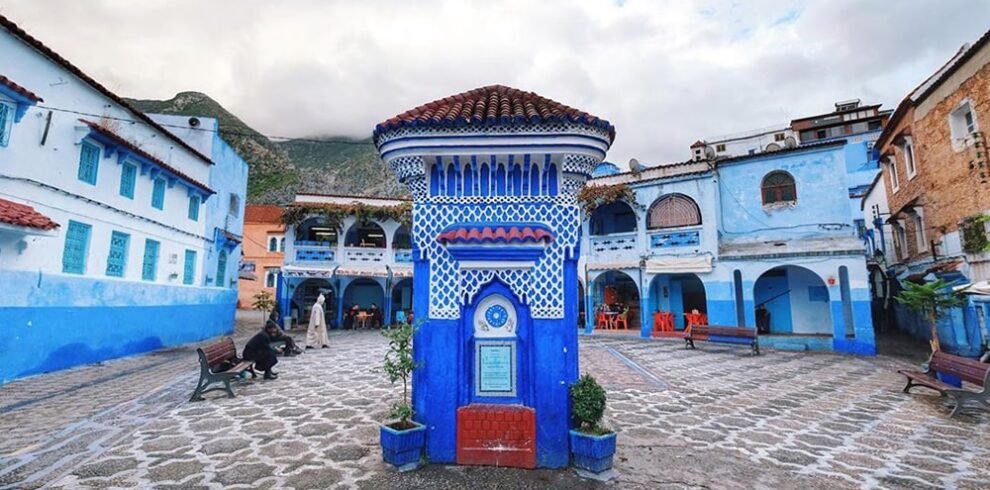
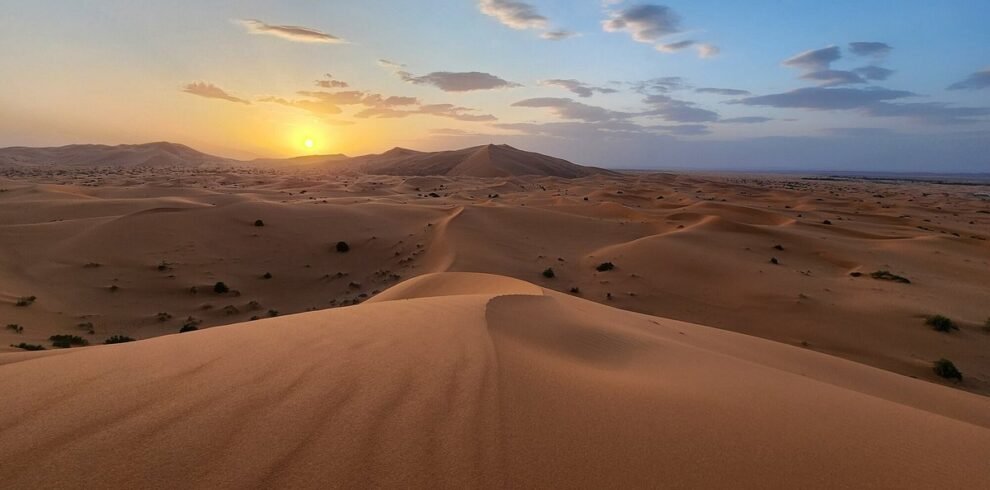
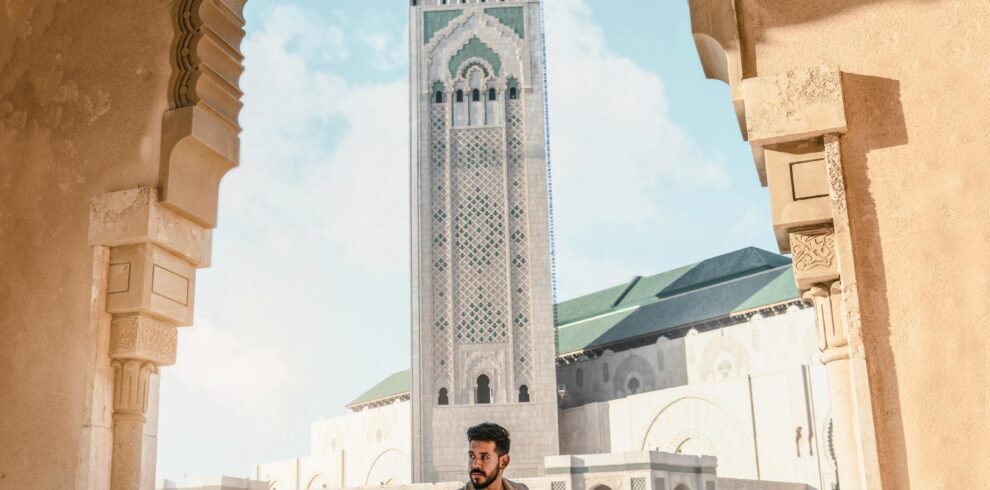
Discover the magic of Marrakech. From the bustling souks of the Medina to the serenity of Jardin Majorelle, explore the ultimate travel guide to Morocco’s Red City.
There are few places on Earth that assault the senses quite like Marrakech. It is a city of distinct aromas—burning oud, sharp cumin, and fresh mint tea. It is a riot of color—ochre walls, cobalt blue skies, and vibrant Berber rugs. It is a cacophony of sound—the call to prayer echoing against the Atlas Mountains, the rumble of motorbikes, and the rhythmic beat of Gnawa drums.
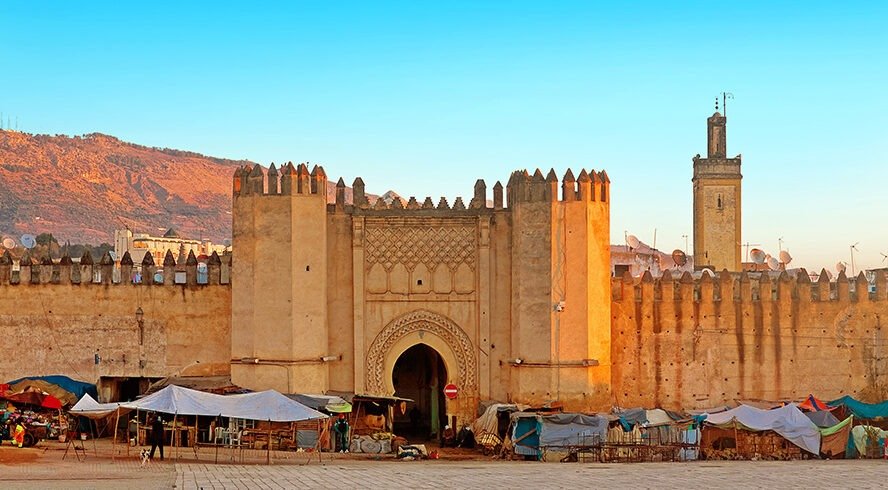
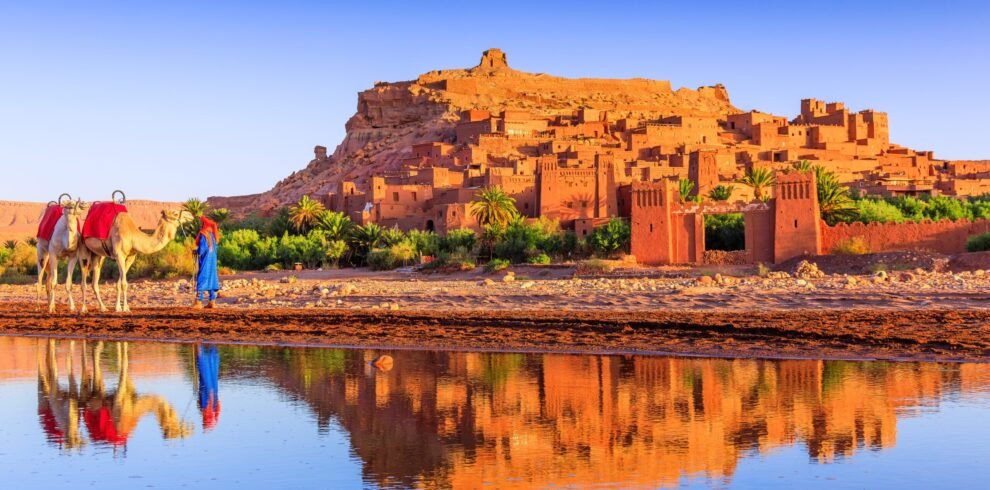
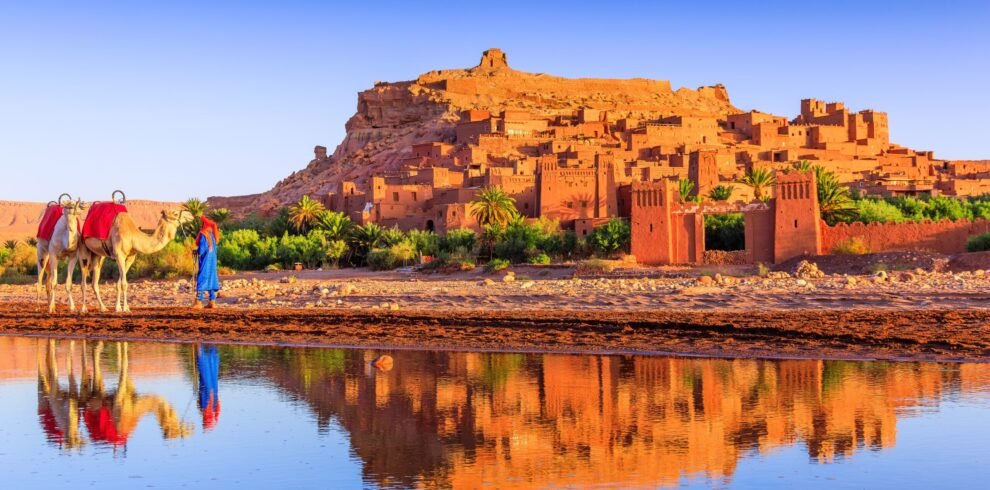
Known globally as the “Red City” due to the beaten clay used to build its ancient ramparts, Marrakech is the beating heart of Morocco. For travelers seeking a blend of ancient history, modern luxury, and high-octane culture, this imperial city is an unrivaled destination.
Whether you are planning your first trip or returning to uncover more secrets, this guide explores the very best of Marrakech.
The Medina: Getting Lost in History
The soul of Marrakech lies within its Medina, a UNESCO World Heritage site founded in 1070 by the Almoravids. This walled medieval city is a labyrinth of narrow alleyways (derbs) that feel untouched by time.
Jemaa el-Fnaa: The World’s Stage
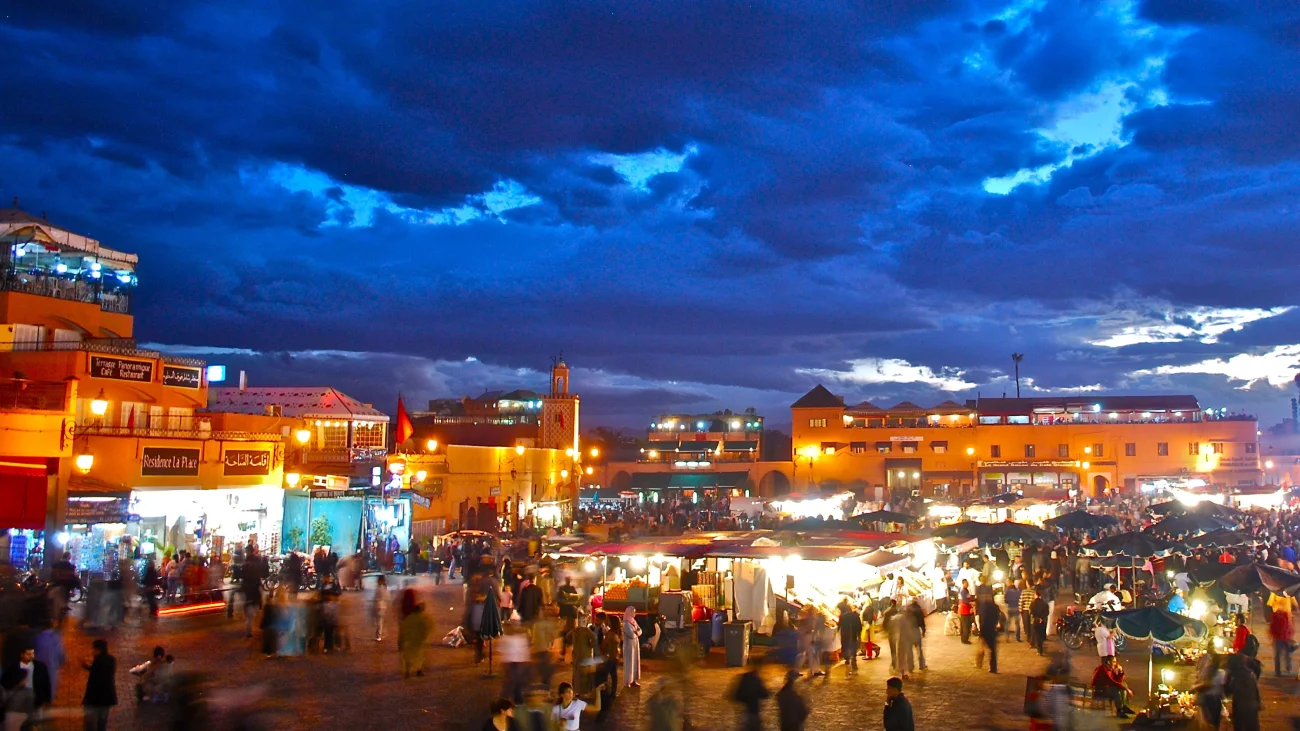
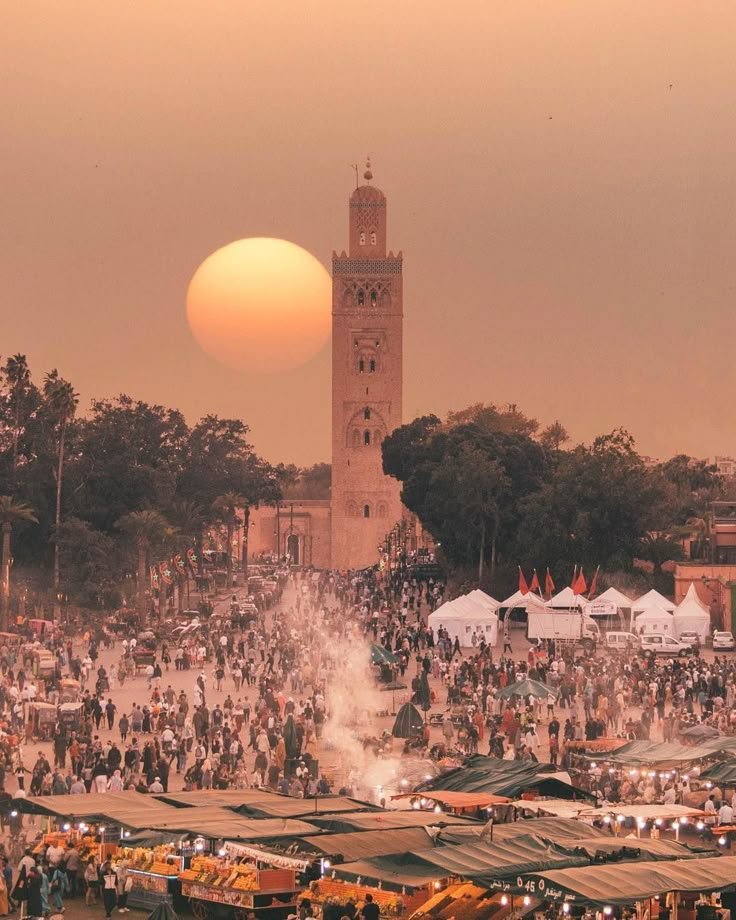
All roads in the Medina lead to Jemaa el-Fnaa. By day, this vast square is occupied by orange juice stallholders, snake charmers, and henna artists. As the sun sets, the square transforms into the world’s greatest open-air theater. Smoke rises from hundreds of food grills serving lamb skewers and harira soup, while storytellers and musicians entertain the circling crowds. It is chaotic, intense, and utterly mesmerizing.
The Souks: A Shopper’s Labyrinth
Just north of the main square lie the Souks of Marrakech. This is not merely shopping; it is a sport. The souks are divided by trade:
- Souk Semmarine: The main artery, selling everything from pastries to kaftans.
- Souk des Teinturiers: The Dyers’ Souk, famous for hanging skeins of drying wool in brilliant indigo and saffron.
- Souk Cherratine: The home of leather workers making bags, belts, and the famous babouche slippers.
Pro Tip: Haggling is expected. Start at one-third of the asking price, keep a smile on your face, and treat the negotiation as a social interaction rather than a transaction.
Architectural Marvels: Palaces and Mosques
Marrakech is a testament to the grandeur of Islamic architecture, showcasing intricate zellij tilework and carved cedar wood.
The Koutoubia Mosque
Standing tall over the city is the Koutoubia Mosque. Its 77-meter minaret is the city’s primary navigational landmark. Built in the 12th century, it served as the model for the Giralda in Seville. While non-Muslims cannot enter, the exterior gardens offer a peaceful respite and the perfect photo opportunity.
Bahia Palace
The Bahia Palace (meaning “The Beautiful”) captures the essence of the Moroccan style. Built in the 19th century, it was designed to be the greatest palace of its time. Visitors can wander through the expansive harem courtyards, filled with fountains and citrus trees, and admire the floor-to-ceiling mosaic work.
Ben Youssef Madrasa
Recently reopened after extensive renovations, the Ben Youssef Madrasa was once the largest Islamic theological college in North Africa. The architecture here is breathtaking, featuring a serene central courtyard reflecting the sky in its water basin, surrounded by stunning stucco and cedar craftsmanship.
The Gardens: Green Sanctuaries
Despite the dust and heat, Marrakech is surprisingly lush, thanks to ancient irrigation systems and a love for botanical beauty.
Jardin Majorelle & The YSL Museum
Perhaps the most Instagrammed location in Morocco, Jardin Majorelle is a psychedelic botanical garden created by French painter Jacques Majorelle and later saved by fashion designer Yves Saint Laurent. The contrast of the “Majorelle Blue” villa against the towering green cacti is iconic.
Located next door is the Yves Saint Laurent Museum, a sleek, terracotta marvel dedicated to the designer’s couture work and his deep love for Marrakech.
Where to Stay: Riad vs. Resort
Marrakech offers two distinct accommodation experiences, and choosing between them defines your trip.
The Traditional Riad
For the most authentic experience, stay in a Riad within the Medina. These are traditional Moroccan houses with an interior garden or courtyard. From the outside, they look like blank walls; inside, they are palaces of tranquility featuring fountains, plunge pools, and rooftop terraces.
- Top Picks: El Fenn, Riad Yasmine, Riad BE.
The Palmeraie Resorts
If you prefer vast spaces, swimming pools, and total luxury, head to the Palmeraie, a palm oasis on the city’s outskirts. Here you will find world-class resorts like the legendary La Mamounia (a favorite of Winston Churchill) and the Royal Mansour.
A Taste of Marrakech: Gastronomy
Moroccan cuisine is complex, slow-cooked, and heavily spiced.
- Tagine: The conical clay pot gives the dish its name. Try a Lamb Tagine with prunes and almonds, or a Chicken Tagine with preserved lemons and olives.
- Couscous: Traditionally served on Fridays, this semolina dish is steamed to perfection and topped with seven vegetables.
- Pastilla: A unique sweet and savory pie made of flaky pastry, stuffed with pigeon or chicken, almonds, and dusted with cinnamon and sugar.
- Mint Tea: Known as “Moroccan Whiskey,” this sugary tea is poured from a height to create a froth. It is a symbol of hospitality; never refuse a cup.
Practical Information for the Traveler
- Best Time to Visit: The best weather is found in spring (March to May) and autumn (September to November). Summer can be scorching (over 40°C/104°F), and winters can be surprisingly chilly at night.
- Currency: Moroccan Dirham (MAD). Cash is king in the Medina, though upscale restaurants accept cards.
- Dress Code: Morocco is a Muslim country. While Marrakech is liberal, it is respectful to dress modestly. Cover shoulders and knees when walking in the Medina.
- Getting Around: Walking is best in the Medina. For longer distances, use “Petit Taxis” (ensure the meter is on) or arrange transfers through your hotel.
Conclusion
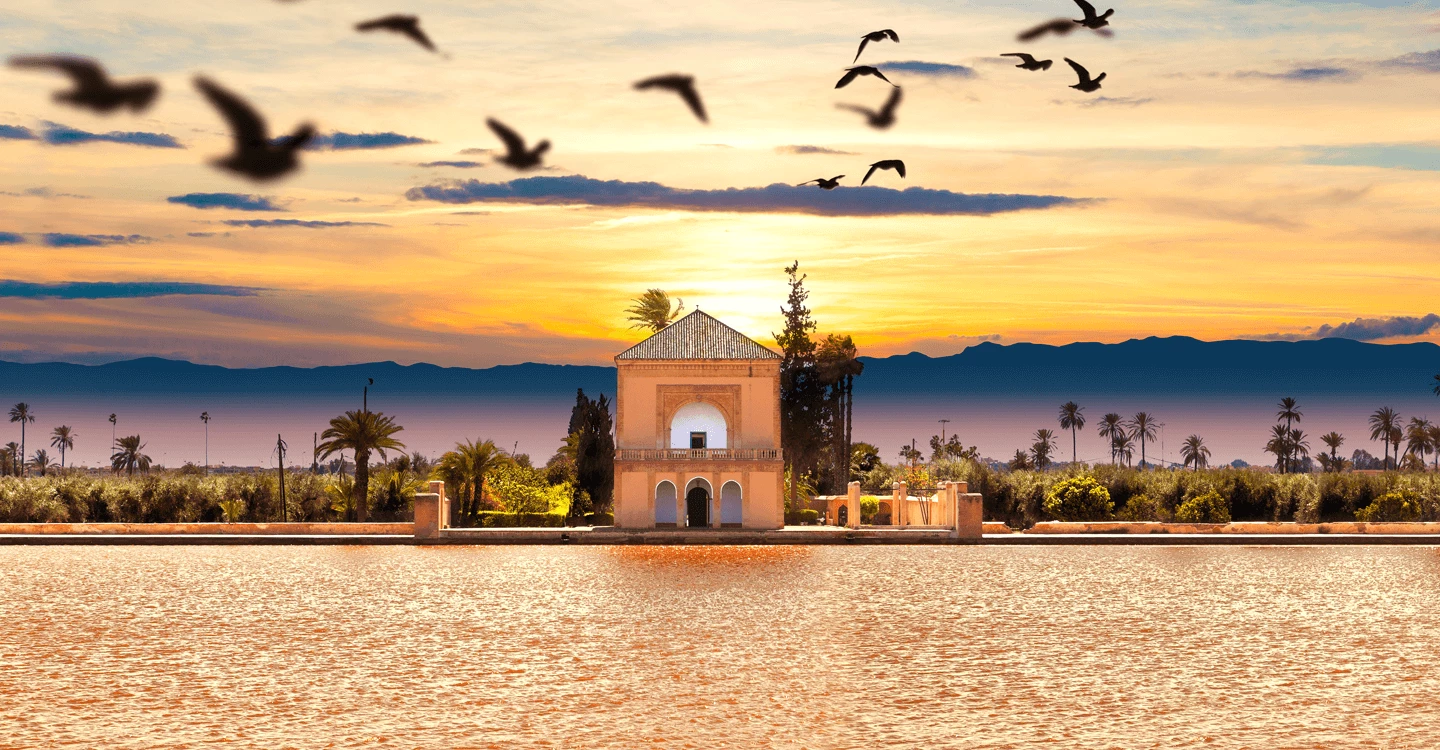
Marrakech is not just a destination; it is an emotion. It can be overwhelming, but it is undeniably enchanting. It is a place where the ancient world collides with the contemporary, where magic carpets seem plausible, and where every sunset over the Atlas Mountains feels like a private show.
Pack your bags, bring an empty suitcase for the rugs, and prepare to lose your heart to the Red City.